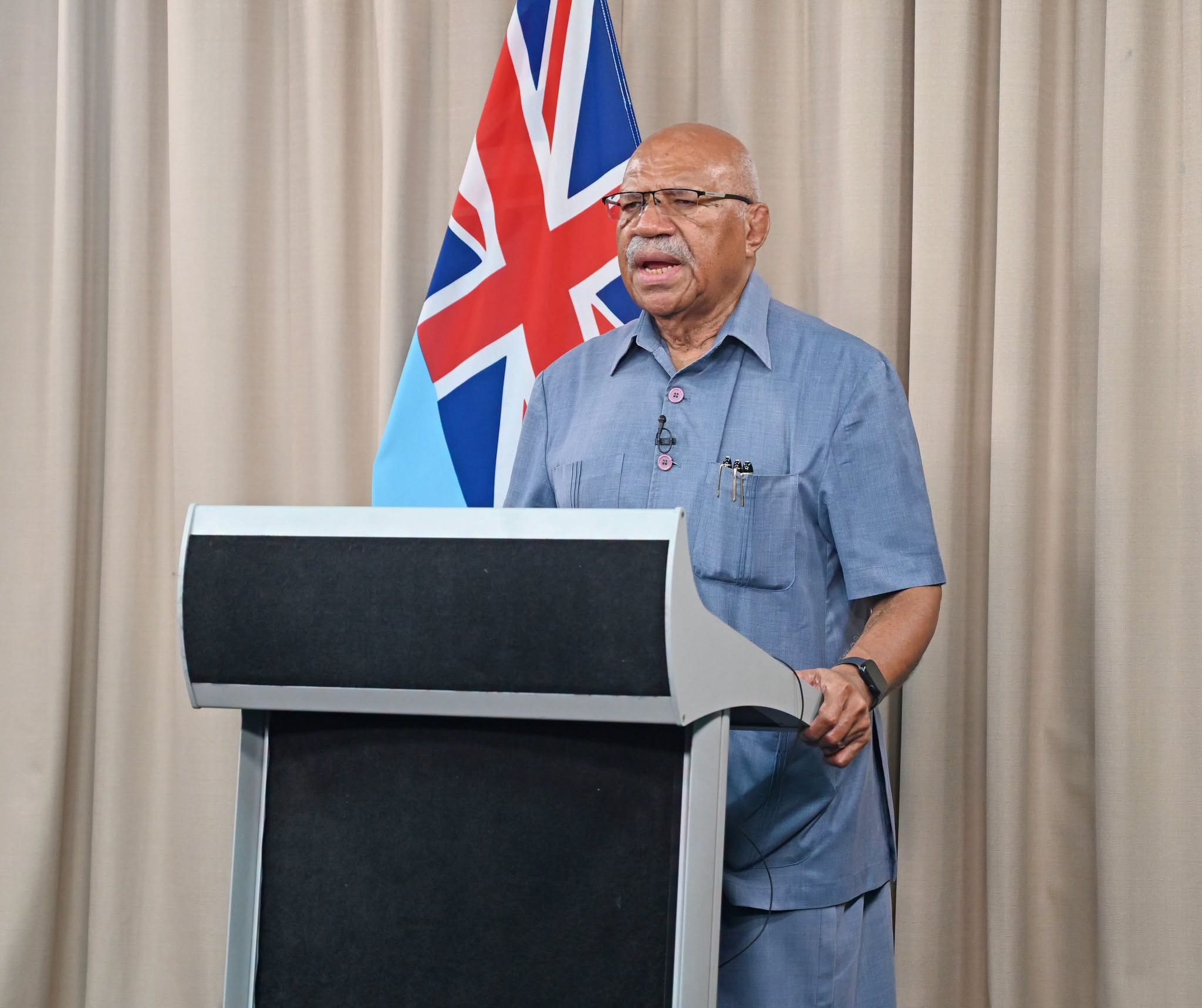
Fiji has declared a National State of Disaster for the entire country as the prolonged El Niño drought reaches crisis levels, with Government allocating $20 million (US$10 million) to intensify emergency water supplies and support affected communities, farmers and livestock owners.
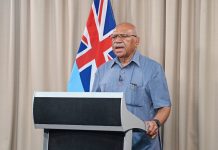
Prime Minister Sitiveni Rabuka announced Wednesday that Cabinet had approved the declaration under the National Disaster Risk Management Act 2024, following advice from the National Disaster Risk Management Council.
Rabuka said updated assessments confirmed that the crisis thresholds under the National El Niño Preparedness and Response Plan had been reached, requiring an escalation of the national response.
“Cabinet considered updated assessments confirming that the crisis thresholds under the Plan have been reached
“On the basis of these assessments and the Council’s advice, Cabinet approved the declaration to support an intensified national response,” Rabuka said.
The declaration covers the entire Fiji and will remain in force for a maximum of 30 days, in accordance with the legislation.
Cabinet can extend or revoke it on the advice of the National Disaster Risk Management Council.
Rabuka said the declaration would strengthen Government’s ability to mobilise resources, coordinate assistance and respond to growing hardship across the country.
He acknowledged increasing concerns over water shortages, prolonged dry conditions and their impact on households, agriculture and livestock, particularly in remote and maritime communities.
“I know that families across Fiji are concerned about the availability of water and the effects of prolonged dry conditions on their daily lives.
“Farmers are worried about their crops and livestock, while communities, particularly in remote and maritime areas, face growing pressure on their water supplies,” he said.
Government has already delivered more than two million litres of emergency water to affected maritime communities over the past month, while the Water Authority of Fiji has been supplying emergency water to affected communities on the mainland.
The Ministry of Agriculture, Waterways and Sugar Industry has also introduced six initiatives targeting emergency water and irrigation, livestock feed, climate-resilient planting materials, sugar sector drought protection, food security and sustainable agricultural practices.
The Ministry of Women, Children and Social Protection has increased monthly eTransport top-ups under the Transport Assistance Scheme for eligible older persons and people with disabilities to help meet rising transport costs.
Rabuka said the Government had allocated $20 million (US$10 million) through the redeployment of existing ministry funds to support the intensified response.
The funding will cover emergency water supplies, assistance to affected communities, support for farmers and livestock owners, and other urgent interventions.
The immediate priorities include ensuring access to safe drinking water, strengthening water carting operations, protecting public health and sanitation, and supporting affected livelihoods.
Remote and maritime communities, as well as people facing difficulties accessing essential services, will receive particular attention.
PM Rabuka urged households, businesses and communities to conserve water, repair leaking taps and keep stored water clean and covered.
He also warned against unnecessary burning, saying fires could spread quickly under the prevailing dry conditions and threaten homes, farms and communities.
Community leaders were urged to report emerging water shortages and other urgent needs through divisional administrations to help authorities verify requirements and coordinate assistance.
Rabuka said Government would continue working with development partners, humanitarian organisations, businesses, faith-based groups and community representatives to strengthen the response.
“We cannot control the climate, but we can act early, use our resources responsibly and stand together through its impacts,” he said.
He assured Fijians that Government would continue to lead the national response, provide public updates and direct assistance to communities according to assessed needs.
The National State of Disaster declaration formalises the escalation of Fiji’s response as the country faces worsening drought conditions linked to El Niño.