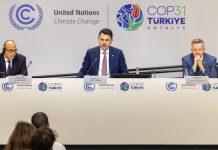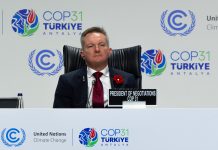

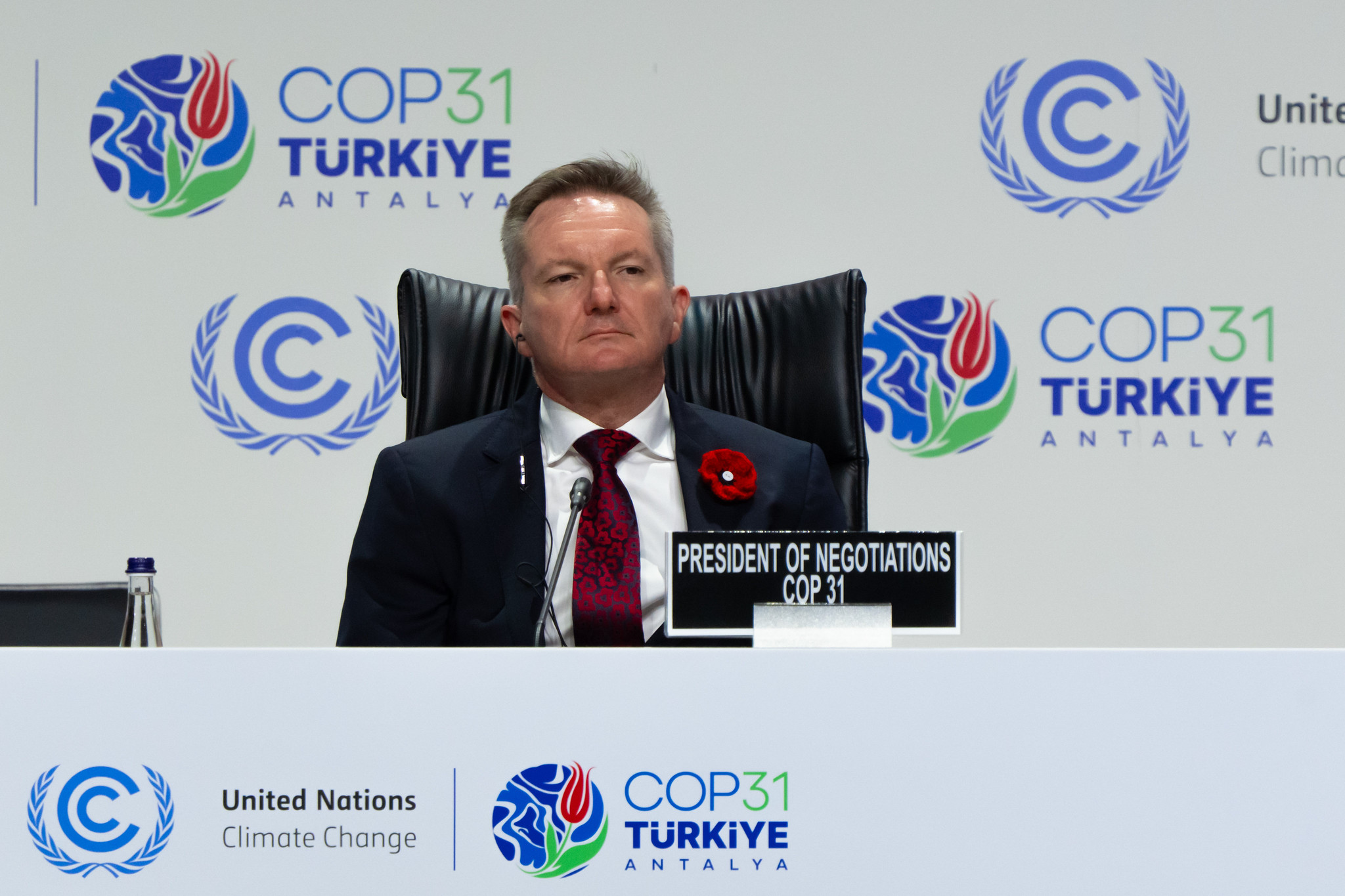
Australia’s Climate Change and Energy Minister Chris Bowen has called on countries to accelerate climate action, improve access to climate finance and strengthen adaptation as the United Nations climate negotiations opened in Türkiye.
Bowen said the world was already experiencing the impacts of climate change, with rising temperatures, extreme weather and intensifying El Niño conditions increasing risks to communities, economies and the environment.
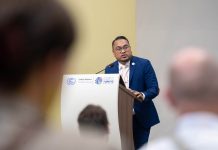
“Climate change is here. It is not a forecast. It is not a prediction. It is the lived reality for billions of people,” Bowen told delegates at the opening plenary of COP31 in Antalya.
He warned that the latest science showed the world would overshoot the 1.5-degree Celsius warming threshold but said it was still possible to return to that limit through urgent and collective action.
“We can still return if we work together and act with urgency, solidarity and resolve,” he said.
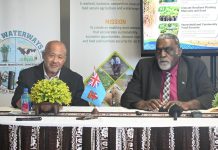
Bowen acknowledged the Pacific’s role in climate negotiations, recognising Fiji and Tuvalu for hosting the recent Pacific Pre-COP and representing countries that have contributed least to climate change but face some of its most severe consequences.
He said the message from the Pacific Pre-COP was clear: keep the 1.5-degree target within reach, accelerate climate action, improve access to finance and strengthen the resilience of communities, economies and oceans.
“Ensure no country faces climate impacts alone,” he said.
Bowen said climate impacts were already evident globally, from glacial collapse in Nepal and heat-related deaths in Europe to intensifying El Niño conditions.
He said every fraction of a degree of warming and every delay in action increased risks to lives, livelihoods and economic development while raising the cost of adaptation.
Despite the challenges, Bowen said progress had been made since the Paris Agreement, with global warming projections falling from nearly 4 degrees Celsius to about 2.6 degrees.
He said global renewable electricity generation had almost doubled since 2015, while investment in clean energy reached about US$2.2 trillion last year, nearly twice the investment in fossil fuels.
However, he said countries needed to move faster in deploying proven clean energy technologies.
Bowen identified electrification as a major priority, calling for electricity’s share of global final energy consumption to increase to 35 per cent by 2035.
He said accelerating electrification through renewable energy, modern electricity grids and energy storage would reduce emissions, strengthen energy security and protect households from volatile energy prices.
Access to climate finance was another major priority, particularly for small island developing states (SIDS) and least developed countries.
“Too many countries with credible energy transition and adaptation plans can’t access finance at the speed, scale or terms required to put those plans into action,” Bowen said.
“The countries that need climate finance the most are getting it the least.”
He said Australia had launched an Access to Finance Statement and Action Plan for SIDS and least developed countries at the Pacific Pre-COP, aimed at making climate finance faster and simpler to access.
Bowen said countries needed stronger project pipelines, greater mobilisation of public and private investment and faster delivery of funding to communities facing climate impacts.
“Finance must be disbursed faster. More simply. And more fairly,” he said.
He also called for stronger adaptation measures, including resilient infrastructure, early-warning systems and institutions capable of helping countries prepare for and recover from climate-related disasters.
Bowen said COP31 had more than 160 agenda items and 60 substantive negotiation mandates, covering issues including just transition, emissions reduction, adaptation, climate finance and international cooperation.
He also announced that Australia and Türkiye would pursue a Presidency-initiated but Party-driven decision at COP31, designed to provide a practical response to the climate challenge without duplicating existing negotiations.
The proposed decision would recognise progress, address implementation challenges and accelerate practical solutions to keep 1.5 degrees within reach.
Bowen said the outcome must be developed through consultation and reflect the priorities and national circumstances of participating countries.
“No country can achieve this alone. But together we can and we must,” he said.
He urged delegates to demonstrate that international cooperation could deliver meaningful progress on climate action.
“Let’s show the world that multilateralism works,” Bowen said.