
Samoa has defended its media freedom record at the United Nations, insisting it remains committed to protecting independent journalism after 10 countries raised concerns over restrictions on media outlets, unequal access to government information and threats against journalists.
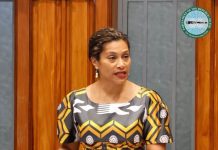
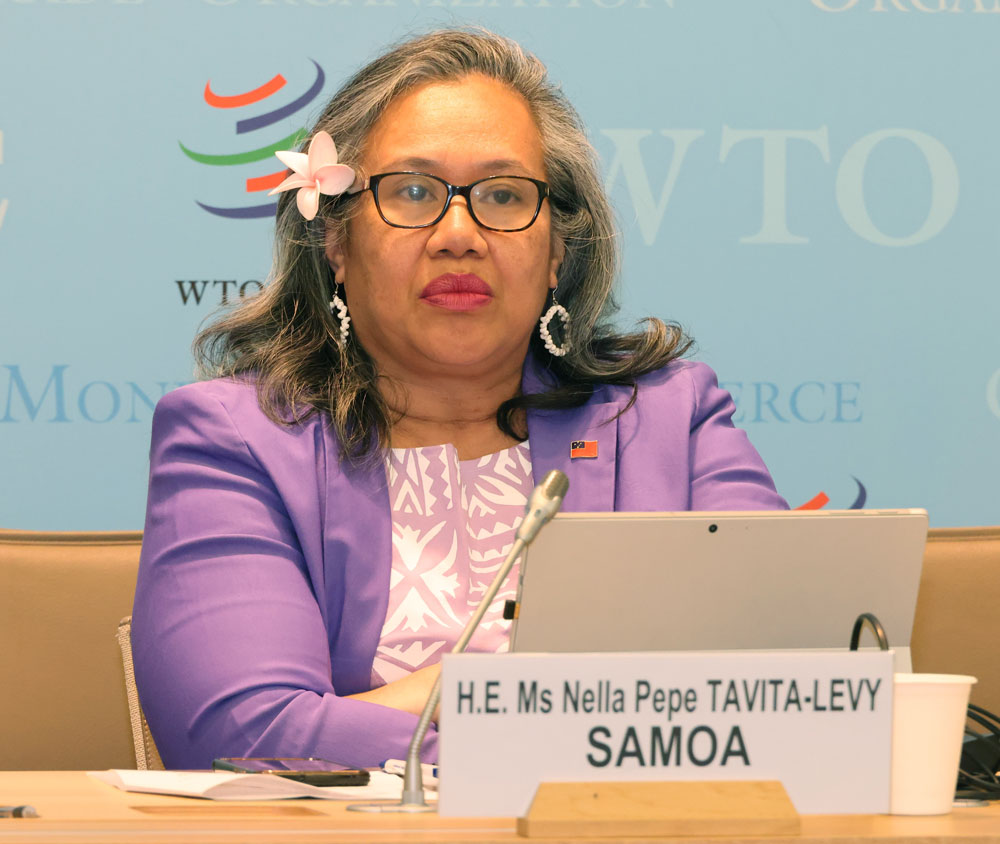
Responding to criticism at the UN Human Rights Council’s Universal Periodic Review (UPR), Samoa’s representative Nella Pepe Tavita-Levy said the government remained committed to freedom of expression, access to information and media freedom under the Constitution and its international human rights obligations.
“Samoa remains committed to protecting freedom of expression, access to information, and media freedom in accordance with the Constitution and its international human rights obligations,” Tavita-Levy said.
She said Article 13 of Samoa’s Constitution protected freedom of speech and expression, enabling people to exchange ideas, debate public affairs and participate in decisions affecting their lives.
“The government recognises the important role of the media in promoting transparency, accountability, and public participation,” she said.
Her response followed recommendations from 10 countries calling on Samoa to strengthen protections for journalists, ensure independent media could operate without undue restrictions and guarantee equal access to government information.
The countries raising concerns included Pacific Islands Forum members Australia and New Zealand, as well as Forum dialogue partners the United Kingdom, South Korea, Canada and France.
The Netherlands, Switzerland, Germany and Brazil also raised concerns about media independence, access to public information and the protection of journalists.
New Zealand urged Samoa to remove restrictions preventing media outlets from operating independently.
“Ensure a safe and enabling environment for independent media and journalists by removing bans on media,” New Zealand representative Deborah Mary Geels said.
Australia called on Samoa to uphold freedom of expression as protected under its Constitution, including for independent media.
“Uphold freedom of expression as protected by the Samoan Constitution, including for independent media,” said Emily Roper, Australia representative.
South Korea urged the government to take effective measures to safeguard media freedom, particularly by investigating allegations of threats, intimidation or violence against journalists.
It called for “prompt and impartial investigations into all allegations of threats, intimidation, or violence against journalists”.
The United Kingdom raised concerns about Samoa’s declining position in the 2026 World Press Freedom Index and called for journalists and media organisations to operate independently and without undue restrictions.
“Regarding media freedom and the decline in Samoa’s ranking in the 2026 World Press Freedom Index, underscoring the importance of protecting independent journalism and freedom of expression.
The UK recommends Samoa … Safeguards freedom of expression by ensuring journalists and media organisations can operate independently and without undue restrictions,” said UK representative Rhiannon Woolford.
Canada recommended that Samoa address criminal defamation and protect the independence of media and journalists.
“Canada recommends that Samoa address criminal defamation, protect the independence of media and journalists in order to fully ensure free speech,” said representative Anne-Gabrielle Ducharme.
Switzerland called for legislation guaranteeing journalists and the public access to government-held information, subject to clearly defined and legitimate restrictions.
“Media environment, including equal and non-discriminatory access to government information and press conference for all media outlets,” said representative Charlotte Krislen.
Germany also raised concerns about developments affecting independent media reporting and urged Samoa to ensure equal and non-discriminatory access to government information.
“Germany noticed concerning developments regarding independent media reporting as well as freedom of religion and belief. Therefore, Germany recommends to: First, uphold freedom of opinion and expression by ensuring equal and non-discriminatory media access to government information, including by revising the draft government media protocol,” said representative Christopher Czibere.
The Netherlands called for equal access to government information and press conferences for all media outlets, while France urged stronger protections for press freedom and freedom of speech.
Brazil encouraged Samoa to adopt policies ensuring equitable access to government information for journalists and human rights defenders.
“We encourage Samoa to adopt policies ensuring equitable access to government information for journalists and human rights defenders, said representative Bruno Razente.
In response to concerns about access to information, Tavita-Levy said the government continued to provide official information through various channels to support fair and equal access for media organisations.
The recommendations made during the UPR dialogue are not automatically binding, and Samoa will indicate which recommendations it accepts.
The outcome of Samoa’s review is scheduled for adoption on 13 November 2026.
The Universal Periodic Review is a UN Human Rights Council process that examines the human rights records of all UN member states and allows countries to make recommendations on areas requiring improvement.