
Commonwealth leaders have warned that Pacific countries face growing climate threats from an emerging El Niño, calling for accessible climate finance and greater investment in resilience as vulnerable nations struggle with the impacts of global warming.
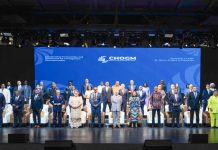
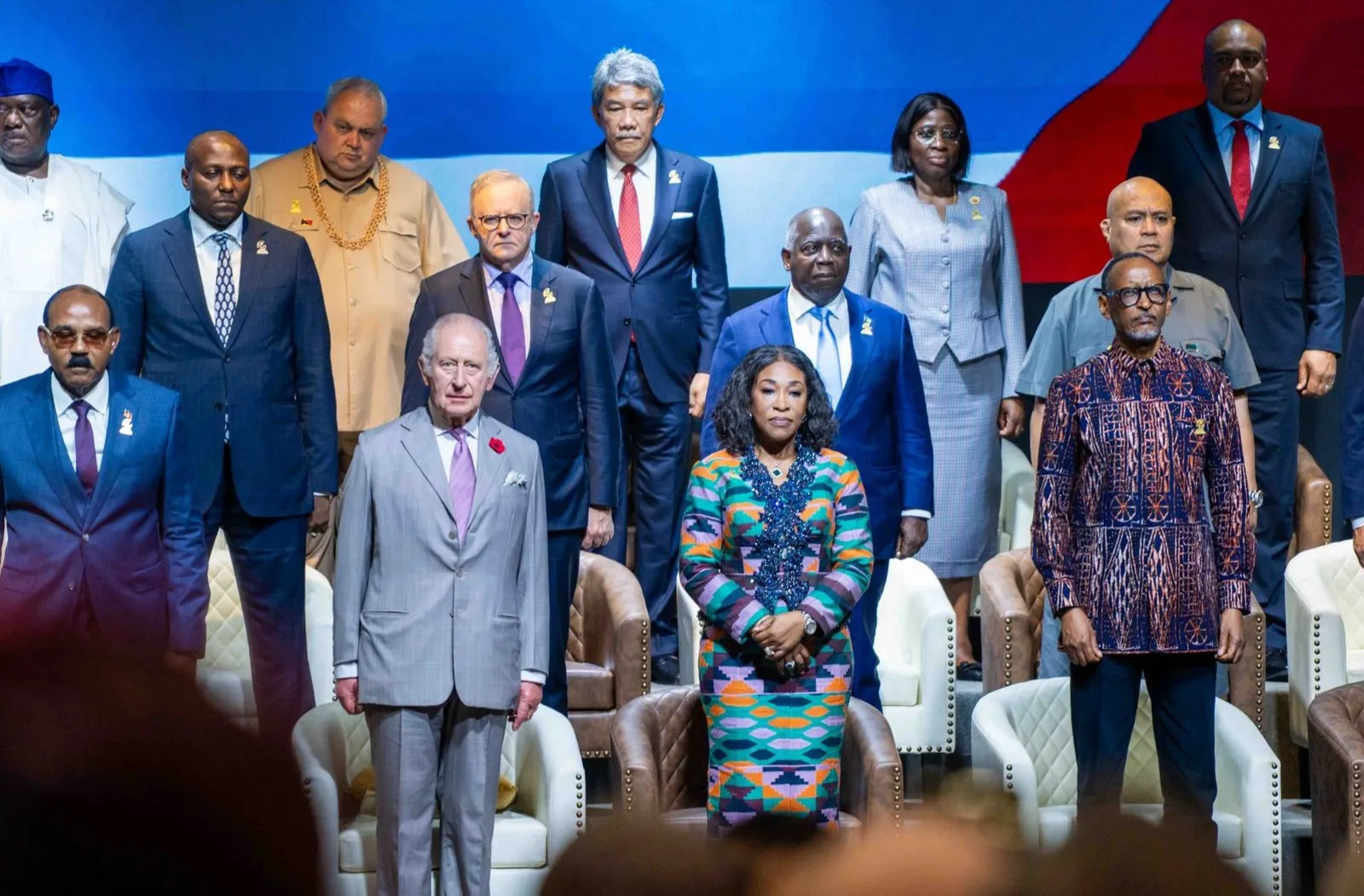
Commonwealth Secretary-General Shirley Botchwey, King Charles III and Samoa’s deputy Prime Minister Mulipola Anarosa Ale-Molio’o highlighted the urgency of climate action at the opening of the 2026 Commonwealth Heads of Government Meeting (CHOGM) in Antigua and Barbuda.
Botchwey warned that the developing El Niño in the Pacific could intensify climate-related disasters across an already warming world, with the greatest impacts falling on countries that contributed least to climate change.
“Once again those who did the least to cause climate change stand to lose most from its shocks,” she said.
She said the Commonwealth was working with the private sector to mobilise financing for renewable energy, climate resilience and disaster recovery.
The proposed measures include new credit facilities to support renewable energy investments, partnerships with insurers to speed up disaster payouts and a Commonwealth Nature Initiative to restore degraded habitats.
Botchwey said faster insurance payments were particularly important for vulnerable families whose livelihoods depended on fishing and other climate-sensitive activities.
King Charles III told Commonwealth leaders that climate change was no longer a future threat but a crisis already affecting communities and economies.
‘Climate change is no longer just a terrifying prospect, but a catastrophic reality which threatens our very way of life,” King Charles said.
He warned that natural systems were collapsing and said climate change, environmental degradation and unequal access to opportunities represented the greatest challenges facing the Commonwealth.
The King said the Commonwealth had an important role in bringing together governments, businesses, institutions and communities to address these challenges.
He called for greater investment in renewable energy, resilient infrastructure, sustainable agriculture, agroforestry, food systems and the protection of oceans and forests.
“Large Ocean States have contributed little to the causes of climate change and yet they are among those bearing the greatest cost,” he said.
King Charles also backed the need to mobilise climate finance through private sector investment supported by public financing, saying nature protection was essential to economic security and prosperity.
He welcomed proposals presented by Botchwey, including the Commonwealth Nature Initiative, a Commonwealth-backed mutual insurance mechanism for rapid disaster payouts and a proposed Commonwealth Net Zero Fund to improve access to credit for renewable energy.
Speaking as outgoing Commonwealth Chair-in-Office, Samoa’s deputy Prime Minister Mulipola Anarosa Ale-Molio’o said the world was already moving beyond the critical 1.5 degrees Celsius warming threshold, with vulnerable countries facing permanent losses.
“The world is already pushing past the critical 1.5°C degree threshold. Many nations and communities are facing permanent losses, but overshoot must not become an excuse for delayed admission or inaction,” she said.
She urged the Commonwealth to take account of calls made during the recent Pacific Pre-COP31 discussions in Fiji and Tuvalu.
Mulipola said climate finance needed to be accessible and predictable to help vulnerable countries move from commitments to practical action.
“Accessible and predictable climate finance is the bridge between ambition and action. No nation should have to borrow its way out of a crisis it did so little to create,” she said.
Beyond climate action, Botchwey announced that Commonwealth member countries had submitted bankable investment projects worth US$52 billion, with leaders being connected directly with investors during the meeting.
The Commonwealth also plans to hold a trade and investment conference next year to bring together trade, finance and investment ministers and business leaders to reduce trade barriers and advance its target of US$2 trillion in intra-Commonwealth trade.
Botchwey said the organisation was also working towards reforms to international debt treatment and concessional financing arrangements, which continue to constrain developing countries.
She said the success of the meeting would be measured by practical outcomes for people across the Commonwealth.
“Our people will judge this meeting by what it delivers for them,” she said.
The 2026 CHOGM brings together leaders from 56 Commonwealth countries representing about 2.7 billion people to discuss economic cooperation, climate resilience, trade and development.