

New Zealand has abstained from voting on a United Nations General Assembly political declaration on pandemic prevention, preparedness and response, citing concerns over national sovereignty and its position on international health agreements.
New Zealand Permanent Representative to the United Nations Victoria Hallum said the country supported efforts to strengthen global health systems and improve preparedness for future pandemics but could not support parts of the declaration.
In an explanation of vote, Hallum said New Zealand objected to paragraph one, which welcomes the adoption of the World Health Organisation’s Pandemic Agreement and the 2024 amendments to the International Health Regulations.
“It is very important to New Zealand that its sovereign decision making on health is protected,” Hallum said.
She said New Zealand did not support language welcoming the adoption of the Pandemic Agreement, noting that any decision to sign and ratify the agreement would be subject to a full National Interest Test under domestic procedures.
New Zealand had also rejected the 2024 amendments to the International Health Regulations 2005, saying it was not currently in a position to accept them.
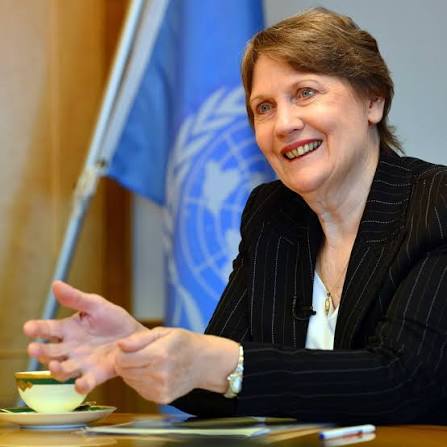
The declaration was adopted by the General Assembly with 153 votes in favour, three against and two abstentions, according to former New Zealand Prime Minister Helen Clark.
Clark criticised New Zealand’s abstention in a post on X, linking the decision to the political influence of New Zealand First and its appeal to anti-vaccination voters.
“How low can NZ go?” Clark wrote, describing the outcome as “Humiliating for NZ”.
Her comments contrasted with the Government’s explanation that its position was based on protecting national decision-making over health policy and its objections to specific language in the declaration.
New Zealand thanked the permanent representatives of Armenia and Rwanda, who led efforts to present the declaration, and asked that its explanation of vote be included in the official meeting record.
The declaration seeks to strengthen national, regional and international cooperation on pandemic prevention, preparedness and response. As a political declaration, it sets out commitments and priorities but is not legally binding.