

By PACNEWS Editor Makereta Komai in Minamata, Japan
A local Japanese newspaper is looking back at 70 years of the Minamata mercury poisoning tragedy to remind people of the importance of speaking up and reporting the truth.
The Kumamoto Nichinichi Shimbun newspaper is revisiting its archives and publishing stories from the past to remember one of Japan’s worst industrial pollution disasters.
The newspaper says the tragedy is also a reminder of what can happen when the concerns of local communities are not heard early enough.
The Minamata disease was caused by methylmercury released into the sea by the Chiso Corporation factory. The pollution affected fishing families living around Minamata Bay, on the southern island of Kyushu, many of whom suffered serious health problems after eating contaminated seafood.
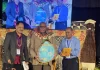
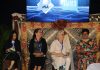
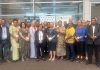
During a dialogue with five visiting journalists from the Pacific and Caribbean, local journalists reflected on what the media could have done differently.
They agreed that the media has a responsibility to listen to communities, investigate their concerns and ask questions of companies and authorities.
The visiting journalists also met with someone who witnessed the Minamata disease outbreak firsthand. Rimiko Yoshinaga, who was just a small child at the time, said that one of the biggest lessons from Minamata was the need to listen to people and recognise the warning signs early.
“If you see early signs, report it. If you observe something is not right and people are getting sick, investigate and report, said Yoshinaga.
Early reporting on the disease was limited, and some media coverage repeated theories that shifted blame away from the factory. Over time, journalists began reporting more openly on the suffering of affected families and the responsibility of the company.
Research by academic Naoki Kobayashi examined the media’s complex role in the tragedy, including how early reporting sometimes favoured corporate interests before later coverage exposed the human cost of the pollution.
The story eventually reached an international audience through American photojournalist Eugene Smith and his partner, Aileen Mioko Smith. Their photographs, published in Life magazine in 1972, included the famous image Tomoko and Mother in the Bath, showing the devastating effects of Minamata disease on the girl and her family.
Their work helped bring international attention to the suffering of the victims.
For the Pacific and Caribbean journalists, visiting Minamata raised an important question: What can their regions’ media learn from the disaster?
The lesson is clear: journalists must listen to the people, follow the evidence and investigate warning signs before a problem becomes a disaster.
For Pacific Island countries, this is particularly important when communities raise concerns about pollution, mining, fishing, logging, climate change or other activities that may affect their health, land and livelihoods.
Journalists must not wait until people are seriously affected before asking questions.
They also need to question powerful companies and authorities, check claims carefully and give affected communities a voice.
Minamata shows that when reporting comes too late, the human cost can be devastating. But it also shows how strong journalism can help expose wrongdoing, bring suffering to public attention and push for accountability.
Seventy years on, the message for Pacific media remains relevant: listen to the people, investigate early and speak up for communities whose voices might otherwise go unheard.