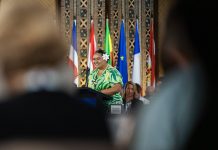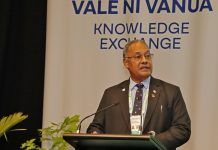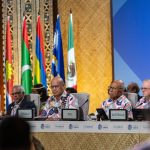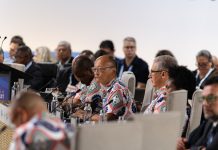
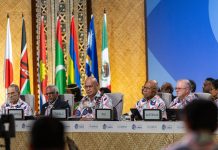

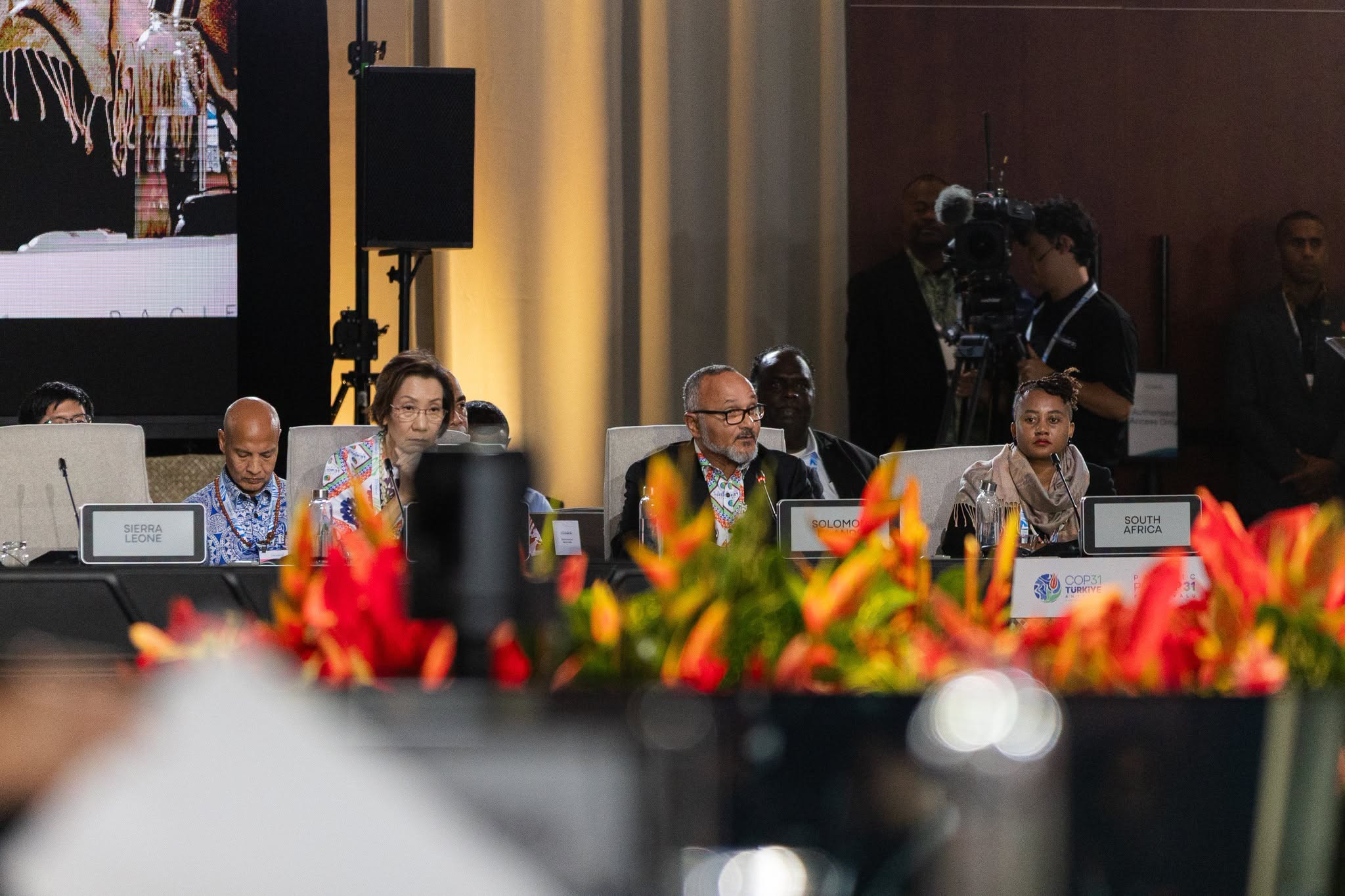
Solomon Islands Prime Minister Matthew Wale has warned that COP31 must deliver concrete action on emissions and climate finance, saying 31 years of climate negotiations have failed to protect Pacific communities facing rising seas and extreme weather.
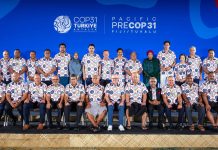
Speaking at the Pacific Pre-COP31 Leaders Plenary in Denarau, Wale said his visit to Tuvalu had brought home the personal impact of sea-level rise on his own people in Solomon Islands.
“Tuvalu was not just a sight visit for me on its shorelines. I saw the story of my own saltwater people of the Solomon Islands
“My own people have lost my house to sea level rise. My grandfather has lost his house to sea level rise. My daughter has lost her house to sea level rise.
“It’s very personal,” Wale said.
Wale said about three-quarters of his electorate could be under water within 30 years if current trends continued.
He said the Pacific had been warning the world about climate change for decades, but action had not matched the scale of the crisis.
“We have been negotiating for 31 years.
“COP31 will be the 10th COP since Paris. Yet the latest science confirms we are on track to overshoot 1.5 degrees Celsius.
“Our actions have lacked the decisiveness and ambition the moment and crisis demand. We have a deficit of climate action,” he said.
Wale said major emitters must make deep, economy-wide emissions cuts immediately and warned that COP31 in Türkiye could not become another round of negotiations without delivery.
“31 years of talks and 10 years of Paris have not delivered its core goal and COP31 cannot be another talk fest.
“It is absurd, totally absurd, that the road to modernisation and industrialisation is that you have a licence to ruin the atmosphere and kill people,” he said.
He called on G7 countries to increase their ambition in line with their historical responsibility under the UN climate convention, while urging BRICS countries and major emerging economies to lead on emissions reductions.
Wale also criticised continued fossil fuel subsidies, citing International Monetary Fund (IMF) estimates that they total US$7.43 trillion.
“It’s criminal, it’s immoral,” he said.
On climate finance, Wale said the current global architecture was failing to direct adequate funding to countries most vulnerable to climate change.
“The shortfall in what reaches us is not because the world lacks money. It is because it lacks the political will,” he said.
He said global military spending had reached almost US$3 trillion last year, while official development assistance had fallen sharply.
Wale called for the Multidimensional Vulnerability Index(MVI) to be used by development partners, multilateral development banks and climate funds when determining access to development and climate finance.
“Finance must follow vulnerability,” he said.
He said climate finance should be grant-based, demand-driven and flexible, while countries unable to avoid borrowing should receive the most concessional terms based on their vulnerability.
Wale also called for greater transparency around climate finance pledges, including published disbursement timelines and independent tracking of commitments against actual delivery.
“We must move away from delayed pledges that draw applause in meeting rooms and make headlines.
“We need clear mechanisms that hold partners to their commitments,” he said.
Wale welcomed the Taku Pakasoa Declaration but said Pacific leaders needed to strengthen key sections of the text before COP31.
“We welcome an ambitious declaration, but after 1.5 degrees threshold phases and immediate overshoot, ambition must mean action.
“To move from pledges to real-world survival, we must urgently sharpen paragraphs 6, 8 and 11 of the declaration. As it is, I find it hard to sign on to,” he said.
He called for stronger nationally determined contributions, a faster transition to clean energy and greater accountability in climate finance.
“Words of sympathy will not save our islands,” Wale said.
He said the road to COP31 in Antalya must deliver structural accountability, direct climate finance and a stronger link between ocean and climate action.