

The Fiji Electoral Commission has adopted new campaign limitation rules restricting the use of State resources and government premises for election campaigning ahead of the General Election.
The Campaign Limitations Rules 2026 were adopted on 24 September under Section 155(1) of the Electoral Act 2014 and will come into effect on 20 October.
The rules set out what political parties, candidates, Members of Parliament and other electoral participants can and cannot do during the campaign period.
A key provision prohibits the use of State or Government resources for campaign purposes.
This includes state-funded equipment, communication networks, transport and shipping services, and Government premises, unless their use is specifically permitted under the Electoral Act or the new rules.
The rules also separate official government duties from campaign activities.
MPs carrying out parliamentary or ministerial duties, and anyone acting on their behalf, must not use those duties to communicate campaign messages.
Communications during the campaign period highlighting the achievements or failures of an MP or political party during the current parliamentary term will generally be treated as campaign messages unless proven otherwise.
However, factual information provided as part of an official statutory, parliamentary, ministerial, emergency or public safety function may be permitted if it contains no direct or indirect election-related message.
The rules also apply to Personal Staff Officers and Executive Support Officers working for MPs, who are considered public servants for these purposes.
The Electoral Commission said campaign messages delivered by such officers would not be exempt under the Electoral Act.
The rules further prohibit MPs, political parties, candidates and anyone acting on their behalf from using State resources in activities connected to campaigning.
Where government-owned resources or services are available to the public for a fee, including printing, freight, transport and venue hire, political parties and candidates must pay the same fee charged to members of the public.
The rules also identify locations where campaigning and the placement of campaign materials are prohibited.
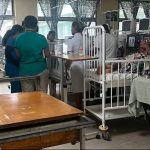
These include public libraries, childcare and early childhood facilities, hospitals, aged care facilities, prisons and detention facilities and public offices.
The restrictions apply to the premises and surrounding grounds up to the boundary, including designated car parks.
Campaigning is also prohibited while public servants or MPs are carrying out their official duties.
The Supervisor of Elections may designate public places where campaign materials can be placed under Section 112(3) of the Electoral Act.
The Commission said the rules are intended to provide clearer guidance and support a level playing field for participants in the electoral process.
Political parties have been given 21 days from 29 September to familiarise themselves with the rules before they take effect.
The Commission has urged political parties, candidates, MPs and others involved in campaigning to understand and comply with the new requirements.