Pacific solidarity remains our greatest strength and most effective tool for influencing outcomes at the upcoming 31st Conference of the Parties to the UN Framework Convention on Climate Change (UNFCCC) in Antalya, Türkiye.
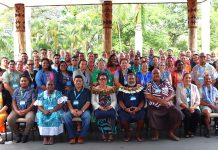
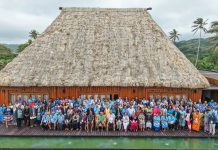
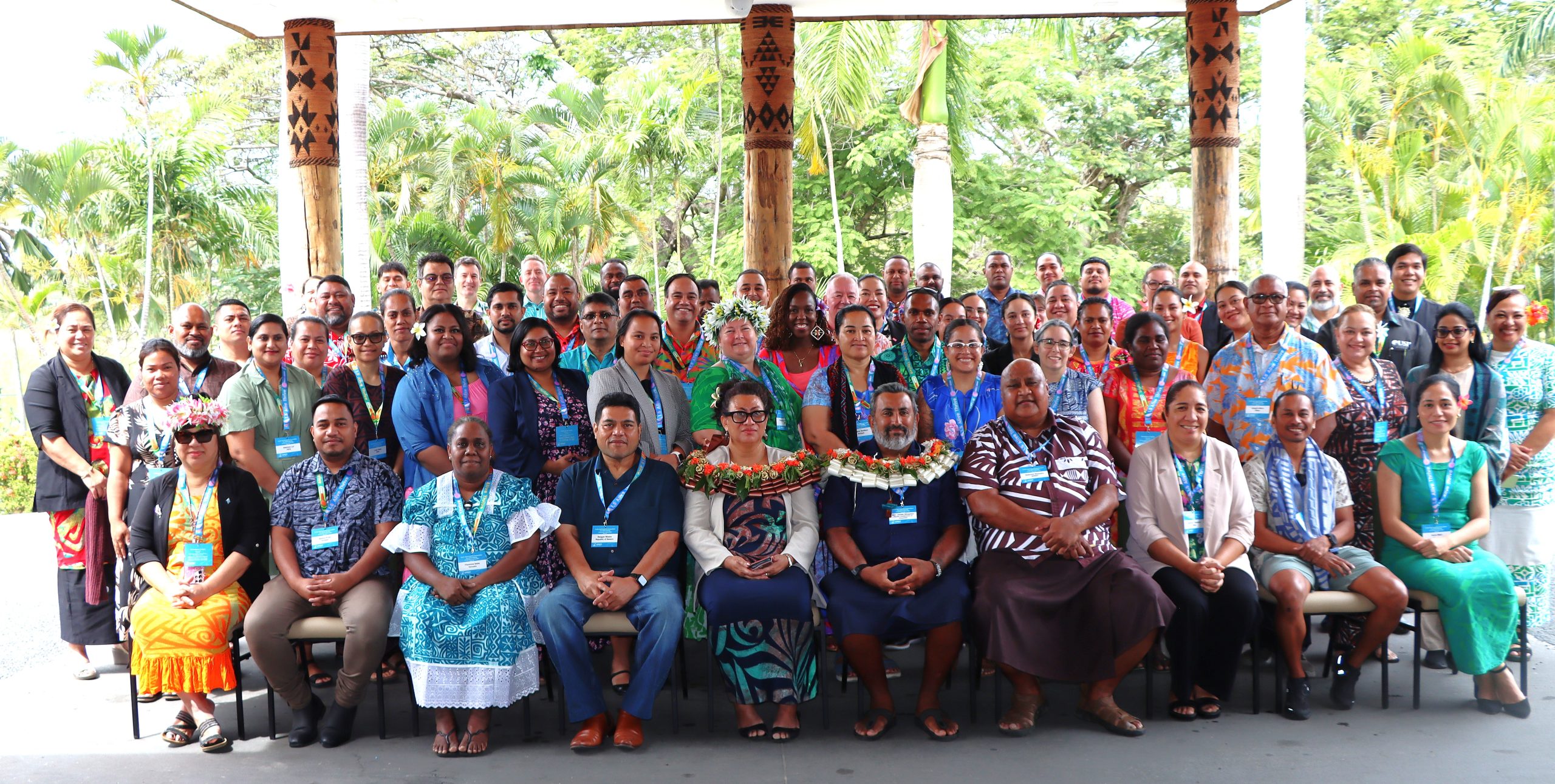
That’s the spirit with which Pacific Small Island Developing States (PSIDS) have gathered in Nadi this week to strategise and finalise their plans a month out from COP31 in Türkiye, from 9-20 November 2026.
“Our message is simple. Follow the science, keep 1.5 alive to ensure that our world will thrive, accelerate implementation, and deliver the finance and support needed by vulnerable countries like SIDS and LDCs,” said Director General of the Secretariat of the Pacific Regional Environment Programme (SPREP), Sefanaia Nawadra.
Director General Nawadra welcomed delegates to the Pacific Small Island Developing States (PSIDS) pre-COP31 meeting at the Tanoa International Hotel in Nadi on Wednesday, the first in a series of meetings taking place in Fiji over the next two weeks to ensure the survival of Pacific communities, against the harmful impacts of climate change.
The pre-COP31 gatherings are taking place as global temperature rise is set to cross 1.5°C, likely within the next few years, pushing climate risks and impacts to increasingly dangerous heights, according to a new UN Environment Programme (UNEP) report titled Limiting Overshoot.
The report identifies an ‘overshoot, peak, and decline’ pathway as the best remaining option to minimise the magnitude and duration of this overshoot and try to return to below 1.5°C as soon as possible.
“The Pacific enters COP31 from the frontline of the climate crisis, where climate change is not a future risk but a present reality affecting communities, economies, ecosystems and cultures,” said Nawadra.
“SIDS overall must remain united in defending the integrity of the science under the IPCC and maintain the 1.5⁰C temperature goal, it is the global temperature goal that speaks to our survival.”
Director General Nawadra acknowledged that the work ahead for negotiators and all officials will not be easy.
“But I encourage you to remain strong and know that you are going with the blessings of our people, your communities and our countries,” he reminded. “Remember your why, remember you are there to represent our elders, our children, our villages and communities. You are carrying the hopes of our people with you.”
Fiji Director of Climate Change, Senivasa Waqairamasi highlighted the opportunity in Fiji in the next two wees to place Pacific priorities at the very heart of global climate change negotiations.
“By no means will this be an easy task, as we will continue to encounter the same challenges we faced in the lead up to and during COP30 and will likely have to navigate our way through a whole new host of challenges,” she said.
“This meeting is a chance for us to make certain our needs and views are incorporated into the relevant COP31 decisions.”
One of these should be how to deal with the imminent threat of 1.5 Overshoot as outlined in the recently released UNEP Report, Waqairamasi noted.
“I hope we can use this meeting to mobilise our expert negotiators to discuss, reflect and share ideas on how to chart the path towards Antalya and to lay a platform for our Ministers, Political Climate Champions and Leaders to advance,” she said.
“Our work over the next three days will be an excellent opportunity to land our approach to the COP31 negotiations and give ourselves every chance to ensure our voice will be heard and our priorities will be met at COP31.”
The PSIDS pre-COP31 was blessed by Reverend James Bhagwan, General Secretary of the Pacific Conference of Churches.
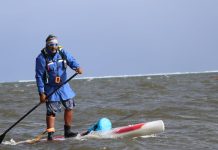
Reverend Bhagwan and a co-paddler have recently completed the Paddle for Hope, a stand-up paddle around Viti Levu against single-use plastic.
“I have spent the last few weeks on a paddleboard around Viti Levu. On a stand-up paddleboard there are only two ways to be: you stand, or you kneel.
“In the hardest moments, upwind in 20 knots with gusts of 25 to 30, we ended up on our knees, literally and figuratively: kneeling and paddling, kneeling and praying.
“And there we saw God’s grace through other members of God’s household: a turtle popping up beside our boards, brown boobies hovering low over us. On our knees, we were not alone.
“Stand or kneel, but never sit down. That is the life of faith, and it is this work too,” he said.