
Pacific Small Island Developing States (PSIDS) are calling for continued progress towards an ambitious, effective and implementable international legally binding instrument to end plastic pollution, as Heads of Delegation meet in Bangkok this week for the second informal in-person meeting of the Intergovernmental Negotiating Committee on Plastic Pollution (INC).
The Bangkok meeting, taking place from 27–30 September 2026 at the United Nations Conference Centre, aims to deepen understanding among Members, identify areas of common ground and provide direction for the next iteration of the Chair’s Aid to Negotiations.
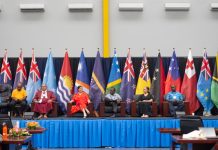
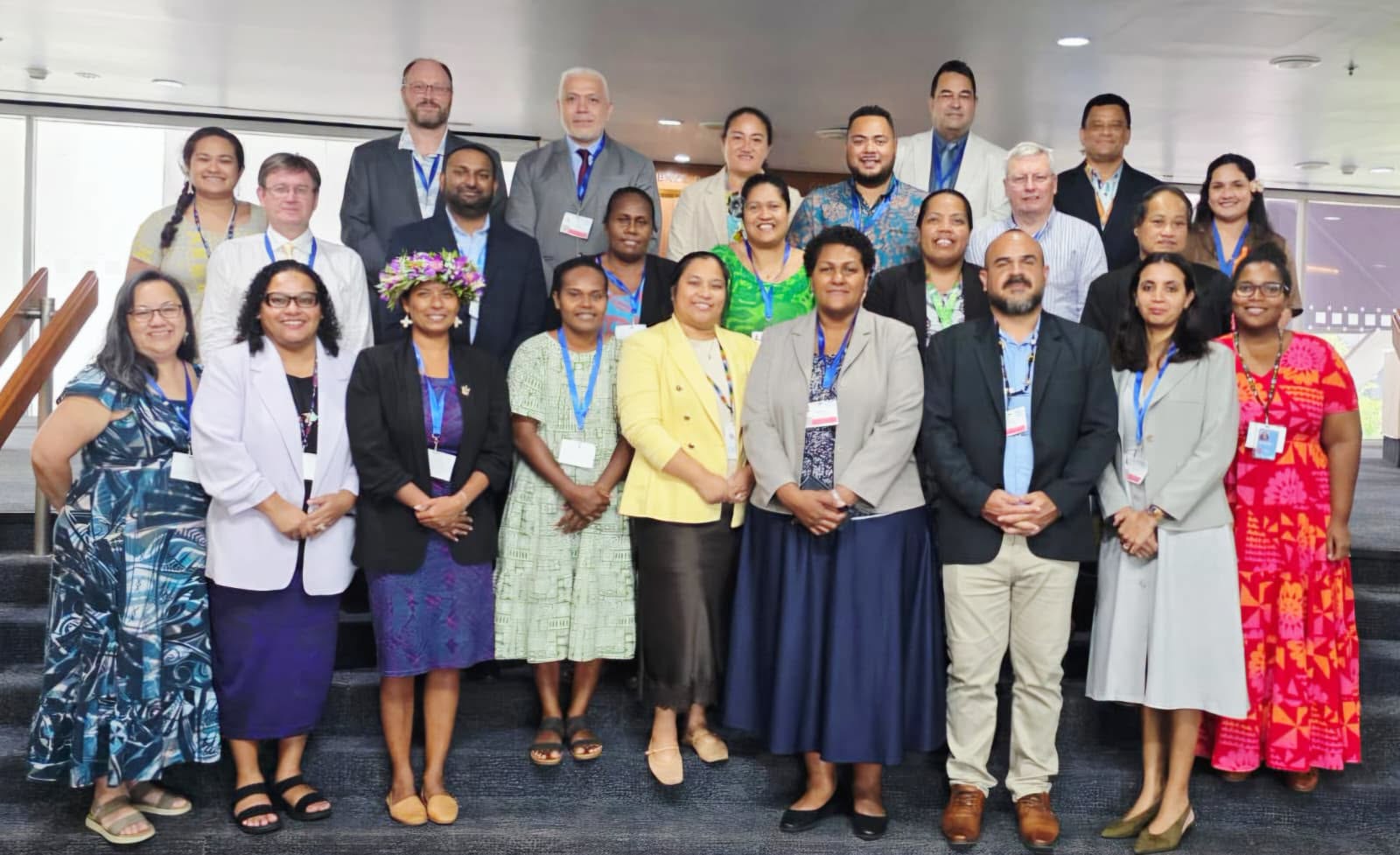
Representing the collective voice of 14 Pacific Small Island Developing States, the PSIDS opening statement welcomed the spirit of Samakkhi, unity and harmony, and the opportunity for countries to build on lessons from the Heads of Delegation meeting held in Nairobi in June and July this year.
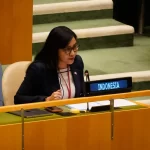
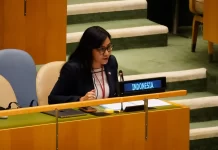
As current PSIDS Chair, Fiji delivered the Pacific group’s opening statement, highlighting several issues that remain critical to ensuring the future treaty responds to the realities of Pacific countries.
“The full lifecycle approach must be protected and more clearly reflect sustainable production and consumption. Human health and the protection of vulnerable communities remains insufficiently reflected. Stronger pathways are needed to adopt and amend annexes so the instrument can respond to problematic products and chemicals of concern over time,” said Seinimili Nakora, Director of Environment for Fiji’s Ministry of Environment and Climate Change.
The Pacific also called for stronger provisions on national action plans, reporting and effectiveness evaluation, as well as clearer treatment of releases and leakages, the waste hierarchy, means of implementation, remediation of existing plastic pollution and the special circumstances of small island developing States (SIDS) and Least Developed Countries.
These issues are particularly significant for Pacific countries, where plastic pollution affects interconnected marine and terrestrial environments, coastal communities, livelihoods and economies.
“Recognising the disproportionate impacts of plastic pollution places on our economies, environments and communities remains central to the Pacific’s engagement in the negotiations,” Nakora said.
The Pacific has remained actively engaged throughout the global plastics treaty process. At the informal Heads of Delegation meeting in Nairobi, Fiji served as Co-Facilitator for Cluster C on Means of Implementation, alongside Austria.
The cluster focuses on finance, capacity building, technical assistance, technology transfer and international cooperation.
Fiji will continue in this role in Bangkok.
“We recognise that a global challenge requires a global response. But that response must be ambitious, practical and responsive to the particular circumstances of our Small Island Developing States. A strong treaty must be matched by the means to implement it, particularly through finance, capacity building, technical assistance and technology transfer,” said Anthony Talouli, Director of Waste Management and Pollution Control at the Secretariat of the Pacific Regional Environment Programme (SPREP).
“SPREP will continue to support our Members in ensuring that the Pacific voice is heard clearly and constructively as these negotiations progress. We have an opportunity to shape an agreement that can deliver meaningful change for our people, our ocean and future generations,” Talouli added.
The current Aid to Negotiations, published by the INC Chair Julio Cordano in August 2026, serves as an informal reference document to support the ongoing process towards the development of the legally binding instrument.
The PSIDS welcomed the Chair’s effort to use the Bangkok meeting to test possible bridges and solutions among Members, while stressing the importance of preserving the range of viable options and progress achieved during negotiations.
“Our ask is that the next iteration of the Aid to Negotiations accurately reflects the full range of viable options and the progress made by Members, rather than prematurely narrowing the negotiations,” Nakora said.
“For PSIDS, success must mean a pathway to a treaty capable of ending plastic pollution, protecting our people and ocean and responding to the realities faced by SIDS,” she added.
The Bangkok meeting forms part of the preparations for the next substantive stage of the global plastics treaty negotiations, with the fourth part of the fifth session of the INC (INC-5.4) scheduled for March 2027.
The negotiations have progressed through a series of sessions since 2022. The process began with INC-1 in Punta del Este, Uruguay in November 2022, followed by meetings in Paris, Nairobi, Ottawa, Busan and Geneva.