

By Pita Ligaiula in Savusavu
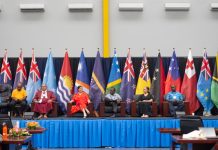
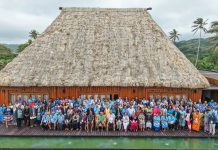
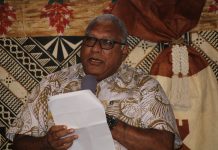
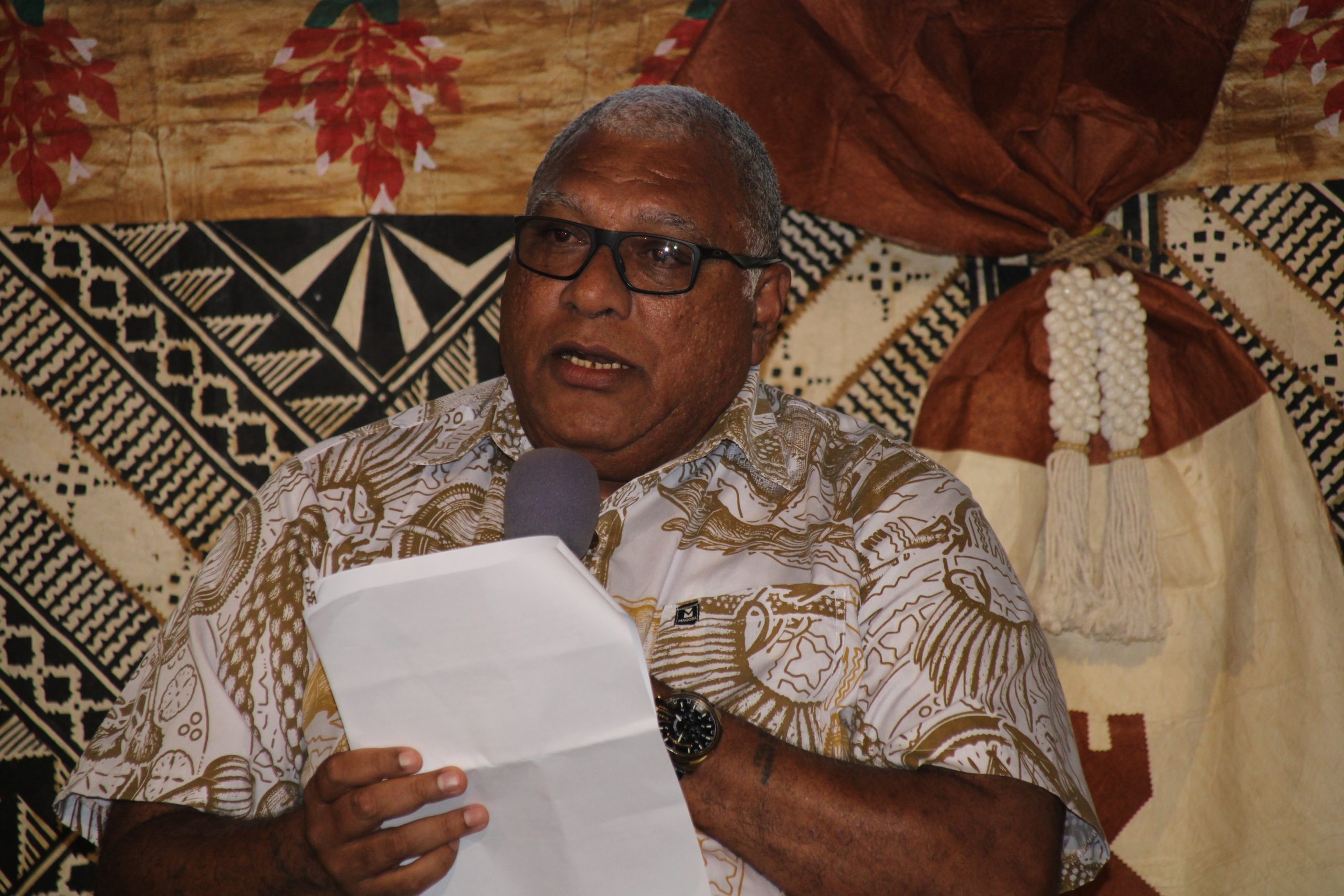
Pacific voices, traditional knowledge and local climate solutions must be at the centre of discussions ahead of COP31, former Fiji President and Tui Macuata Ratu Wiliame Katonivere told the Pacific Media Summit’s Pre-COP31 session in Fiji.
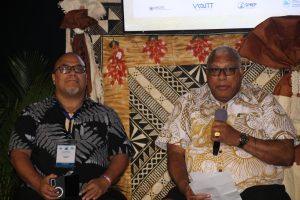
Pacific communities must have their climate solutions heard at COP31, says fomer Fiji President Katonivere said Pacific countries were among those most affected by climate change and needed to ensure the work being done by Indigenous peoples and local communities was reflected in regional and global climate discussions.
“The time for action is now, and one of the ways we can take action is to share our stories and experiences,” Katonivere said.
Speaking as a Climate Champion, Katonivere said Indigenous peoples and local communities had long been custodians of forests, oceans, rivers, flora and fauna.
He said traditional knowledge had helped protect natural resources and should be combined with scientific evidence and new approaches to address growing climate threats.
“Our forefathers were wise custodians, and they were gifted with the pristine environment that we enjoy today.
“They set the precedent for us and we owe it to our future generations to manage our environment and resources,” he said.
Katonivere said climate change, pollution and drought were now threatening not only the environment and livelihoods but also Pacific culture and identity.
“The resources in them are crucial for our language and our culture.
“Significant flora and fauna are cultural tokens that contribute to our cultural heritage,” he said.
He highlighted the conservation work in Macuata, including efforts by traditional resource owners to protect fishing grounds and marine areas.
Katonivere said collaboration between resource owners, government and environmental organisations had been critical to conservation efforts.
He urged development partners and others working on climate and environmental programmes not to overlook existing traditional networks.
“As a traditional leader, I am constantly reminding our partners not to reinvent the wheel, but to tap into the existing community and traditional networks and knowledge we have.
“Our traditional approaches, coupled with new knowledge, such as scientific evidence and practice, will help address threats to our resources,” he said.
Katonivere said similar work was taking place across Fiji’s 14 provinces, much of it driven by communities themselves rather than donor-funded projects.
“The work underway in the villages and communities that are not necessarily funded by donors … are now aided by science and new innovations.
“We are driven to do these things not by project funding but the responsibility that we have to look after our God-given resources,” he said.
As Pacific countries prepare for COP31 in Antalya, Türkiye, Katonivere challenged the media to give greater attention to community-led climate action.
He acknowledged the media’s role in reporting Pacific positions at Pre-COP and COP, but said coverage should also highlight what communities were doing on the ground.
“How can you cover climate change in your national, regional, and international context?.
“Would you consider highlighting the stories of what Indigenous peoples and communities across the Pacific are doing when there is climate change?” he asked.
Katonivere urged Pacific journalists to report stories of communities using traditional knowledge and networks to respond to climate impacts.
“My takeaway for all of you today is to please collaborate with us, tell our stories.
“Stories of those affected and most likely to be affected by climate change,” he said.
He said communities wanted to leave the environment and resources in better condition for future generations.
“We want to handle our environment and our children in the same, in a better state than we see them.
“And our friends in the media can help by telling us this,” Katonivere said.