
By Pita Ligaiula in Savusavu
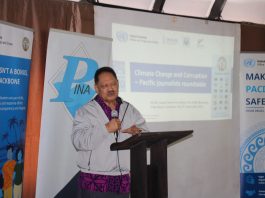
Organised crime in the Pacific is growing and becoming more sophisticated, with journalists facing increasing threats as they investigate drug trafficking, gangs and criminal networks, says Pacific Islands News Association (PINA) President Kalafi Moala.
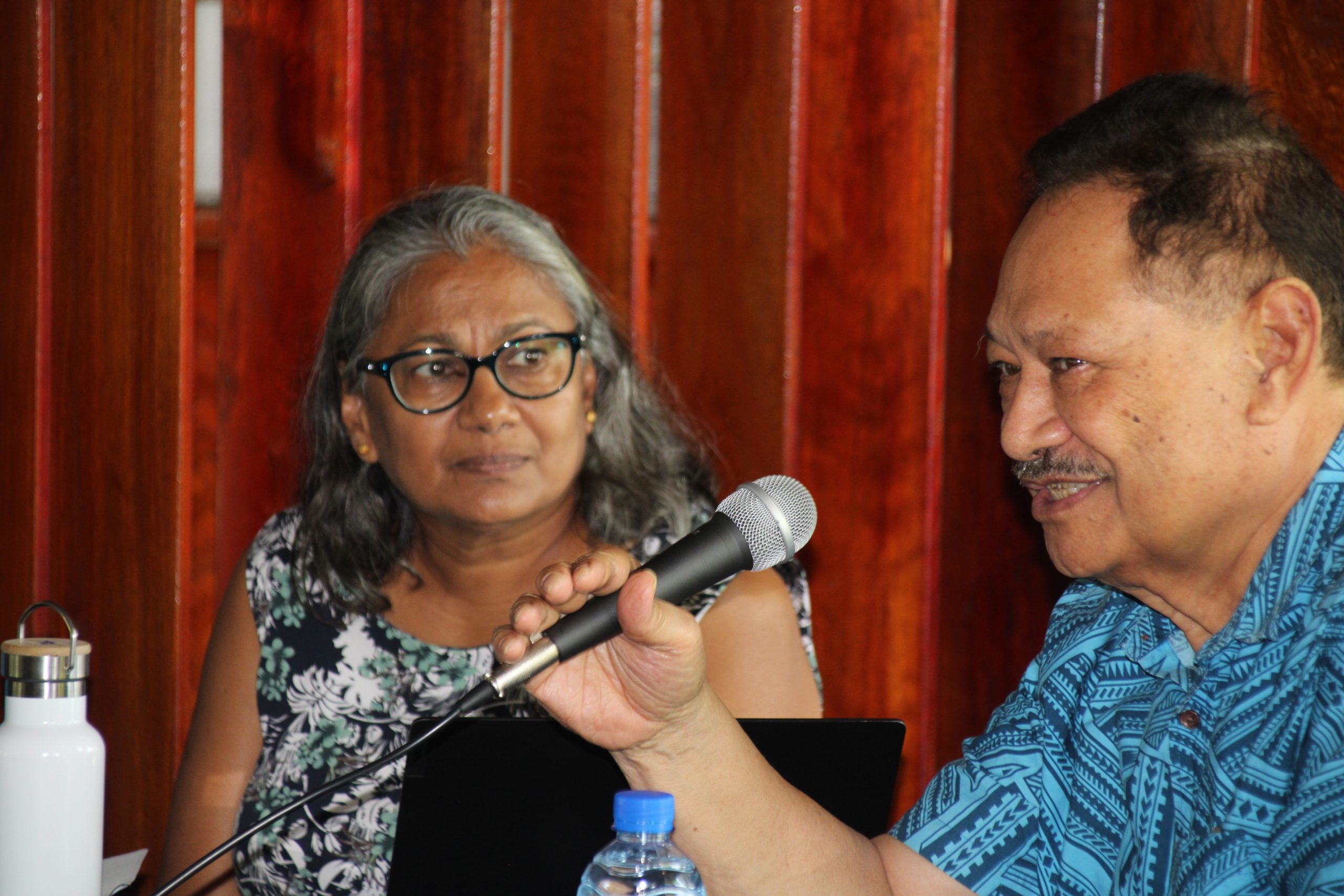
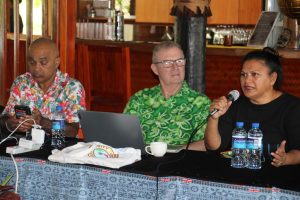
Speaking on a panel discussion on organised crime, Kalafi said criminal networks operating in Tonga had evolved over decades and had expanded their activities despite arrests and prosecutions.
“One is that it has grown. It hasn’t had a positive effect, it just keeps growing. And it gets more sophisticated,” Kalafi said.
He said Tonga had historically been used as a major network for cocaine distribution, with links extending to Australia, New Zealand and Hawaii.
Kalafi said some leaders of those networks had gone to prison but the networks themselves had not been dismantled.
“The network never dismantled. And it’s the same network now involved in the distribution, not only of cocaine, but of meth,” he said.
Kalafi said Tonga was now facing a more serious problem, with methamphetamine allegedly being manufactured locally after ingredients and equipment were brought into the country.
“They’re not just distributing meth coming through to Tonga, they’re making it locally, manufacturing it,” he said.
He said drugs were then being moved to New Zealand and Australia.
“So we do have a problem, and in terms of result and outcome, it’s just getting worse,” Kalafi said.
The growth of organised crime has also created greater risks for journalists covering drug trafficking and gangs.
Kalafi recalled an incident involving a reporter from the Kele’a newspaper who reported on Tongan gangs.
He said a gang member came to the newspaper’s office the following day and allegedly threatened the reporter.
“She was threatened, ‘if you continue to report it, we’re going to get you’,” he said.
Kalafi said journalists faced real dangers when reporting on organised crime, but argued that truth-telling remained central to the profession.
“Well, don’t they tell the truth? Truth should be protected by the truth.
“And the most important thing in our profession is that there are no limitations,” he said.
On personal safety, Kalafi said journalists had to recognise the risks associated with the profession.
“In terms of personal protection against harm and all of that, I think if we have a concern and we are fearful about it, worried about it, we should get out. There are dangers in being a journalist,” he said.
Kalafi said journalists should not allow fear to prevent them from doing their work, while acknowledging that journalists could not protect themselves from every threat.

“My feeling is that if you’re telling the truth, you need to trust the truth to protect you.
“But there are other things you cannot protect. Anybody can walk in there and put a Machine gun or bullet in your head,” he said.
He said the threat of organised crime also extended into institutions and public services.
“Much of the problem is happening among the people in authority,” he said.
He referred to cases involving alleged drug activity connected to police, financial institutions and prisons.
Kalafi said the spread of drugs was also placing pressure on Tonga’s limited treatment and counselling services.
“We don’t have any other church or government facility for the counselling and the treatment of drug addicts,” he said.

Kalafi said people dealing with drug addiction and mental health problems were often left without adequate specialised treatment.
“So that is a national problem that we are facing,” Kalafi said.
He said the growing reach of organised crime required continued reporting and scrutiny, despite the risks faced by journalists covering the issue.