By Pita Ligaiula in Savusavu
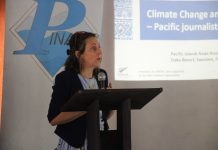
UNODC Pacific Regional Anti-Corruption Adviser Marie Pegie Cauchois has offered further support and training for Pacific journalists covering corruption and transnational organised crime, saying understanding what happens behind a story is as important as what eventually appears in print.
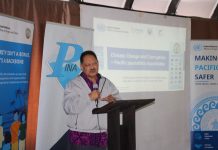
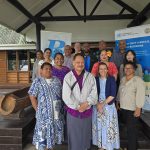
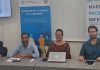
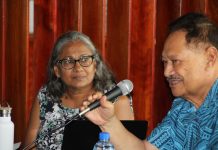
Speaking at the closing of the Pre-Pacific Media Summit workshop on Climate Change and Corruption in Savusavu, Cauchois said the discussions had provided insight into the decisions journalists make before publishing a story.
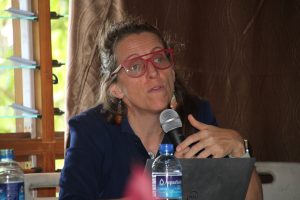
“I was very impressed with the rich and thought-provoking discussion that’s happened here,” Cauchois said.
“We often see what is in the paper, and it’s easy to judge what is in the paper, but what you’re telling us is everything that goes behind, and what goes in your mind before you go and put the pen to paper.”
She said journalists must weigh several factors before publishing, including the quality of information, the environment in which they are working and their personal safety.
“The really important part here is about having the right information, then deciding what is the environment like, and why would you publish, or how safety is taken into account,” she said.
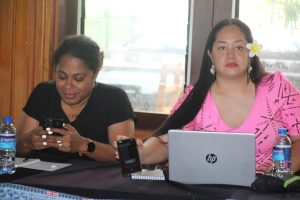
Cauchois thanked participants for openly sharing their experiences during the workshop.
“Thank you very much for being very honest and very open in sharing your experience,” she said.
Cauchois said UNODC was considering ways it could provide further practical support to journalists and civil society working on anti-corruption and organised crime issues.
She said small grants used for anti-corruption work could potentially be expanded to support work focused on transnational organised crime.
“Perhaps at some stage, there might be a possibility to do the small grants that we’ve done for anti-corruption,” Cauchois said.
“That might be a possibility for small grants for transnational organised crime topics.”
She said the idea was worth exploring following discussions during the workshop.
Cauchois said the UNODC remained available to support Pacific journalists and other stakeholders through training and further discussions on specific areas of concern.
“This conversation on transnational organised crime has been ongoing,” she said.
“But I just want to say that we are a partner, and we’re very happy to be providing more support, or more training if required, or more discussion to go deeper into specific areas.”
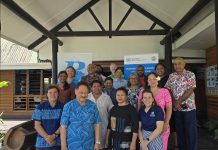
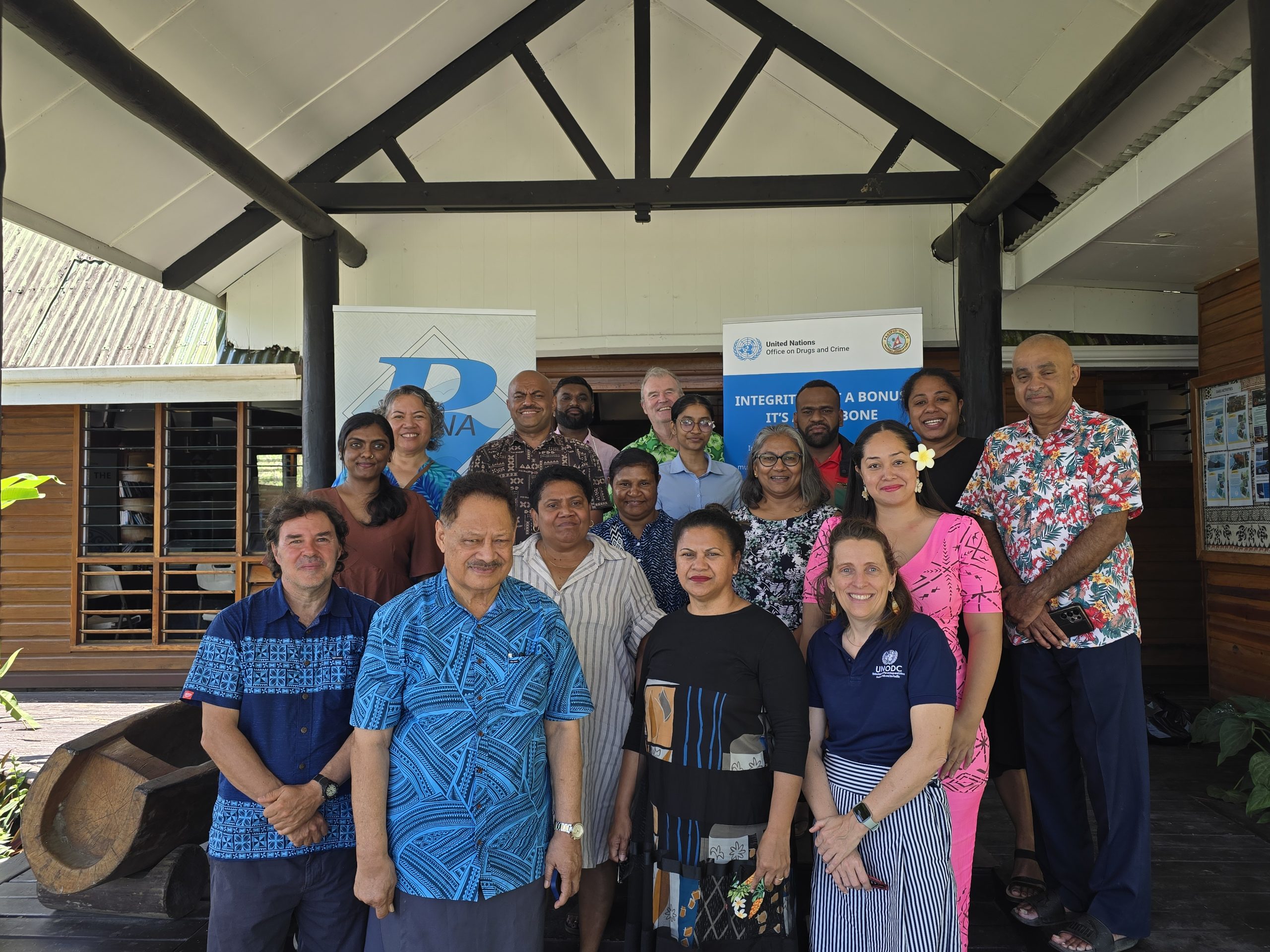
The workshop brought together Pacific journalists to discuss the links between climate change, corruption and transnational organised crime, including the challenges journalists face when reporting on complex and sensitive issues.
Cauchois said the discussions highlighted the importance of understanding the work and risks involved in producing public-interest journalism.
She said UNODC looked forward to continuing the engagement with Pacific media.