

New Zealand Foreign Affairs Minister Vaovasamanaia Winston Peters says the Cook Islands’ airline experience shows what can be achieved in the Pacific despite the region’s difficult operating environment.
Speaking on Pacific Mornings, Peters says regional aviation is critical to Pacific economies, particularly tourism-dependent countries.
“Well, we do have a view that it’s necessary, and it’s particularly critical when you’ve got tourism industries dependent upon it.”
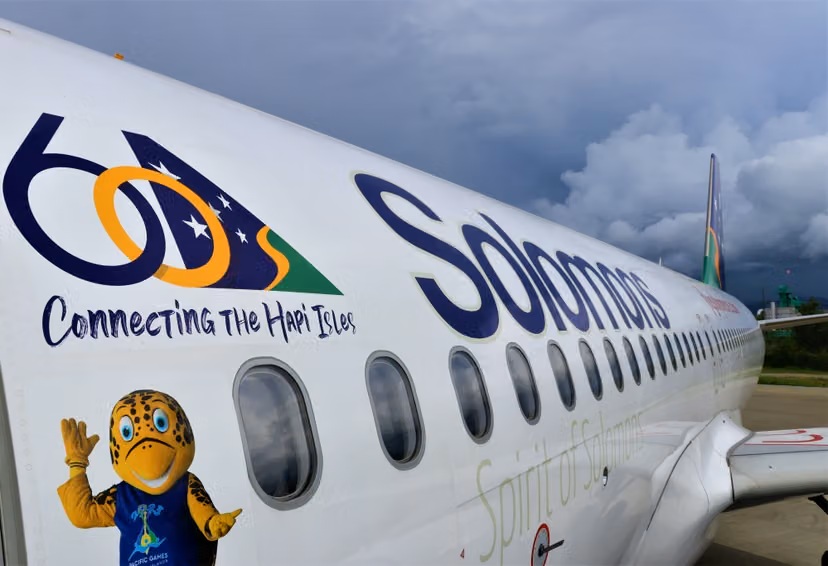
That pressure is being felt by Pacific carriers themselves. Solomon Airlines commercial manager John Wopereis said last month that the airline was having to balance its commercial pressures with its role in keeping communities connected.
Wopereis described the carrier’s services as a “lifeline” for communities and said: “There’s only so many ways we can respond when we’re relying on government as well, it’s quite a big challenge for us.”
Peters says New Zealand previously provided financial support to keep flights to the Cook Islands operating, helping the route grow to about 175,000 annually.
“I was providing them by three million a year to make sure the flights went to the Cook Islands, and they’ve gone from there to now having 175,000 a year coming.”
He says the Cook Islands’ success also shows the value of Pacific people playing a strong role in their national airline.
“But then again, see, in the Cook Islands, they’ve got one of the most efficient airlines in the world, started by a guy called Ewan Smith.
“You’ve got all these Cook Island boys, they’re all in the business, and every pilot is a Cook Islander. It’s a staggering successful story.”
Peters says the Cook Islands experience is something other Pacific countries could learn from.
“But that’s the kind of story we want to see over and over again in the Pacific. It can be done, and that’s why we see that. It’s inspiring.”
Solomon Airlines has also been expanding its regional links, launching a Honiara-Port Moresby service in July and signing an interline agreement with Philippine Airlines to improve connections between the Solomon Islands and Asia.
But the push to strengthen regional connectivity comes as airlines face rising costs and fuel pressures.
PMN News reported in April that Pacific airlines were already facing a major fuel shock, with Air Rarotonga managing director Sir Ewan Smith warning that some carriers were in a “perilous financial state”.
David Tohi, Secretary-General Association of South Pacific Airlines, said the region’s airlines faced “small markets, high costs, infrastructure and resourcing challenges, lack of access to capital, and not a lot of margins for error”.
The pressure is being felt across the region with Air Vanuatu going into liquidation and Solomon Airlines facing financial strain.
A proposed new carrier, One Pacific Airways, is also looking at partnering with Nauru Airlines to strengthen connections across Micronesia.
Peters also confirmed Aotearoa has already provided emergency financial support to Pacific countries affected by the fuel crisis, including the rising cost of jet fuel.
“Yes, we’ve made significant payments already to help out in the Pacific.”
New Zealand is not the only country providing financial support. Australia announced UD$30m (NZ$36.21m) in additional budget support for Fiji in May to help the country manage rising fuel prices and support its role as a regional fuel hub.
Peters would not say which countries had received the money, saying he did not want to name them until they did so themselves.
Peters says New Zealand has also discussed a possible U.S tanker deployment if additional fuel supplies are needed.
“We sought to get the backup in case things got desperate. So far, so good. Fingers crossed.”
The Pacific Islands Forum has also backed a more coordinated regional response.
Forum Deputy Secretary-General Esala Nayasi says PIF’s new mechanism could help countries work together to secure fuel supplies and strengthen the region’s response to future fuel shocks.