
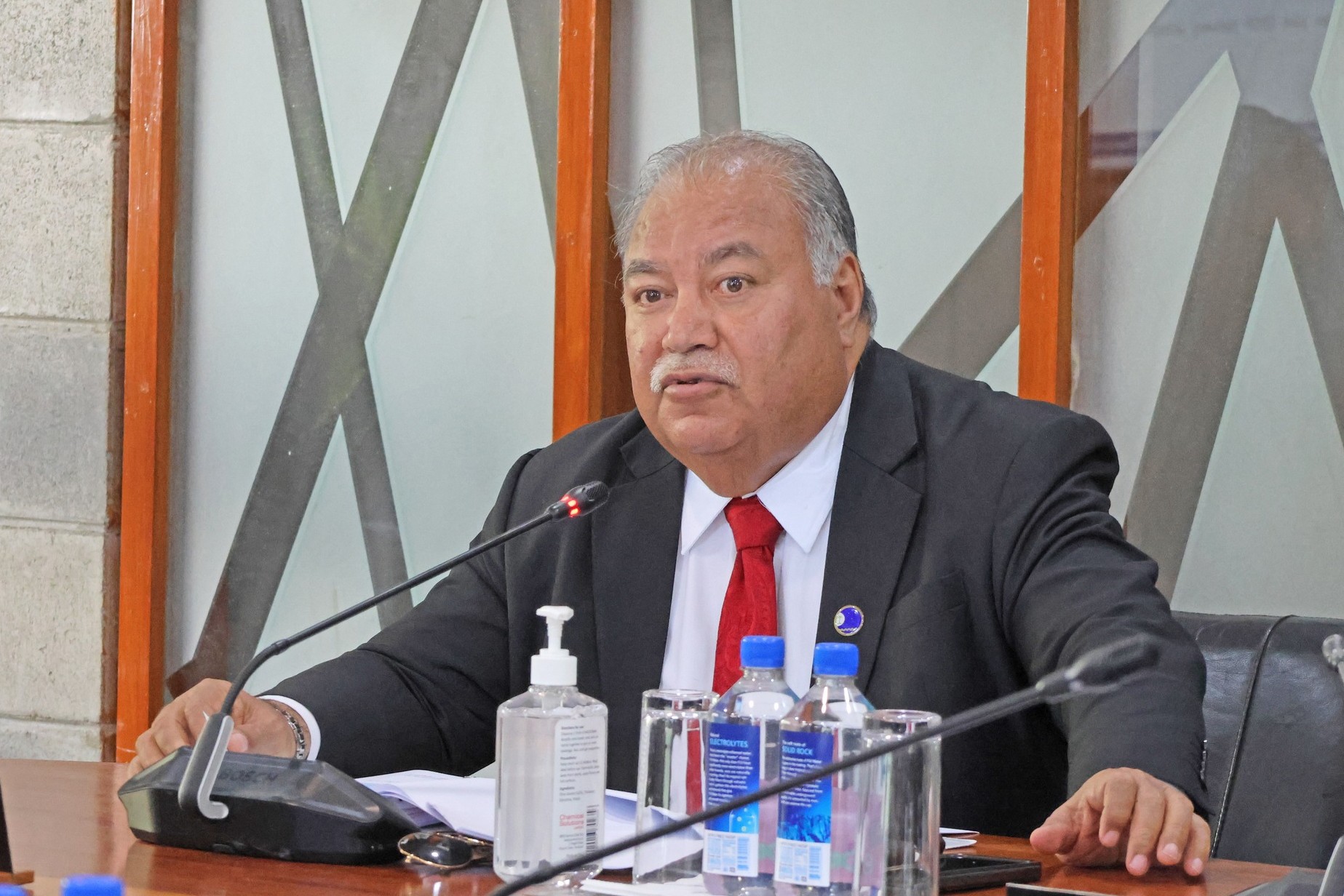
Pacific Islands Forum Secretary General Baron Waqa has called on Smaller Island States (SIS) to retain political ownership of their priorities while using existing regional institutions to deliver results, as officials meet to shape the group’s future direction.
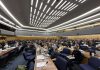
Opening the Smaller Island States Officials Meeting this week, Waqa acknowledged the growing demands placed on the region’s smallest administrations as multiple regional reviews and priorities progress simultaneously.
“As alluded to by the Chair, we are an interesting era of reviews, as we consider how best to position ourselves to better navigate the challenges that lie ahead.
“I recognise that for the SIS, this has meant that your small administrations have had to put in longer hours to stay abreast with both the advancement of regional priorities as well as the tracking of the various regional reviews that are ongoing,” said Waqa.
Waqa praised SIS members for continuing to play influential roles despite their size.
“You have demonstrated and continue to demonstrate your ability to punch above your weight – whether it is leading climate action advocacy, pioneering practice in deep sea minerals or leading the fight on nuclear legacy issues – to name a few.”
He also noted that Palau, a Smaller Island State member, will chair the Pacific Islands Forum this year and expressed confidence it would receive the full backing of the SIS group.
“This year, an SIS Member Government will again assume the Chair of the Pacific Islands Forum – a mammoth task in itself for any Government. I am confident that the SIS Group will stand behind the Government of Palau in this endeavour as it spearheads the Forum, its priorities and its advocacy.”
Waqa said the papers before officials were designed to advance decisions made in 2025 and were informed by the 2024 SIS Review, technical advice from Council of Regional Organisations of the Pacific (CROP) agencies, national consultations and the work of the SIS Working Group.
He said the review proposed that SIS members continue to lead on setting priorities while relying on existing Forum, CROP and sectoral mechanisms for implementation rather than creating new governance structures.
“The central proposition is straightforward: SIS Members should retain political ownership of their priorities and identity, while using existing Forum, CROP and sectoral mechanisms to deliver results. This avoids adding new layers of governance and places the responsibility for implementation where the relevant mandates and expertise already sit,” Forum SG Waqa said.
Waqa said the Secretariat would focus on ensuring that decisions taken at the meeting are translated into practical outcomes.
“The Secretariat recognises that the value of today’s decisions will depend on disciplined follow-through. We will support Members to translate agreed Focus Areas into practical workplans, clarify institutional responsibilities, identify resource gaps and maintain visible reporting to SIS Officials and Leaders,” said Waqa.