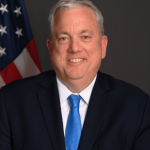



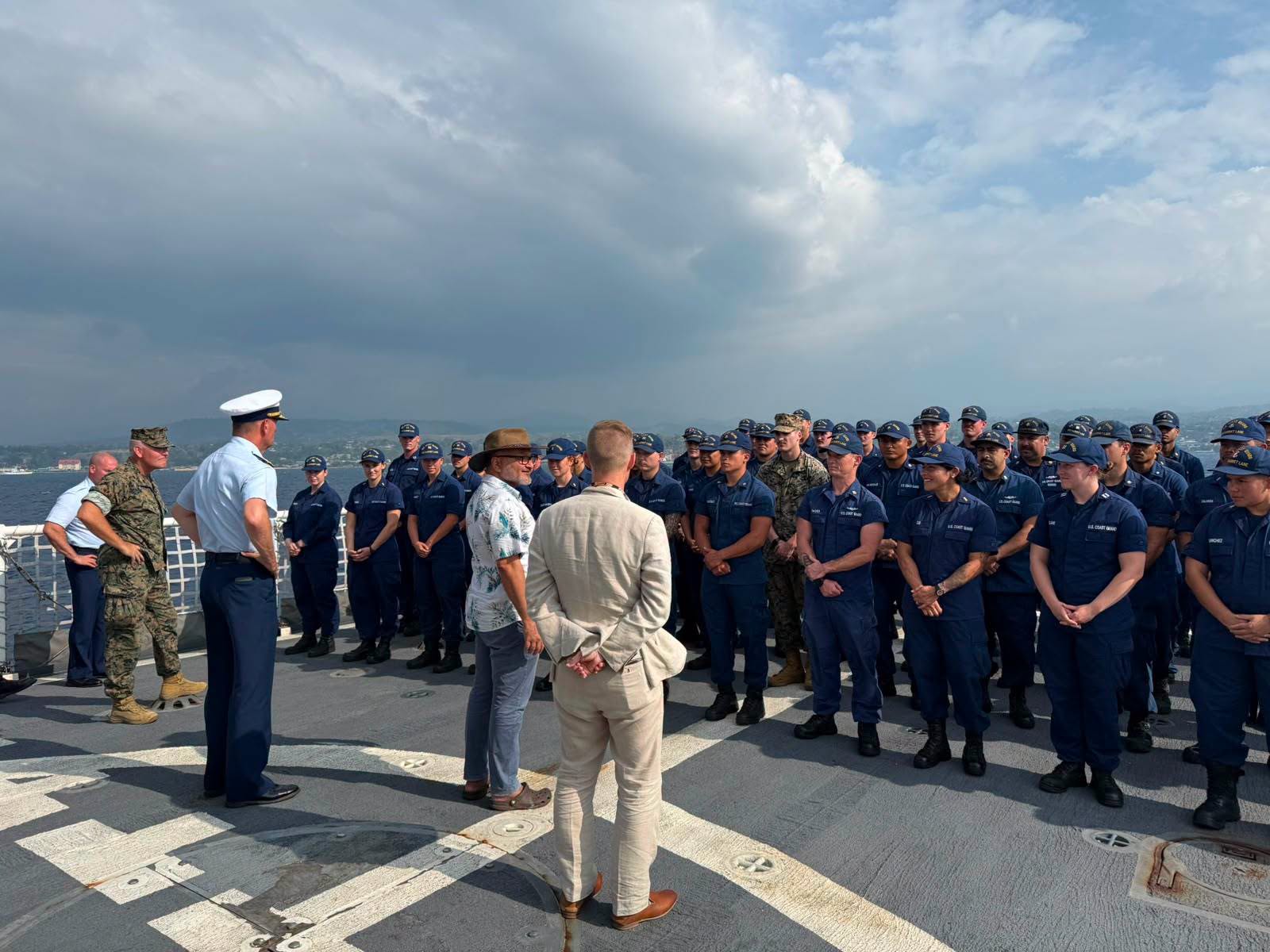
Ship Rider Agreements are not a surrender of Pacific sovereignty but one of the region’s strongest expressions of it, according to Solomon Islands National University (SINU) Vice Chancellor and fisheries legal expert Dr Transform Aqorau, who says the agreements were developed by Pacific Island countries to strengthen enforcement of their fisheries laws while keeping full legal authority with the coastal State.
Dr Aqorau said misconceptions persist that Ship Rider Agreements allow foreign countries to police Pacific waters but stressed this is not how the arrangements operate.
“The answer is simple: they do not. In fact, Ship Rider Agreements are among the strongest expressions of Pacific Island sovereignty because they are built on the principle that all enforcement authority remains with the coastal State,” he said in a social media post.
He explained that the agreements were born out of the challenges Pacific Island countries faced after the 1982 United Nations Convention on the Law of the Sea (UNCLOS) established 200-nautical-mile Exclusive Economic Zones, giving them sovereign rights over vast ocean areas but leaving many without the resources to patrol them effectively.
According to Dr Aqorau, this challenge prompted the Pacific to develop innovative regional fisheries enforcement measures through the Forum Fisheries Agency (FFA), including the Regional Register, satellite-based Vessel Monitoring Systems, and regional measures to prevent illegally caught fish from entering Pacific ports.
He said those initiatives significantly improved compliance but could not overcome the reality of policing one-third of the Earth’s surface with limited patrol assets.
Recognising these limitations, Dr Aqorau said work began in 1991 on what became the Niue Treaty on Cooperation in Fisheries Surveillance and Law Enforcement in the South Pacific region.
“Our objective was simple but ambitious.
“If Pacific Island countries could cooperate in managing fisheries, why could they not also cooperate in enforcing their fisheries laws?” he said.
He said the Treaty established the world’s first regional framework dedicated to cooperative fisheries surveillance while preserving national sovereignty.
Dr Aqorau said Ship Rider Agreements build on that foundation by allowing a coastal State to place one of its authorised fisheries officers aboard a foreign vessel.
“That officer retains the legal authority of his or her own government.
“The foreign vessel merely provides transport, communications, accommodation and operational support.
“The authority never changes hands.
“The sovereignty never leaves the coastal State.
“The officer is enforcing the law of his or her own country.
“The ship is simply providing the ride,” said Dr Aqorau.
He rejected claims that the presence of foreign naval or coast guard vessels in Pacific waters undermines sovereignty.
“The presence of a foreign vessel does not mean foreign jurisdiction.
“Jurisdiction remains with the coastal State,” Dr Aqorau emphasised.
Dr Aqorau argued that Ship Rider Agreements demonstrate, rather than diminish, sovereignty because the coastal State decides how it exercises its jurisdiction and with whom it cooperates.
“A sovereign State has the right to decide how it will exercise its jurisdiction and with whom it will cooperate,” he said.
Dr Aqorau said cooperation remains essential because no Pacific Island country can effectively monitor its vast ocean territory alone.
“The Pacific Ocean will always be too vast for any one nation to patrol alone.
“But together, Pacific Island countries—and trusted partners acting under Pacific authority—can significantly increase the physical presence at sea, improve compliance, deter illegal fishing and better protect the resources upon which our economies, food security and future generations depend”,” he explained.
Dr Aqorau said the legal basis for Ship Rider Agreements is firmly grounded in international law, including UNCLOS, the Niue Treaty and its Subsidiary Agreement, the Vienna Convention on the Law of Treaties, and decades of established State practice.
“Far from weakening Pacific sovereignty, Ship Rider Agreements strengthen the ability of Pacific Island countries to exercise the sovereign rights that international law has already recognised.
“They are not only legally tenable; they are legally sound, practically necessary, and internationally defensible,” he stressed.