


By Elenoa Masi in Nuku’alofa
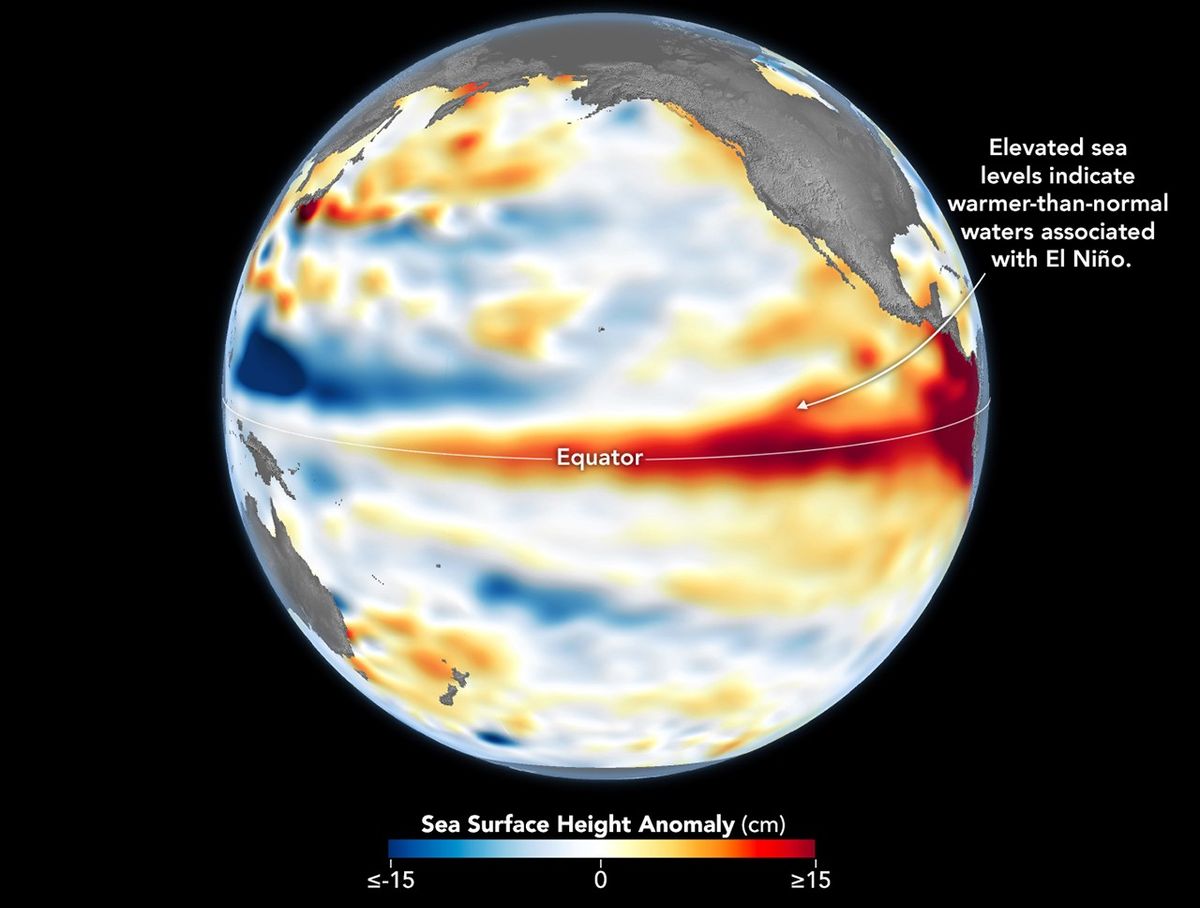
The El Niño now building across the Pacific could exceed anything observed since reliable records began in 1950, and that its effects in a warmer world are no longer predictable from past events.
Briefing the Eighth Pacific Meteorological Council in Nukualofa Tonga , the Pacific Regional Climate Centre Network said oceanic and atmospheric indicators were consistent with a strong to very strong event, declared in June and still strengthening. It is projected to peak late this year or in early 2027 and to persist into the March to May period.
Forecasts point to below-normal rainfall across the western, north-western and south-western Pacific, and above-normal rainfall in the central and eastern equatorial Pacific.
Sea levels in the western Pacific are forecast to fall below normal, with negative anomalies possibly exceeding 30 centimetres. The council’s paper warns this will expose shallow reefs, reef flats and intertidal ecosystems to solar radiation and atmospheric heating, and may disturb lagoon circulation in atolls.
Tropical cyclone activity in the North Pacific is already above normal, with four more than usual in the north-east and five more in the north-west.
“This El Niño is taking place in a much warmer world,” the presenter told the council. “We don’t fully understand how these warm sea surface temperatures will influence suppressed rainfall in the western Pacific. Impacts associated with this event may be unique.”
Papua New Guinea is already in it, with drought affecting 21 of its 22 provinces and the peak expected in October and November.
“The El Niño will end by May next year, and that’s when the crisis will actually be coming back,” he said. Water tables have dropped and the Fly River is affected.
Solomon Islands has a different impact. Having activated drought arrangements, it has instead had three months of prolonged heavy rain , “an unexplained situation that we still [are] seeking explanations for”, Jimmy Gomoga, Director of the PNG National Weather Service said.
Fiji, Tonga and the Federated States of Micronesia, which sit away from the equator, and are expected to feel the impacts later, which will persist after conditions ease.
The council’s paper cautions against reading 1997–98 as a guide. Populations have grown, “particularly in Melanesian countries”, more people and infrastructure sit on the coast, and the climate is substantially warmer. “Preparedness should account for the possibility of unexpected or unprecedented impacts.”
It also notes that three regional climate programmes end in 2027, as the event’s effects are expected to persist.
Niue reported farmers harvesting and freezing taro in anticipation of the impacts of the drought.