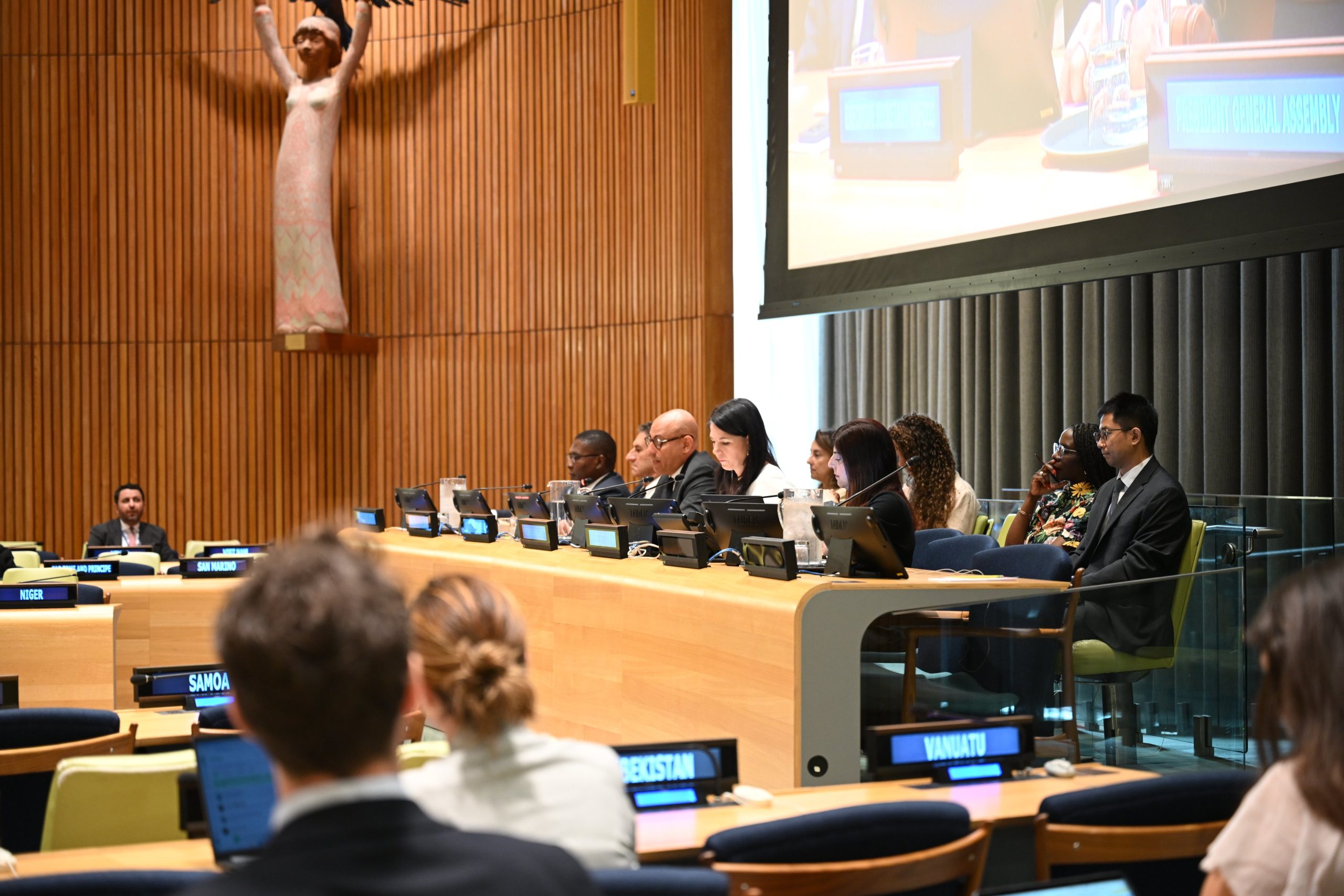
UN Climate Change Executive Secretary Simon Stiell has called for a faster global transition to renewable energy, warning that conflict, climate change and fossil fuel dependence are driving energy insecurity, rising food prices and economic instability.
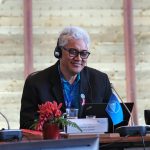
Addressing the UN General Assembly Informal Interactive Dialogue on “Accelerating the Global Energy Transition: Advancing Renewables and Mobilising Investment” in New York, Stiell said recent global events had strengthened the case for clean energy.
“I travelled to New York direct from India: Where I heard corporate leaders extol the benefits of clean energy.”
“Because clean energy means growth, jobs, and stronger security,” he said.
Stiell said conflict had disrupted global energy markets and increased costs for billions of people.
“Conflict has taken an appalling human toll and choked global energy markets: Pushing up prices for billions of people – and demonstrating that clean energy is secure energy.”
He said countries leading in renewable energy had been protected from some of the worst impacts of the current fossil fuel cost crisis.
“Renewables frontrunners like Spain and Pakistan have been shielded from some of the worst effects of today’s fossil fuel cost crisis.”
Stiell also warned that conflict, economic downturns and climate-related shocks had created a “triple blow” to global food security.
“Harvests are threatened by the climate-supercharged impacts of El Niño, and fertiliser shortages.”
“That means higher food prices for billions of people, and the most vulnerable staring down the barrel of more scarcity, and desperate hunger,” he said.
Stiell said dependence on coal, oil and gas continued to create economic uncertainty while worsening climate change.
“A world addicted to coal, oil and gas is a world of economic uncertainty, unnecessary costs, and conflict.”
He said governments increasingly recognised climate change as a security issue and stressed that the global energy transition is now irreversible.
“No wonder governments increasingly view climate as a security issue.
“Or that the global energy transition is now irreversible – as every country said at COP30,” said Stiell.
He said the transition must be faster, fairer and support countries and communities that have historically depended on fossil fuel revenues.
At COP28, countries committed to accelerating the transition away from fossil fuels while tripling renewable energy capacity and doubling energy efficiency by 2030.
Stiell said regional and global cooperation would be essential to achieving those commitments, alongside the Global Climate Action Agenda, which brings together governments, businesses, investors and civil society to implement climate action.
He also highlighted Türkiye’s COP Presidency target of achieving a global electrification rate of 35 percent by 2035.
“Electrification is a golden ticket to more prosperity and stability – including for small island developing states, like the one I’m from.”
Stiell said finance would be critical to helping countries accelerate the energy transition and strengthen resilience.
“Developed countries must honour their commitments to triple adaptation finance and deliver US$300 billion per year by 2035. As part of a clear pathway to scaling up to US$1.3 trillion a year.”
He urged multilateral development banks to expand concessional finance, guarantees and policy-based lending to help countries strengthen electricity grids, improve policies and develop bankable projects.
“I urge MDBs to embrace this role.”
Stiell also called on the United Nations to integrate climate action across its work on development, security and economic resilience.
He said governments should view the energy transition as central to national security.
“As the realities of fossil fuel dependency play out in real-time, it is increasingly clear: That faster energy transitions are core business for governments, and core to national security strategies.
“That doubling down on renewables and resilience is in every country’s interests.
“And that action now is the basis of long-term peace and security around the world,” said Stiell.