
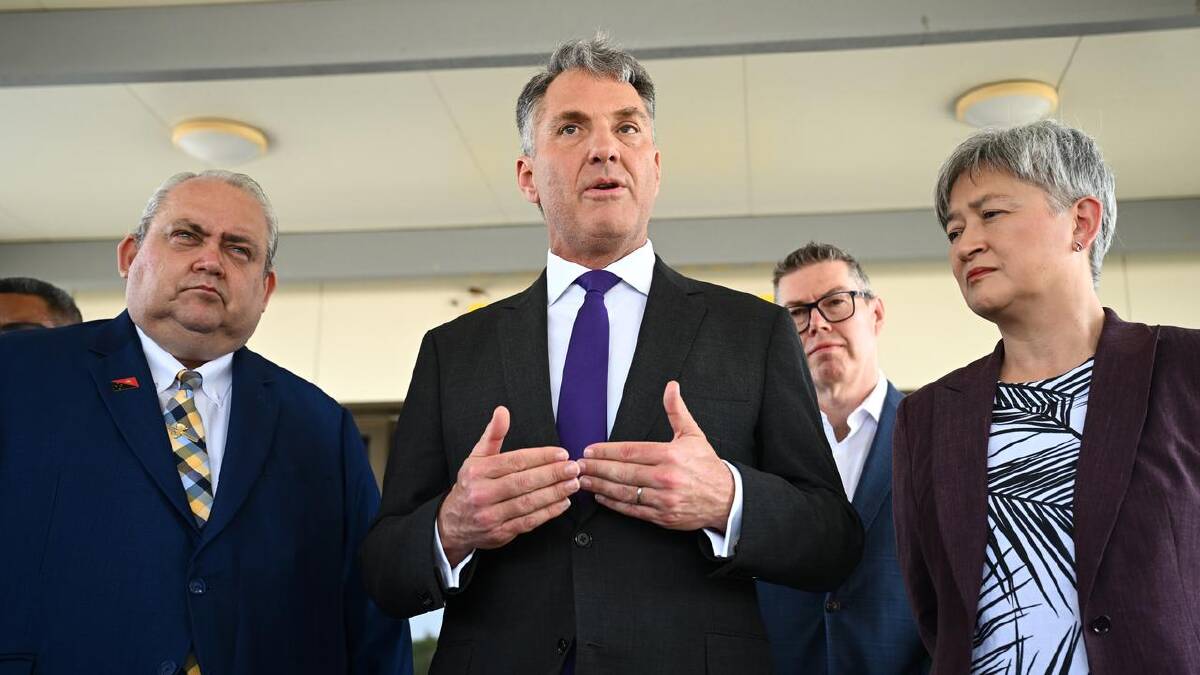
Australia sees Timor-Leste as a critical link in its regional security network, with Deputy Prime Minister Richard Marles saying a new defence framework with Dili strengthens Canberra’s efforts to build closer security ties with countries surrounding Australia.
Marles said the agreement with Timor-Leste completed a wider push by the Albanese government to deepen security relationships across the Pacific and Southeast Asia.
In an interview with ABC, Marles said Timor-Leste had always been strategically important to Australia, but the government had placed greater emphasis on engagement with the region.
“It is a neighbour, it’s right there. And it matters that we have the strongest level of engagement possible with Timor-Leste,” he said.
Marles cited Australia’s security arrangements with Indonesia, Papua New Guinea, Vanuatu and Fiji, as well as ongoing work towards a security agreement with Solomon Islands.
He said these agreements were designed to strengthen relationships with countries around Australia and support regional stability.
“When you do that exercise, the last link in the chain is Timor-Leste,” Marles said, describing the agreement signed in Dili as an important step in completing that network.
He said Darwin would play a key role in defence engagement with Timor-Leste because of its proximity to the country.
A major joint exercise, Hari’i Hamutuk, is planned for August next year, with about 120 Australian personnel from 1 Brigade in Darwin expected to participate, subject to confirmation.
Asked whether the agreements were intended to send a message to China about its presence in the region, Marles said Australia’s priority was to strengthen partnerships and contribute to collective security.
“The message is about the region, which is that we’re here to engage and that we want to be the natural partner of choice for the countries of the Pacific, but also very much a country like Timor-Leste,” he said.
Marles said Australia’s security efforts were not directed specifically at China but reflected its responsibility to help maintain peace and stability across the Pacific and Southeast Asia.
He said Australia’s own security depended on a peaceful and stable regional environment.
“The defence of Australia really doesn’t mean that much unless you’re talking about a peaceful and stable Pacific, a peaceful and stable Southeast Asia,” he said.
Marles said the agreements were intended to strengthen collective security and demonstrate Australia’s commitment to working with its neighbours to maintain regional peace and stability.