
By Saber Salem
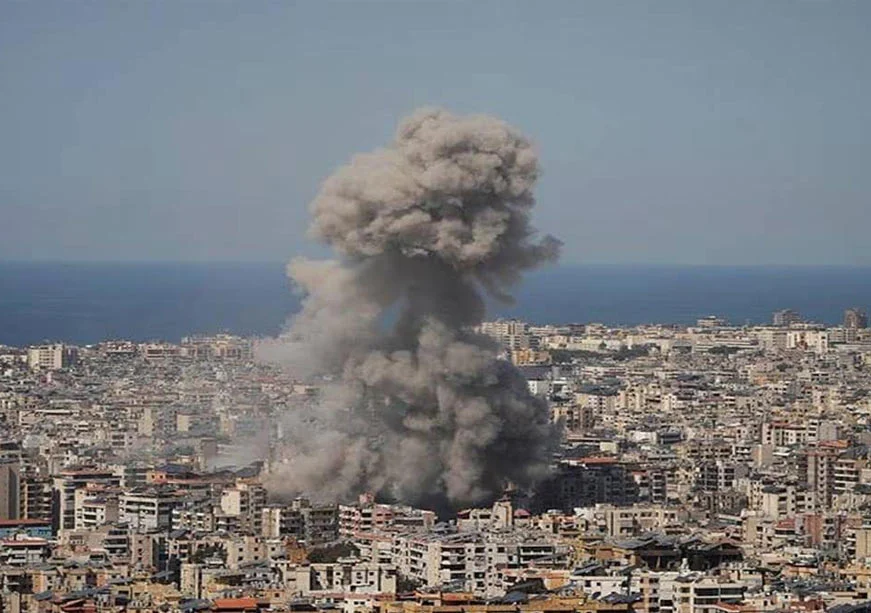
The war between the United States and Iran, which began on 28 February and continues with no end in sight, has inflicted disproportionate economic and strategic consequences on the small island nations of the Pacific. Although geographically distant from the conflict, these states have been among the hardest hit due to their structural economic vulnerabilities.
The war has disrupted global supply chains, destabilised international energy markets, threatened critical maritime shipping routes and generated widespread uncertainty across an already fragile global economy.
The Pacific Island countries are particularly vulnerable to these external shocks because of their geographic remoteness, isolation from major international markets, narrow economic base and heavy dependence on imported goods, fuel and essential commodities. These structural constraints have magnified the spillover effects of the Gulf conflict, exposing the region to rising inflation, higher transportation and energy costs, supply shortages and slower economic growth. As a result, a conflict thousands of kilometers away has had severe, far-reaching consequences for the Pacific, underscoring the region’s vulnerability to geopolitical crises beyond its control.
Furthermore, net oil and gas imports account for approximately 15 percent of gross domestic product in many Pacific economies, which underscores their heavy reliance on imported energy.
Among the lower-income countries in the region, only Papua New Guinea and Timor-Leste are net energy exporters, while all other Pacific island states depend heavily on imported petroleum products to meet their domestic energy needs. The region’s vulnerability to external energy shocks is further compounded by the absence of significant domestic oil production and its limited fuel storage capacity.
In addition, the small island nations meet approximately 80 percent of their energy needs through imported petroleum products, leaving them highly exposed to volatility in international energy markets. Higher fuel prices inevitably increase the costs of transportation, electricity generation, and food, fueling inflation and placing additional financial pressure on governments, businesses, and households already facing significant economic challenges.
Fiji’s economic growth forecast for 2026 has been revised downward from 3 percent to 1.5 percent, reflecting the impact of soaring fuel prices and heightened economic uncertainty stemming from the war. Rising oil and natural gas prices place additional strain on already fragile economies by increasing the cost of doing business, reducing household purchasing power and placing greater pressure on government budgets.
As operating costs rise, many businesses may be forced to reduce production, postpone investment, or lay off workers, contributing to higher unemployment, poverty, and social insecurity.
Low-income households are particularly affected, as a larger share of their income is spent on basic necessities. Consequently, many families are compelled to reduce expenditure on food, healthcare and education, thereby worsening poverty, deepening social inequality and undermining long-term human development across the region.
Thus, the current war will severely impact the following sectors in the Pacific region:
1. The Middle East conflict will place significant pressure on healthcare systems across the Pacific region, which rely heavily on imported medicines, medical equipment and pharmaceutical supplies. Rising oil and natural gas prices have triggered a sharp increase in transportation and shipping costs, which will make imported medical goods more expensive and less accessible.
Many Pacific Island countries also depend on imported fuel to power hospitals, health centres, ambulances and medical supply chains. As fuel prices rise, the operational costs of healthcare facilities increase, making it more expensive to transport essential medicines, vaccines, medical equipment, and healthcare personnel to remote islands. These additional costs are often passed on to consumers, placing vital healthcare services beyond the reach of many low-income households.
2. The economic consequences of the war are likely to place considerable pressure on government finances across the Pacific region. As governments allocate increasing resources to mitigate the rising cost of living, stabilise domestic economies and respond to the broader socio-economic consequences of the conflict, fewer funds will be available for healthcare, education, infrastructure development, disease prevention and workforce training. This re-allocation of scarce public resources will weaken essential public services, slow progress toward national and regional development objectives and reduce governments’ capacity to invest in long-term economic resilience.
Consequently, sustained fiscal pressure could undermine economic growth, social welfare and sustainable development across the Pacific region.
3. The war will have a negative impact on the tourism industry, which is one of the largest economic sectors in the Pacific and a vital source of income, employment and foreign exchange earnings for many island economies. A prolonged conflict is likely to heighten global economic uncertainty and raise aviation fuel prices, making international travel more expensive and reducing consumer spending on overseas holidays. As a result, the small island nations of the Pacific region could experience a decline in tourist arrivals, leading to lower tourism revenues, job losses across the hospitality and tourism sectors, and reduced foreign exchange earnings. Given the region’s heavy reliance on tourism, a sustained downturn in global travel demand would constrain economic growth, reduce government revenues and slow progress towards broader national development goals.
4. Many Pacific Island countries rely heavily on foreign aid and concessional loans to support climate adaptation initiatives, infrastructure development and essential health, education and social development programs. The current Gulf war, coupled with the substantial financial commitments required to sustain military operations, is likely to divert both political attention and financial resources toward defence and security priorities. Should traditional donors re-allocate their foreign aid to support the conflict, Pacific island nations could face significant funding shortfalls. Such reductions in external assistance would delay or curtail critical development projects, weaken public service delivery and slow progress towards achieving the Sustainable Development Goals, which would undermine long-term economic growth and sustainable development across the region.
In addition, lower levels of investment in poverty reduction and climate adaptation could further exacerbate food insecurity, unemployment and inequality. A prolonged economic hardship could encourage increased outward migration in search of employment and better living conditions. Such migration flows could, in turn, place additional pressure on labor markets, public services and social cohesion in destination countries, particularly where governments already face limited fiscal and institutional capacity.
5. Another significant consequence of the distant conflict will be the likely decline in foreign direct investment, which could further weaken economic growth and increase financial vulnerability across the Pacific region.
Periods of geopolitical instability and global economic uncertainty typically make investors more risk-averse, prompting them to postpone, scale down, or cancel investment projects. The conflict has already heightened concerns about rising inflation, slower global economic growth, and the possibility of recession in many Organisation for Economic Cooperation and Development member countries.
For Pacific Island countries, these developments are likely to result in reduced FDI inflows, delays in infrastructure and development projects, slower private sector expansion and increased reliance on external borrowing to finance essential public expenditure. Over time, rising debt levels and weaker investment could undermine fiscal sustainability, hinder economic diversification and delay the implementation of critical infrastructure, humanitarian and social development programs throughout the region.
The U.S-Iran war demonstrates how conflicts in distant regions can generate far-reaching consequences for even the most remote parts of the world, including the Pacific region. In today’s highly globalized and interconnected international system, wars rarely remain confined to the battlefield. Instead, their economic, political and security repercussions are felt across continents, regardless of geographical distance. The experience of the Pacific region underscores the reality that in an interdependent world, the flames of war can directly and indirectly affect all nations, highlighting the importance of peace, diplomacy and international cooperation in safeguarding global stability and development.
Economically, rising fossil fuel prices, steady inflation, supply chain disruptions, declining tourist arrivals and direct foreign investment and growing geopolitical tensions pose significant socio-economic and political challenges for the Pacific region. Given the region’s heavy dependence on imported energy and international trade networks, the small island nations remain exceptionally vulnerable to external shocks.
Thus, Pacific governments must work to boost renewable energy, diversify economic activities, and enhance regional cooperation to build resilience against future global crises and economic shocks.
Dr Saber Salem is an associate professor of International Relations and Diplomacy at the University of Fiji. Prior to joining academia, he served with the United Nations in various roles and capacities and worked as a Policy Analyst with the Canadian International Development Agency. Dr Salem holds a Master of Science in International Development Administration from Andrews University, U.S. and a Doctorate in Politics and International Relations from O.P. Jindal Global University, India.