


As the world marked World Oceans Day, Pacific leaders have renewed calls for stronger global and regional action to protect marine ecosystems, warning that rising climate change, biodiversity loss and pollution are placing increasing pressure on ocean health.
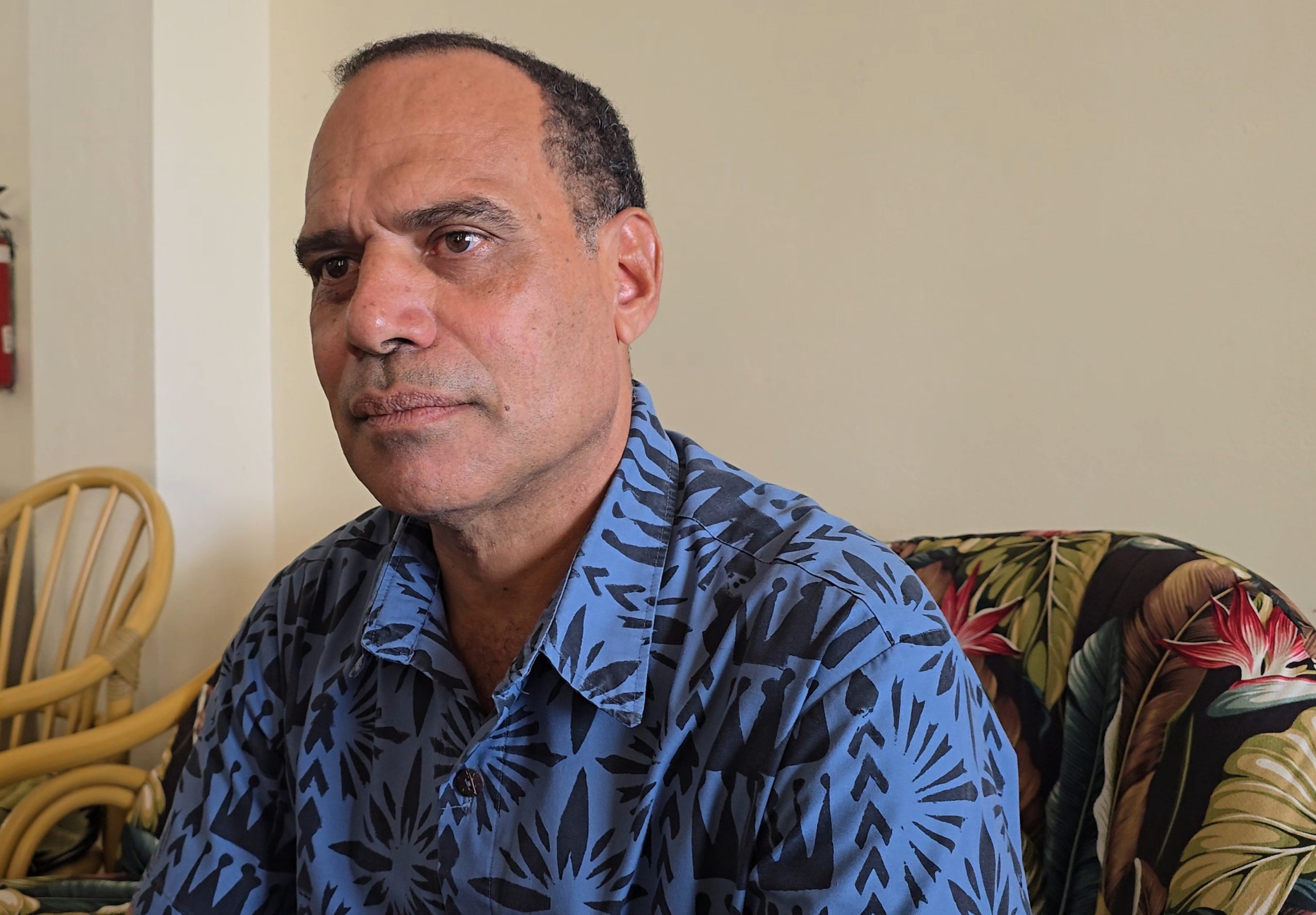
Vanuatu’s Minister for Climate Change Adaptation, Energy, Environment, Meteorology, Geo-Hazards and Disaster Management, Ralph Regenvanu, said the ocean is now central to global development conversations and must be treated as a shared responsibility across nations.
“The health of the oceans reflects the health of the people,” he said, stressing that Pacific communities have long understood the ocean as both a source of life and identity.
He said the region is now facing a “triple planetary crisis”, climate change, biodiversity loss and pollution, requiring urgent and coordinated action from governments working alongside communities.
Regenvanu highlighted recent international legal and political developments that he said strengthen the global framework for ocean protection, including the entry into force of the Convention on Biodiversity Beyond National Jurisdictions.
“We celebrate that we have had the Convention on Biodiversity Beyond National Jurisdictions ratified this year, coming into force this year, which is a huge step forward,” he said.
He also pointed to a growing recognition of ocean protection under international law, referencing a recent United Nations General Assembly outcome supporting an advisory opinion from the International Court of Justice on climate change obligations, which affirmed state obligations in relation to the right to a healthy and sustainable environment.
“This is a human right of all citizens of the world and the governments have an obligation to fulfil this right,” he said.
Across the Pacific, he noted, countries are increasingly embedding ocean governance into national policy frameworks. Vanuatu, for example, established its first Ministry of Oceans last year and passed its first National Oceans Act.
“In fact, Tonga was first and we were second,” he said, referring to the region’s early legislative leadership on oceans management.
Regenvanu said these developments reflect a broader shift that has been building since the adoption of the United Nations Convention on the Law of the Sea in the 1980s, as governments increasingly recognise the importance of sustainable ocean governance.
He said protecting the ocean is not only a political or environmental priority but also a responsibility inherited from previous generations of Pacific stewardship.
“It is our responsibility to ensure this stewardship for the future generations in the same way that it has been provided for us,” he said.
Regenvanu called for sustained cooperation between governments and communities to ensure that oceans remain healthy and resilient for generations to come.