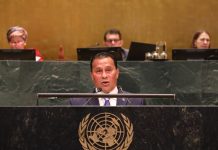

Fiji’s Permanent Representative to the United Nations Filipo Tarakinikini has issued a strong warning against a proposed $1.4 billion (US$700 million) waste-to-energy incinerator at Vuda-Saweni, saying the country risks becoming a dumping ground for foreign waste if critical questions are not answered.
Tarakinikini said the proposal demands full scrutiny before any decision is made.
“I write this not as a diplomat managing a talking point, but as a Fijian son — someone whose roots run deep into the soil of this archipelago, whose people fish those same waters off the Vuda coast, and whose faith teaches me that the earth we inherit is a sacred trust, not a commodity to be traded away for short-term convenience,” he said in a social media post.
The project, led by Australian investors through The Next Generation Holdings (Fiji) Pte Limited, has triggered public concern, which he said must be taken seriously.
“The Fijian people deserve complete, honest, and scientifically grounded information — not marketing brochures dressed up as environmental assessments.”
Tarakinikini said his own review of the proposal raises major concerns.
“I have studied the science, examined the proponents’ track record, and I am compelled to speak plainly. What is being proposed raises serious questions that the Government, the investors, and the international community must answer before a single shovel breaks ground.”
He pointed to the project’s rejection in Australia as a key issue.
“The starting point of any honest assessment of this proposal is a simple question: why is Ian Malouf bringing this project to Fiji?”
“Their ruling was ‘not in the public interest because there is uncertainty around the project’s impacts on air quality, water quality and human health.’”
He questioned why Fiji should accept a project rejected under stricter regulations.
“If this project could not meet Australia’s environmental and health standards — and was rejected after seven years of scrutiny by one of the most sophisticated planning systems in the world — why should Fiji, with far less regulatory infrastructure, accept it?”
Tarakinikini warned the proposal could amount to environmental exploitation.
“This is waste colonialism. A wealthy nation’s rejected industrial solution, repackaged and exported to a Pacific island nation where regulations are weaker and the community’s ability to resist is more limited.”
He also raised concerns about the environmental and health impacts of incineration.
“Burning 900,000 tonnes of mixed waste annually — as this facility proposes — produces a toxic cocktail of emissions.”
“Studies of communities living near incinerators have found elevated rates of cancer, respiratory disease, miscarriage, premature birth, and congenital abnormalities.”
He stressed the long-term risks to food security and public health.
“They are lipophilic — they accumulate in fat tissue and move up the food chain. Fish, shellfish, locally produced vegetables, and dairy all become vectors.”
Tarakinikini said the project would also generate large volumes of toxic waste.
“This ash does not disappear. It must be stored, managed, and contained — permanently, on Fijian soil. Australia’s waste becomes Fiji’s permanent toxic legacy.”
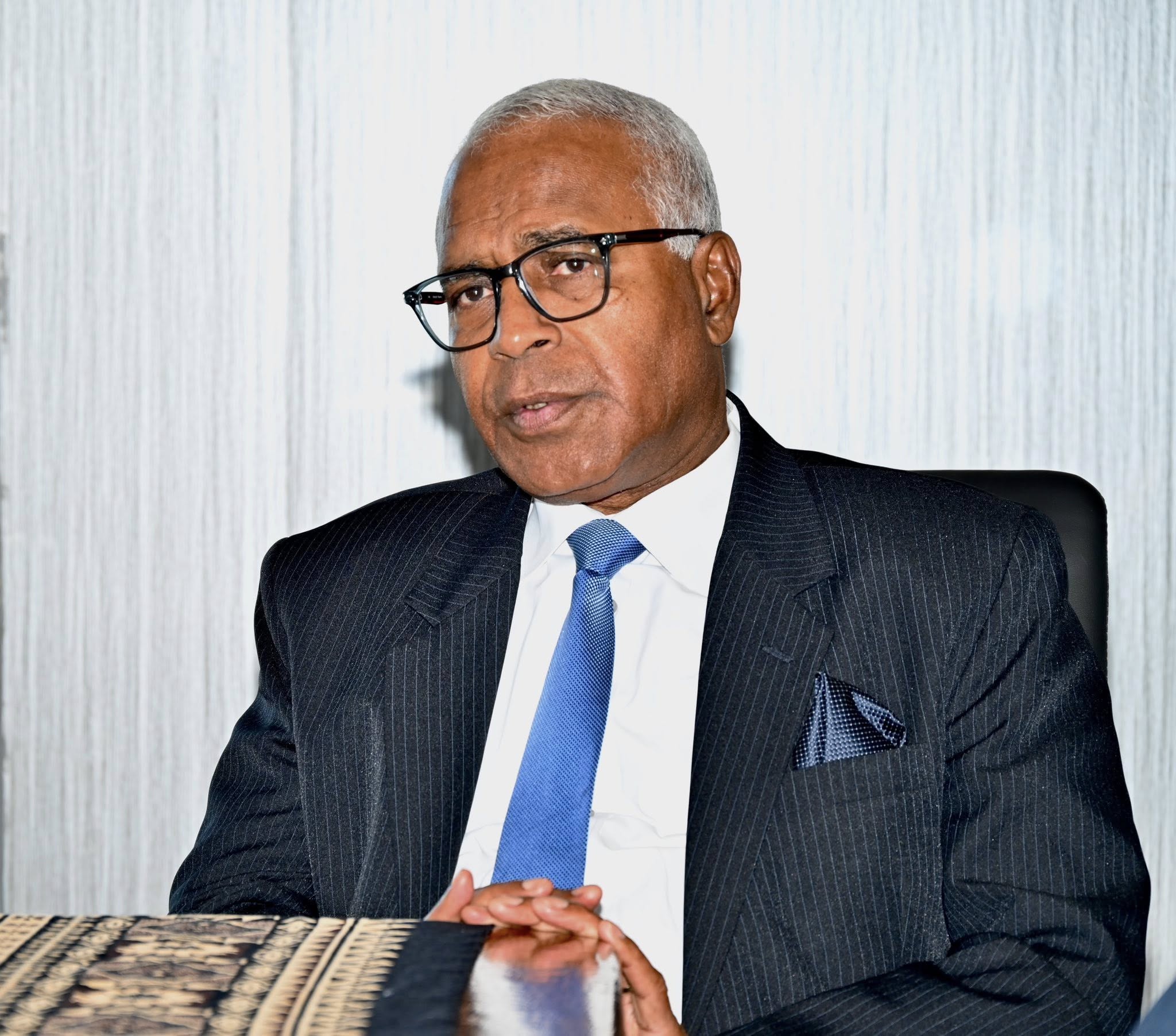
He warned the scale of the project far exceeds Fiji’s needs.
“Fiji generates nowhere near 900,000 tonnes of waste per year. The scale of this facility is not calibrated to Fiji’s needs — it is calibrated to serve a regional waste disposal market.”
He said this would turn Fiji into a regional waste hub.
“Fiji… would become the incinerator of the Pacific, processing the waste of nations with far greater means to manage their own refuse responsibly.”
Tarakinikini also raised legal concerns under international agreements.
“Under the Basel Convention… the transboundary movement of hazardous waste is tightly regulated precisely to prevent wealthy nations from offloading environmental burdens onto less powerful ones.”
He said the proposed site carries deep cultural and historical significance.
“The proposed site is Vuda Point — Viseisei — the First Landing.”
“It is among the most spiritually, historically, and culturally significant sites in the entire Fijian archipelago.”
He said opposition from communities must be respected.
“They are the custodians of that land, and their objection carries the full weight of iTaukei sovereignty.”
Tarakinikini called for alternative solutions that fit Fiji’s needs.
“The solution must be calibrated to Fiji’s scale, grounded in genuine sustainability, and must leave our children a cleaner country — not a toxic one.”
He urged investment in sustainable systems.
“It should invest in waste reduction, composting, recycling, and circular economy infrastructure that creates local jobs and reduces the waste stream at source.”
He also called for proper oversight and independent review.
“I call on the Government of Fiji to ensure the Environmental Impact Assessment process is genuinely independent, scientifically rigorous, and free from commercial pressure.”
Tarakinikini urged regional and international support.
“I call on UNEP, the Pacific Regional Environment Programme (SPREP), and our regional partners to provide Fiji with independent technical support.”
He ended with a direct message on what is at stake.
“The waters off Vuda have fed our people for generations. The land at the First Landing holds the memory of our arrival.”
“We do not have the right to trade that inheritance for someone else’s discarded problem. Only the truth endures,” he said.