

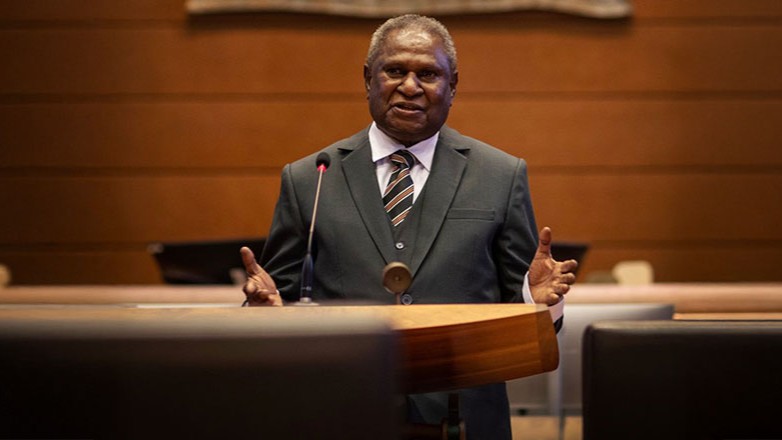
Papua New Guinea Chief Justice Sir Gibbs Salika has been referred by the Ombudsman Commission to the acting Public Prosecutor, in what the Government has described as an “unprecedented territory”.
Prime Minister James Marape, in a statement described Sir Gibbs’ referral as an unprecedented matter involving one of the nation’s most important constitutional offices.
“This is not a light matter. It is unprecedented territory for our country. The referral of the chief justice – the head of the judiciary – raises serious constitutional considerations,” Marape said.
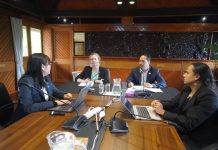
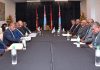
Marape directed Chief Secretary Ivan Pomaleu to convene an urgent meeting with senior officials to review the matter and ensure that the integrity of the judiciary and constitutional processes was fully respected.
The meeting is to include Pomaleu, the Secretary for Justice and Attorney-General, the State Solicitor, and the Secretary for Judicial Services.
Justice Minister and Attorney-General Pila Niningi confirmed that Sir Gibbs was referred to the Acting Public Prosecutor but had not been charged with any allegation under the Leadership Code.
Niningi, also the chairman of the Judicial Legal Service Commission, assured the public and staff of the National Judicial Staff Services that the administrative operations and functions of the judiciary would continue as normal as possible.
“The Chief Justice of Papua New Guinea was not charged but only referred in a notice by the Ombudsman Commission to the Acting Public Prosecutor. There is no tribunal set up yet,” he said.
“The constitution process shall take its course and all the administrative operations and functions shall continue as usual.”
Marape said the Government respected the independence of constitutional offices, including the Ombudsman Commission, and would not interfere with their duties.
“I have no authority to compel the Ombudsman Commission or any constitutional office holder to carry out their duties. They must perform their functions independently, and we respect that.”
Niningi said when the office of the chief justice became vacant, the deputy chief justice or, if unavailable, the next most senior judge would become the acting chief justice.