
The Pacific region faces urgent climate threats requiring coordinated, culturally grounded solutions.
And the identity of Pacific communities is threatened by severe climate impacts, including rising seas and storms which potentially could destroy.
Despite the fact that the region contributes among the lowest greenhouse gas emissions globally, it suffers disproportionate damage, and collective and coordinated regional action is critical to address these challenges effectively.
To its advantage, however, Pacific mobility is long-standing and adaptive to change, as communities have historically moved due to environmental and social shifts.
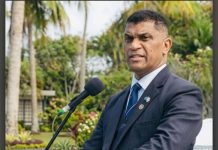
Solomon Kantha, IOM Chief of Mission for Fiji said the 2023 endorsement of the Pacific Regional Framework on Climate Mobility committed leaders to collaborative planned relocation guidelines,”
“The framework was developed with input from member countries, civil society, and customary land groups, and this launch marks a major milestone in regional climate mobility governance; the framework ensures actions are locally led and culturally sensitive.”
Planned relocation is a last resort; the priority remains to help communities stay safely on ancestral lands; retention of land ties is central to identity and well-being and is prioritised over relocation whenever possible.
Kantha said loss of land resulted in loss of culture, knowledge, and community foundations.
“Supporting safe residency aligns with the Pacific’s human rights and security commitments; policies reflect the preference for staying in place unless relocation is unavoidable.”
The Pacific Regional Framework emphasises inclusivity and cultural grounding in all mobility decisions, and it highlights respect for diverse experiences of climate change across populations.
“Rights-based approaches ensure vulnerable groups like women, youth, elders, and disabled persons are included; solutions must be adaptive and respect Pacific heritage and self-determination.”
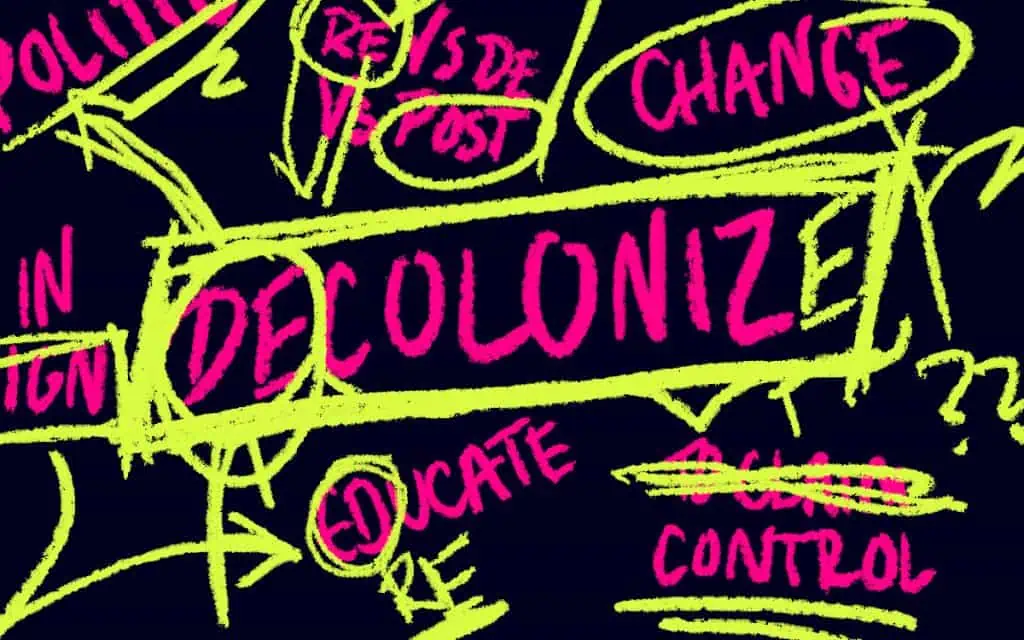
Reiterating the words of Cultural Consultant, Simione Sevudredre, he said: “Relocation must be decolonised, relational, and led by Pacific Knowledge.
“Our people are active stewards of their futures, not passive recipients of externally imposed solutions.
“Decisions must respect community protocols, the voices of women, youth, elders, children, persons with disabilities, and all vulnerable groups, and ensure that life and livelihoods continue to flourish, wherever people may go.”
The Pacific Guidance on Internal Planned Relocation offers adaptable tools for government and communities to manage climate mobility with dignity and respect.
The guidance is a collaborative product between IOM and Platform for Disaster Displacement, designed for practical use, and it supports national policies, standard procedures, and community actions, incorporating lessons from regional experiences and ongoing work.