


By Pita Ligaiula in Manila, Philippines
The Western and Central Pacific Fisheries Commission (WCPFC) Friday adopted a long-awaited management procedure for South Pacific albacore tuna, ending years of negotiation and clearing the way for the first harvest strategy for the species.
Members settled on Harvest Control Rule(HCR7),a compromise formula that Pacific states say will stabilise the fishery and major fleets say they can live with.
The decision came after days of tense discussion and last-minute compromises from key fishing nations. Chinese Taipei and China, two of the largest longline fleets in the region, dropped their preference for a higher-catch model to allow a consensus deal to go through.
WCPFC Chair Dr Josie Tamate declared the adoption a milestone for the Commission.
“The South Pacific albacore tuna management procedure is now adopted.
Thank you, members. This is a milestone for the commission, and I know there’s still a lot of work to be undertaken this year, but this is a huge win for the commission, so thank you very much for all your hard work throughout the week, and for us to reach this milestone decision,” she said.
Chinese Taipei said it accepted HCR7 only after showing what it described as its “maximum flexibility.”
“Firstly, we do appreciate the time and the effort of our FFA members and the other CCM to work closely on this critical issue,” its delegate told members.
“Our fishing fleet has a long history of operations in the Western and Central Pacific Ocean. This region is where hundreds of our vessels and tens of thousands of our fishery depend on their livelihood.”
They warned that HCR7 will bring significant cuts.
“The total fishery last year was around 63,000 metric tons. This means that more than 12 percent cuts will be made immediately from the current status after we adopt the MP.”
Despite the impact, Chinese Taipei said it would not block consensus.
“In the spirit of cooperation, we are prepared to show our maximum flexibility and compromise. We have no intention of blocking the preference of the majority member, namely the adoption of HCR 7 in the MP.”
The delegation urged members to consider its challenges during implementation.
“Lastly, we urge relevant members to take our difficulty into consideration during future formulation on implementing measures. We will continue to uphold goodwill, sincerity, and a cooperative spirit and work with all members to promote the sustainability of the resources.”
China, the largest catcher of South Pacific albacore in the region said it also stepped back from its preference for HCR10.
“China expressed its gratitude to the FFA for submitting this proposal. China is the world’s largest catcher of South Pacific albacore in the convention area of the WCPFC. The establishment of HCR bears on the core interests of China’s fishing industry.”
Despite the healthy state of the stock, China said it recognised overwhelming support for HCR7.
“Given the healthy status of the South Pacific albacore staff, China initially thought of a higher catch limit. Nevertheless, China has taken note of the broad support for the HCR7 among members of the FFA.”
China said it respected the needs of small island developing states.
“As a developing country, China fully recognises the vital importance of South Pacific albacore resources for food security, local economic, and communication stability for states. And we therefore understand and respect the position of FFA members.”
But Beijing insisted that its historical fishing record must be considered later.
“We therefore urge that in future allocation of fishing opportunities between EEZs and the high seas, historical catch records and fishing efforts be taken into full account as a key factor.”
The Cook Islands welcomed the deal and praised the collective effort that delivered it.
“Getting to this point in developing the management procedure proposal, it’s been a collective effort. Not just by the 17 FFA members, Chair, but by all the CCMs around this table.”
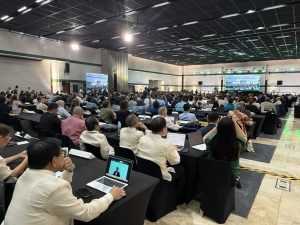 The Cook Islands said the decision sends a strong message that the concerns of small island states were heard.
“It’s taken enormous effort, compromise, and understanding for all of us to get to a point where we can really start looking at some robust management for South Pacific albacore, to improve the economic situation of this fishery.”
Acknowledging Chinese Taipei’s concerns, the Cook Islands signalled ongoing support.
“In recognition of the potential implications this might have on its fleet… FFA members undertake to work closely with Chinese Taipei and to seriously take into account its interests, challenges, and needs in the finalisation of the South Pacific Albacore Implementing Measure in 2026.”
They stressed the process is far from over.
“Our work does not end here. It will continue through to the Intercessional Working Group next year… and then again in one year’s time here at WCPFC 23.”
American Samoa said it accepted the final compromise despite earlier favouring HCR13.
“American Samoa would like to thank our fellow CCMs… and working across the floor to adopt an MP in the spirit of the interventions made by Chinese Taipei and China.”
It said a unified approach was more important than pushing for its preferred option.
“While we believe that HCR 13 would be preferential… after further review and consideration of our earlier position, we also accept HCR 7 to ensure a unified approach.”
They said HCR7 strikes the right balance.
“HCR 7 provides an acceptable, vulnerable biomass and catch stability, and will help to ensure stable market conditions while not overly restricting potential catch opportunities to CCMs.”
New Caledonia backed the adoption of HCR7.
“New Caledonia supports the adoption of the MP as proposed here, incorporating HCR 7. That will ensure that we can maintain our long-term stability in catch levels and yields.”
It thanked Chinese Taipei and China for their flexibility.
“New Caledonia thanks the delegation of Chinese Taipei and China for their flexibility in this hard and difficult negotiation.”
It stressed the need for territories to be properly included in upcoming talks.
“We would like to emphasise the need for members around the floor to fully consider our specific needs and to effectively consult and include the territories in next year’s discussion regarding the implementation measure for South Pacific albacore management procedures.”
The adoption of HCR7 is seen as the most significant step yet in securing the long-term future of the South Pacific albacore fishery — a cornerstone species for longline fleets and the economies of several Pacific states.
For now, members are celebrating the breakthrough. The harder work — allocations, implementation, and monitoring begins next year.