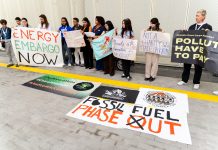

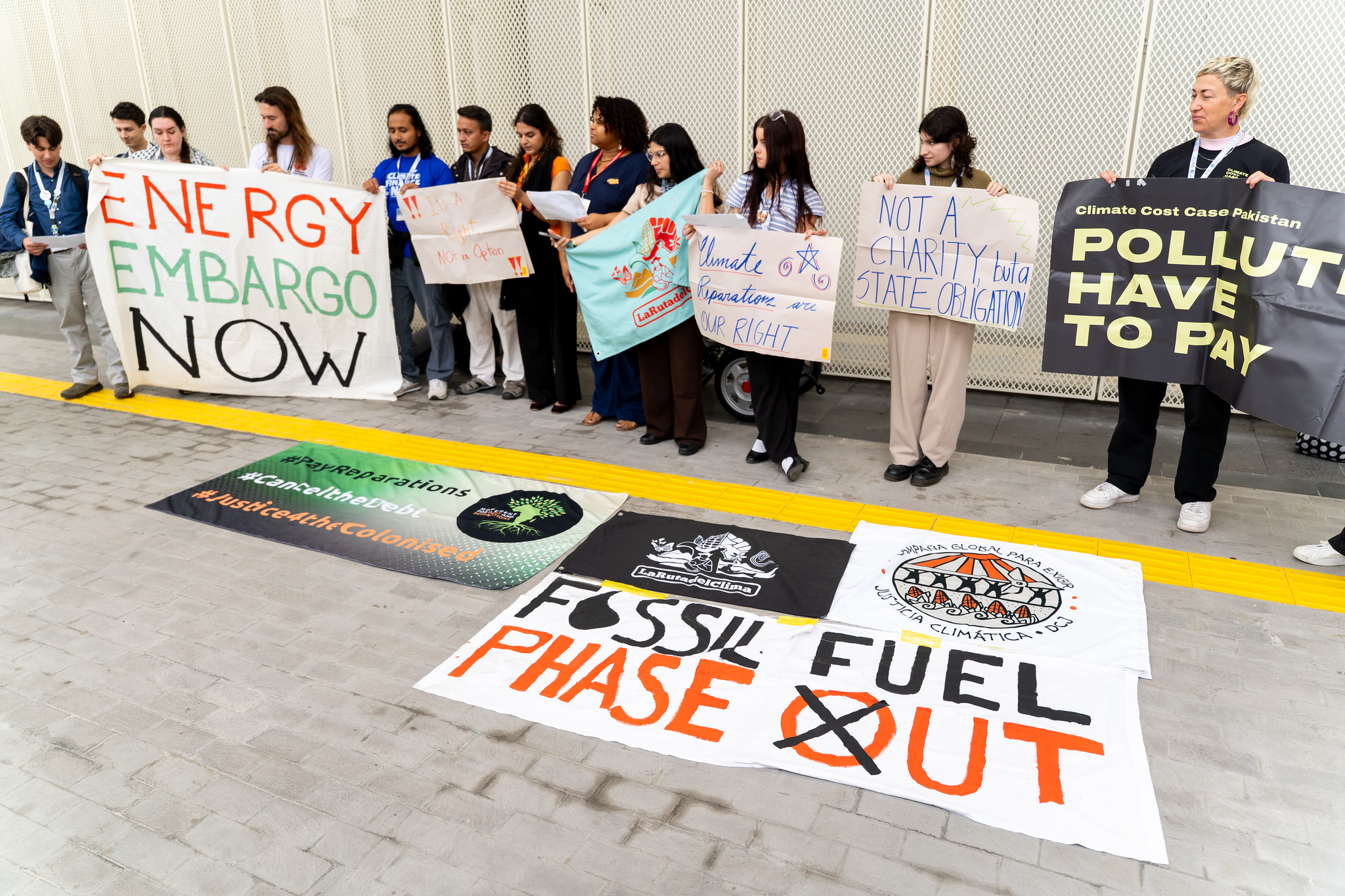
Pacific climate campaigners have condemned the latest COP31 draft decision for removing all references to transitioning away from fossil fuels, warning the move threatens the region’s fight to limit global warming to 1.5 degrees Celsius.
350.org Pacific and Caribbean Lead Fenton Lutunatabua said the removal of fossil fuel commitments from the near-final text was a betrayal of Pacific Island countries, which face some of the world’s most severe climate impacts.
The latest draft has dropped references to transitioning away from coal, oil and gas, despite calls from countries across negotiating blocs for a political commitment to advance national and global roadmaps for phasing out fossil fuels.
Lutunatabua said the outcome raised serious questions about political leadership at the climate negotiations, particularly given Australia’s role as part of the Pacific family.
“Australia calls itself part of the Pacific family, but the direction of the talks is already pointing to a betrayal of the Pacific,” he said.
“COP31 must keep 1.5°C and momentum on the transition away from fossil fuels alive.
“Every year above 1.5°C puts more pressure on Pacific ecosystems, infrastructure and lives. Yet world leaders are ignoring our reality and showing an outrageous lack of political will on phasing out fossil fuels.”
He said the region could not depend on costly and unproven technologies such as carbon capture to address the climate crisis.
“The science is clear: ending coal, oil and gas now is the only way to limit overshoot,” Lutunatabua said.
350.org has described the latest draft as an outrage, arguing that fossil fuel phase-out commitments have been sidelined while provisions supporting carbon capture and other carbon removal technologies remain.
The organisation also raised concerns that the proposed 35 percent electrification goal does not explicitly require electricity to come from renewable sources.
It said the text refers to the need for financial support and improved energy access but lacks clear measures to deliver those commitments.
On climate finance, the draft proposes an Antalya-to-Addis Ababa Roadmap on Adaptation and Resilience Finance but removes the previously referenced target of US$120 billion by 2035.
The draft also proposes a process to establish a baseline for tripling adaptation finance, rather than setting a clear baseline and milestones at COP31.
350.org Head of Political Strategy Andreas Sieber said the draft reflected a serious failure of leadership by the COP31 presidencies.
“They have reduced one of the defining challenges of our time to an inconvenient paragraph they would rather delete, while leaving the door open for fossil fuels to masquerade as clean electrification,” Sieber said.
He called on the COP31 presidencies to advance global and national fossil fuel transition roadmaps through a dedicated presidency initiative.
Sieber also criticised developed countries for failing to provide adequate climate finance, saying developing countries were being expected to carry the costs of the energy transition without the necessary support.
“Developing countries should not be expected to shoulder the costs of a global transition while rich countries refuse to provide the means to deliver it,” he said.
350.org East Africa Lead Rukiya Khamis said developing countries needed actual funding rather than further processes and delayed commitments.
“Developing countries and frontline communities don’t need another process, they need the money. COP31 must set the baseline now and get it delivered,” she said.
The organisation warned that the final decision must strengthen commitments to renewable energy, adaptation finance and accountability from developed countries.
The near-final texts remain subject to negotiations as countries work towards an agreement at COP31.