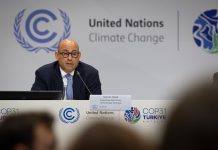
A draft COP31 agreement has warned that global warming is projected to exceed 1.5 degrees Celsius, calling for urgent emissions cuts, increased climate finance and stronger support for vulnerable countries facing worsening climate impacts.
The draft decision, prepared under the COP31 Presidency’s consultations with Parties, acknowledges that the world is making progress under the Paris Agreement but warns that the risks of exceeding the 1.5°C threshold are increasing.
It says every additional increment of warming will increase the frequency and intensity of loss and damage, with potentially irreversible consequences for people, livelihoods and ecosystems.
The draft reaffirms the commitment to limit global warming to 1.5°C and calls for efforts to reduce both the magnitude and duration of any temperature overshoot.
It also highlights the growing threat posed by extreme weather events, rising sea levels and the ongoing El Niño event, which could compound the impacts of long-term climate change.
For Pacific Island countries, the draft recognises their particular vulnerability to climate change-related sea-level rise and acknowledges their leadership, alongside other small island developing states, in seeking an advisory opinion from the International Court of Justice on countries’ obligations in addressing climate change.
Climate finance remains a major concern, with the draft identifying a significant gap between the resources developing countries need and the funding currently available.
It estimates that developing countries’ costed climate needs under their national climate plans amount to US$5.1 trillion to US$6.8 trillion up to 2030, equivalent to US$455 billion to US$584 billion annually.
Adaptation finance needs are estimated at US$305 billion annually through to 2035.
The draft stresses the urgent need for increased, predictable, public, grant-based and highly concessional finance, particularly for small island developing states and least developed countries.
It also calls for efforts to at least triple adaptation finance by 2035 and proposes an Antalya-to-Addis Ababa Roadmap on Adaptation and Resilience Finance.
The roadmap, to be developed under the guidance of the COP31 and COP32 presidencies, will identify predictable and scaled-up sources of adaptation finance, including support for responding to loss and damage.
The document also highlights the funding shortfall facing the Fund for Responding to Loss and Damage.
It notes that funding requests under the Barbados Implementation Modalities total about US$2.8 billion, compared with allocations of approximately US$342 million.
It further states that only 50 percent of the US$822 million pledged to the fund has reportedly been converted into actual contributions.
On emissions, the draft urges countries to implement their national climate commitments fully and strive to exceed their targets, while recognising that developed countries should take the lead.
It also calls for accelerated deployment of renewable energy, improved energy efficiency, stronger electricity grids and reductions in methane and other greenhouse gas emissions.
A proposed global target would increase electricity’s share of total final energy consumption to 35 percent by 2035, alongside efforts to triple renewable energy capacity and double the annual rate of energy efficiency improvements by 2030.
The draft also gives greater attention to the ocean-climate connection, expressing concern about the effects of ocean warming and sea-level rise on livelihoods and biodiversity.
It calls for stronger ocean observation systems, improved access to ocean data and technology, and greater integration of ocean-based climate action into national climate plans.
It further proposes a multi-year initiative known as the Antalya Ocean Current to strengthen continuity in ocean and climate discussions and improve the implementation of ocean-related commitments.
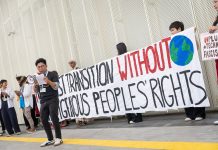
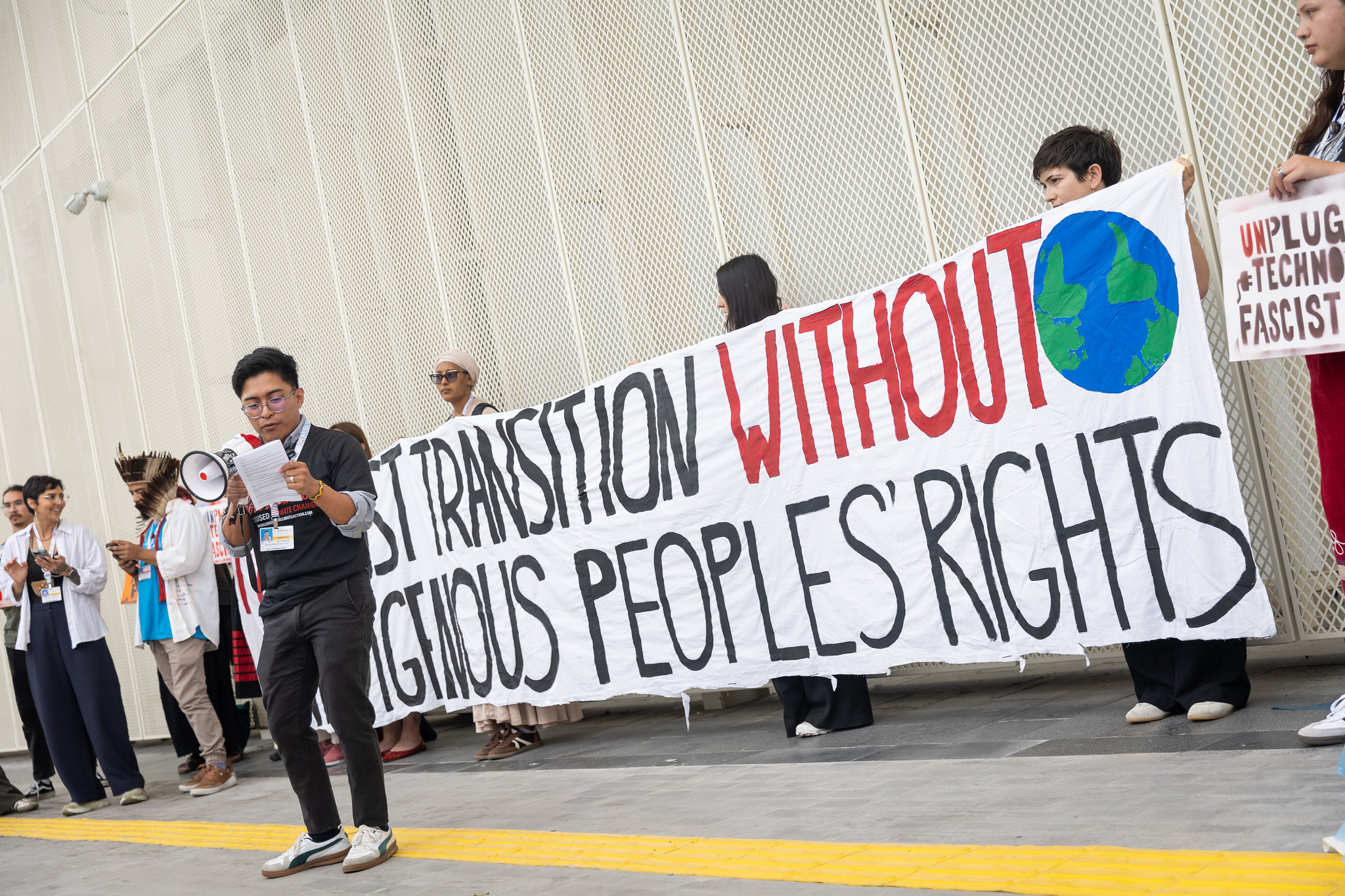
The draft acknowledges the contributions of Indigenous Peoples and local communities to climate leadership and nature conservation, while recognising the disproportionate impacts they face.
It also calls for stronger participation by women, youth, children, civil society and other stakeholders in climate decision-making.
The agreement recognises progress under the Paris Agreement, noting that 167 Parties had submitted new nationally determined contributions as of 18 November 2026, while 96 had submitted national adaptation plans.
It also estimates that full implementation of national climate plans could bring projected global warming down from more than 4°C before the Paris Agreement to around 2.6°C.
However, it warns that the remaining carbon budget consistent with limiting warming to 1.5°C is small and rapidly being depleted.
The document remains subject to negotiations among Parties at COP31. It is not a final adopted decision.