

Solomon Islands faces a high risk of money laundering, with corruption, illegal logging, illegal gold smuggling, fraud and cybercrime among the major threats identified in the National Risk Assessment.
The assessment was presented in Honiara last week by the Central Bank of Solomon Islands (CBSI), through the Solomon Islands Financial Intelligence Unit (SIFIU), with technical support from the Asian Development Bank (ADB).
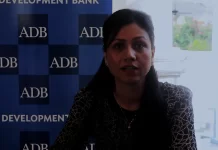
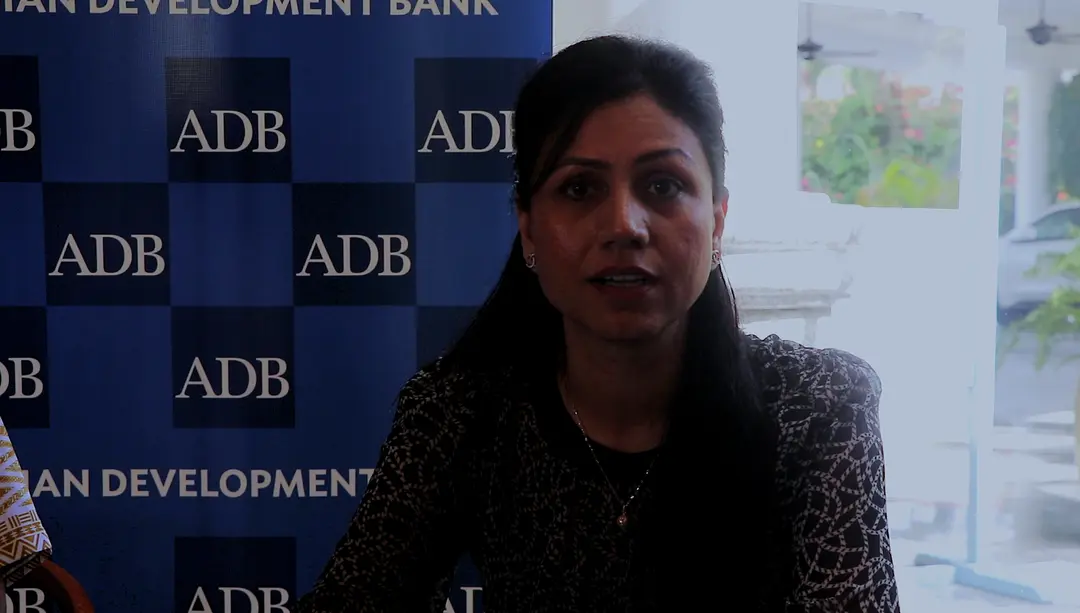
Dr Ramandeep Chhina, a Certified Financial Crime Specialist and Certified Anti-Money Laundering Specialist, told SIBC News that the assessment identified six major money laundering threats: corruption, illegal logging, illegal gold smuggling, illegal fishing, tax evasion, and fraud and cybercrime.
“The overall risk of money laundering to the country has been high,” Dr Chhina said.
She said fraud, scams and cyber-enabled crime had emerged as particularly serious concerns in recent years.
“The major one also, which is also the highest risk, is the threat from fraud, scams and cyber-enabled crime, which were particularly serious concerns. They emerged as a major threat to the country in recent years,” she said.
The assessment also found that parts of the financial system could be vulnerable to exploitation by criminals.
Banks and money transfer services were identified as highly vulnerable to potential misuse for money laundering. Outside the financial sector, casinos and dealers in precious metals and stones were also assessed as highly vulnerable.
However, Dr Chhina clarified that these findings did not mean the businesses were already being used for criminal activities.
“It’s not that they are being misused, but it’s that there are gaps, there are vulnerabilities, which can be exploited,” she said.
The assessment also raised concerns about company ownership transparency, particularly the difficulty of identifying and verifying the individuals who ultimately own or control businesses.
Tom Ha’aute of the SIFIU at CBSI said addressing the identified risks would require stronger systems, better coordination among agencies and sufficient resources to tackle financial crime.
He said reforms were needed across agencies responsible for anti-money laundering and related operational functions to ensure the country’s systems could respond effectively to emerging threats.
Ha’aute also emphasised the importance of cooperation and information-sharing among stakeholders across different sectors to help identify and investigate criminal activities linked to money laundering, terrorist financing and proliferation financing.
He said agencies needed adequate capacity and resources to carry out their responsibilities effectively, alongside stronger cooperation with regional and international counterparts.
The recommendations are reflected in a strategy and action plan being developed to address the issues identified in the national risk assessment.
Dr Chhina said the findings would help guide measures to strengthen monitoring, close existing gaps and make it harder for criminals to exploit the country’s financial system.
“The strategy and the action plan mainly focuses on how we can mitigate this risk, how we can address these gaps,” she said.
The assessment rated the risk of terrorist financing as low and the risk of proliferation financing as medium-low.
The findings highlight the need to strengthen Solomon Islands’ defences against financial crime and safeguard public confidence in the country’s financial system.