

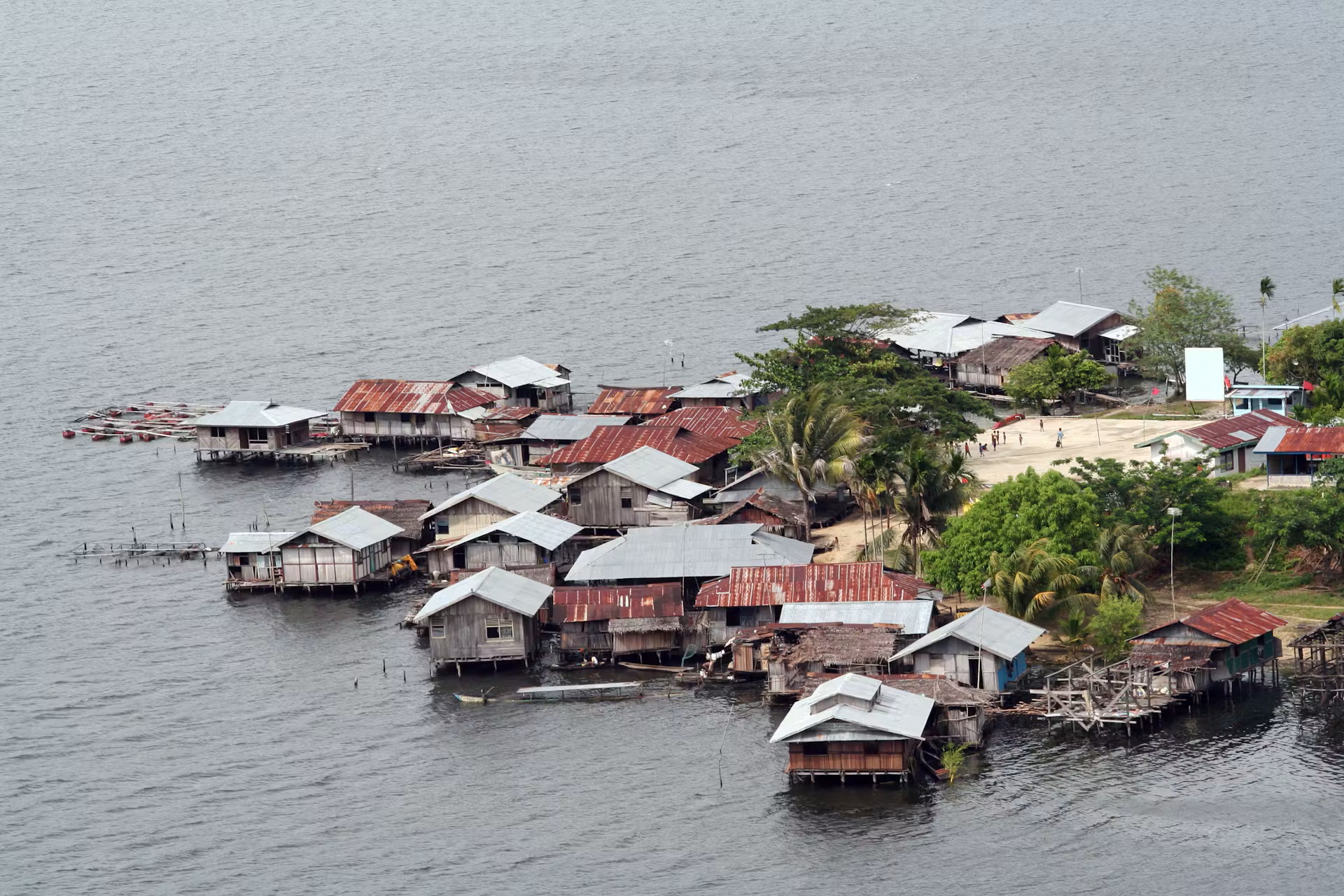
Pacific nations have warned that rising sea levels pose serious human rights and legal challenges, calling for stronger international cooperation and clear legal frameworks to protect communities affected by climate change.
Speaking during a debate on the International Law Commission’s annual report at the United Nations Sixth Committee (Legal) on 29 October, Papua New Guinea said rising sea levels were compounding existing threats to Pacific communities.
The PNG representative described the phenomenon as “a twin disaster that seriously compounds an already-grave threat for our people”.
He recalled the regional conference convened by the Pacific Islands Forum on the protection of people affected by sea level rise, stressing that the issue was fundamentally “a human-rights issue”.
He also raised concerns about gaps in regional human rights protections, including the absence of a comprehensive regional human rights architecture and institutional mechanisms that could affect the consistent application of human rights obligations across the Pacific.
Peru also highlighted the growing legal implications of rising sea levels, saying the impact extended beyond environmental concerns to fundamental questions of international law.
“As a country on the Pacific Ocean, whose communities, ecosystems, infrastructure and economic activities are closely linked to its coastlines, we know the challenges this phenomenon represents,” its representative said.
The representative said the implications of rising sea levels “transcend the environmental dimension and touch upon key aspects of the international legal order”.
He called for sustained international cooperation and legally grounded collective responses, noting the cross-border and multidimensional nature of the challenge.
Belize, speaking on behalf of concerns raised within the Caribbean Community (CARICOM), called for an international framework defining the responsibilities of affected and receiving States.
The framework should establish pathways for cross-border movement and guarantee the right to self-determination, its representative said.
She noted that although international law recognises the duty to cooperate, there was insufficient clarity on how that obligation should be applied in the context of rising sea levels.
“That question should not be left to inference,” she said.
Belize also called for further consideration of international obligations relating to cooperation, prevention and reparation.
The debate formed part of the Sixth Committee’s consideration of the first cluster of topics in the International Law Commission’s annual report, with speakers emphasising the need for legal certainty as international law responds to emerging global challenges.
For Pacific Island countries, the discussions carry particular significance as rising sea levels threaten communities, territory, infrastructure and livelihoods, raising questions about the protection of human rights and the legal responsibilities of States.