



Fiji has defended its vote in favour of ending the United States economic, commercial and financial embargo against Cuba, saying its position is grounded in the United Nations Charter, multilateralism and the humanitarian needs of the Cuban people.
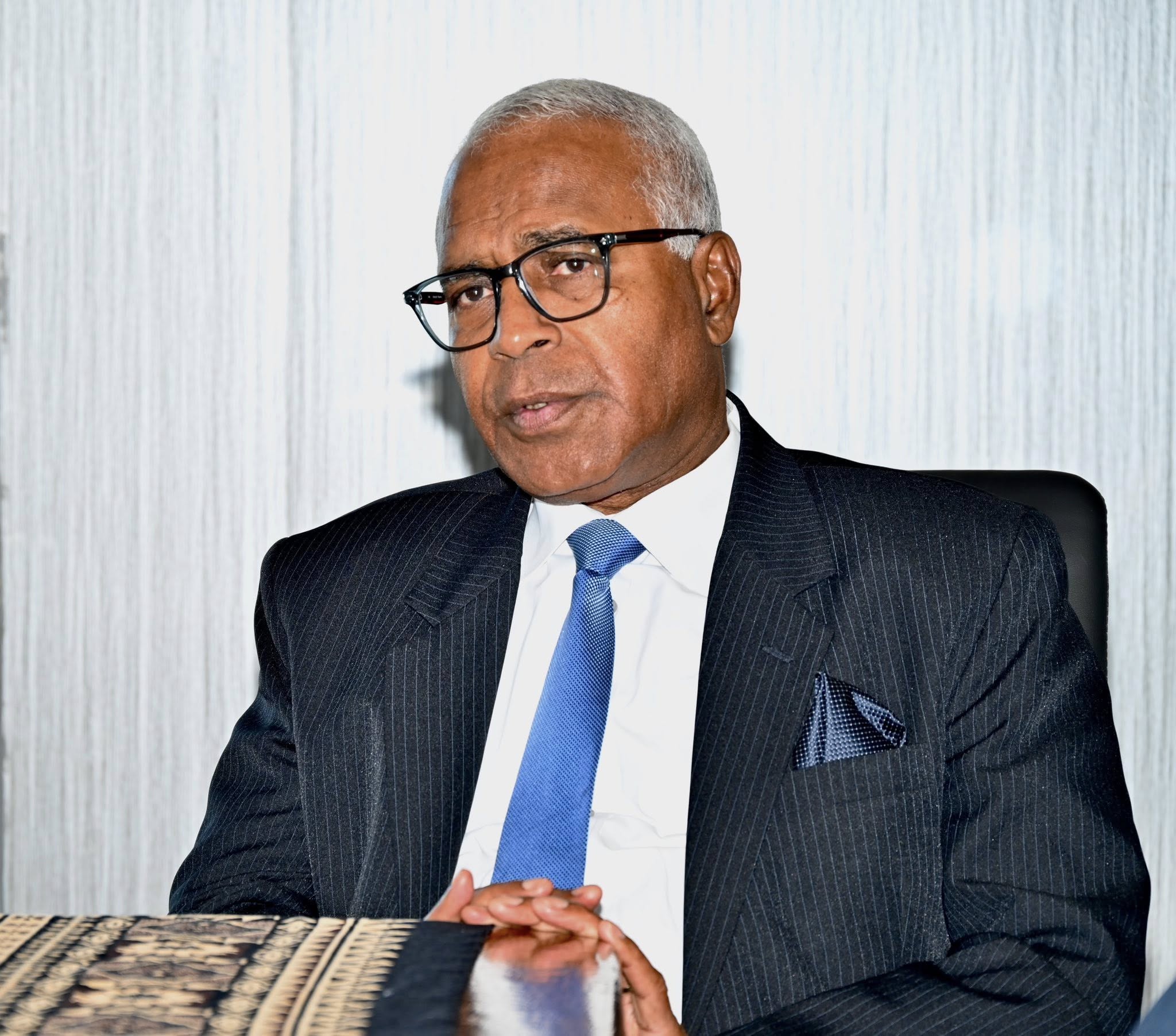
Fiji’s Permanent Representative to the United Nations, Ambassador Filipo Tarakinikini, delivered the country’s explanation of position to the UN General Assembly on 28 October, following the vote on the resolution.
Fiji said lasting solutions to international disputes and economic challenges were best achieved through constructive dialogue, cooperation and mutual respect.
The country also linked its position to the Pacific vision of an Ocean of Peace, emphasising the importance of a rules-based international order in which all nations, regardless of size, could pursue development in peace and dignity.
Fiji was among the countries supporting the resolution, which was adopted by the General Assembly on Wednesday by 130 votes to 17, with 25 abstentions.
The vote marked the 34th time the Assembly had called for an end to the U.S embargo, although support fell sharply from last year’s 165 votes in favour, seven against and 12 abstentions.
Pacific countries were divided in the vote.
Fiji, Samoa, Timor-Leste, Tonga, Tuvalu and Vanuatu voted in favour, while Palau and Solomon Islands abstained. Australia and New Zealand also supported the resolution.
Papua New Guinea, Kiribati, the Marshall Islands and Naoero were not recorded as casting votes in the voting display.
The resolution, presented by Cuba, calls for an end to the embargo and urges countries to repeal laws with extraterritorial effects that restrict trade and economic relations with the island nation.
It specifically refers to the U.S Helms-Burton Act of 1996 and argues that tougher measures introduced since 2017 have reversed earlier efforts to ease restrictions.
The vote comes as Cuba faces a severe energy crisis, with fuel restrictions worsening shortages and disrupting essential services.
U.S Ambassador Mike Waltz rejected the resolution, arguing that Cuba’s economic difficulties stemmed from its own Government rather than the embargo.
“There is no blockade,” Waltz told the Assembly.
He cited more than US$876 million in US exports to Cuba during the first eight months of 2026 and shipments from other countries as evidence that trade with the island continued.
Waltz accused Cuba’s military-run business sector of controlling resources at the expense of ordinary citizens and urged countries to oppose the resolution.
A vote against the resolution, he said, was “the only thing standing between the communist kleptocratic regime and another propagandistic victory at the expense of the Cuban people.”
Cuban Foreign Minister Bruno Rodríguez Parrilla countered that the embargo was damaging essential services, particularly healthcare.
He said infant mortality had doubled, tens of thousands of surgeries had been delayed or cancelled, and restrictions had prevented cancer medicines from entering Cuba and Cuban-developed treatments from reaching international markets.
Rodríguez displayed a counter showing the estimated cost of the embargo since the debate began on Tuesday, which had exceeded US$22.9 million.
“What Cuba demands is to be left in peace,” he said. “Cuba is not a threat, the blockade is.”
The General Assembly resolution is not legally binding, and lifting the U.S embargo requires action by the United States.