
Niue is under a yellow alert for an imminent threat of drought.
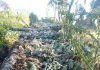
Niue’s disaster management Office says wildfires have already happened in several areas – Tualihega, Kavata, Paluki, Tumau-Alofi, Liku and Hakupu.
The government said water infrastructure and plantations have been damaged.
“The decision follows a series of fire incidents that have resulted in damage to critical water infrastructure and plantations, while also placing homes, property, and essential services at significant risk.”
The National Disaster Council has assessed that the threat has moved beyond a potential hazard and now requires immediate protective action, including a total burn ban.
It said there was an “extremely high” fire risk in Niue.
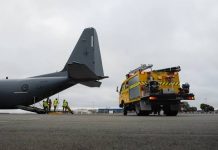
Meanwhile, the New Zealand Defence Force (NZDF) has provided a 4WD firefighting truck and equipment.
The C-130 aircraft also brought a Fire and Emergency New Zealand (FENZ) team, personal protective clothing, and drone mapping equipment with thermal imaging capability.
FENZ national commander Megan Stiffler said the New Zealand contingent will provide training and technical advice to Niue firefighting staff to help them manage wildfire risks.
The NZ High Commission in Niue said the FENZ team would provide specialist technical advice, operational planning, and logistical support to help manage ongoing wildfire risks, and will also support recovery efforts and strengthen Niue’s future fire management capability and resilience.
“This work is especially important as El Niño forecasts indicate that dry conditions in Niue will likely persist in the coming months, with the risk of bushfires remaining elevated.”
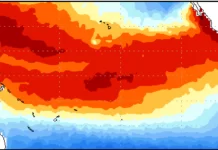
El Niño is underway in the Pacific, bringing dry conditions to several areas.
The Tonga Meteorological Service has declared drought across all major islands that make up the kingdom, including Tongatapu, Niuatoputapu, Ha’apai and ‘Eua.
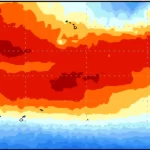
The World Meteorological Organisation said sea-surface temperatures in the central and eastern tropical Pacific are forecast to increase to record levels during October-November-December 2026.