

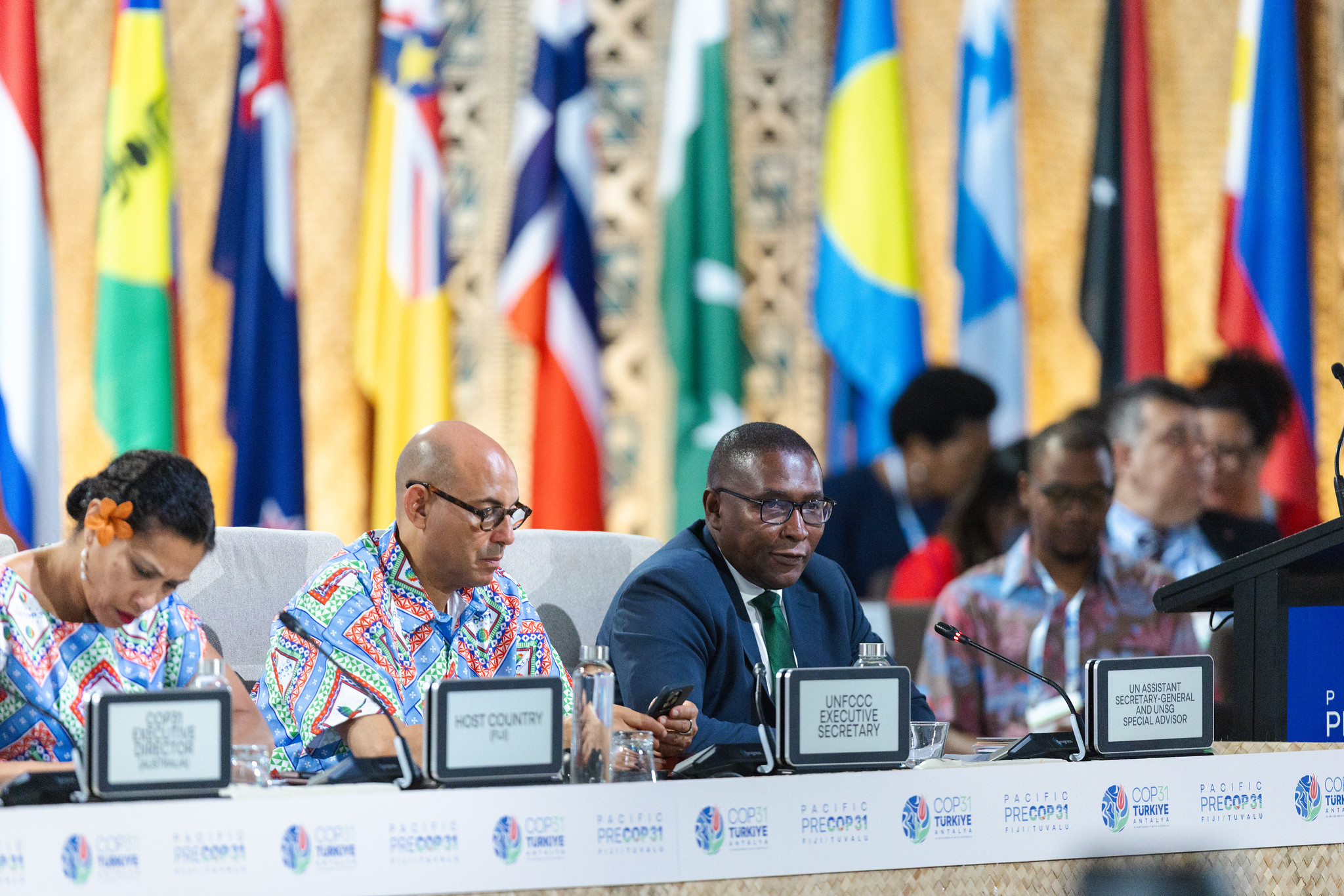
UN Climate Change Executive Secretary Simon Stiell says the world must urgently act to keep the expected breach of the 1.5°C warming limit as short and as small as possible, warning that climate impacts are already escalating.
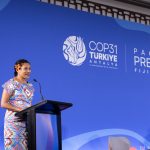
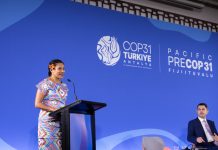
Speaking at the Pacific Pre-COP31 in Fiji, Stiell said the 1.5°C limit remained essential for the survival of small island states, even as science indicates the threshold will be exceeded.
“Limiting the rise in global temperature to 1.5 degrees Celsius is demanded by science, agreed by nations, and essential for the survival of small islands — including here in the Pacific, and in my region, the Caribbean
“But science is telling us that overshoot of 1.5 is now inevitable,” Stiell said.
He said the international response must now focus on limiting the duration and scale of that overshoot by delivering on existing climate commitments and strengthening national action.
“The world must mobilise in response. To keep the breach as short and as small as possible,” he said.
Stiell said countries must fully implement their national climate plans and exceed their commitments wherever possible.
He said the second global stocktake of climate action at COP33 must show substantial progress towards the targets identified at the first stocktake.
“By the second global stocktake of climate action at COP33, we must be much closer to meeting the targets set at the first. Laying the ground for even greater ambition,” Stiell said.
Stiell said climate impacts were worsening while preparedness remained inadequate, making stronger resilience a priority for COP31.
“Climate impacts are escalating. This will get worse as we head into overshoot. Yet preparedness lags behind.
“COP needs to acknowledge this truth, and the urgent need to strengthen resilience,” he said.
Stiell said the COP process itself must be designed to deliver practical outcomes, with governments working alongside cities, states, the private sector and other actors to accelerate implementation.
“At Pre-COP we must move discussions forward to ensure COP31 drives progress — including on 1.5 and for climate vulnerable nations,” Stiell said.
He said the Global Climate Action Agenda and formal negotiations could help countries implement their National Adaptation Plans and Nationally Determined Contributions.
Stiell also stressed the importance of climate finance, saying commitments must translate into funding that countries can access and use effectively.
“Finance is vital. Commitments must be delivered. Access and quality must be addressed,” he said.
He highlighted the Statement and Action Plan on Access to Climate Finance for Small Island Developing States and Least Developed Countries as a potential tool, but said it would require support from governments and financial institutions.
“That means those on the boards of development banks — and others — using their influence to ensure finance reaches the ground rapidly,” he said.
Stiell also backed the COP31 Presidency’s call for greater action on electrification, including a target for electricity to account for 35 percent of global energy use by 2035.
He said electrification presented a major opportunity for small island states to reduce fossil fuel dependence, lower costs and strengthen resilience.
“Electrification is a golden opportunity, particularly for small islands: to break free of fossil fuel dependency — bringing down costs, building resilience, and powering sustainable development,” he said.
Stiell said responding to the risk of exceeding 1.5°C was also about addressing immediate economic pressures, including volatile fossil fuel markets, escalating disasters and the growing economic case for clean energy.
“It is in every nation’s immediate interest to act,” he said.
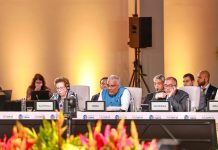
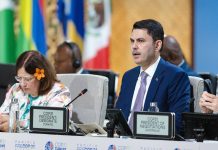
The Pacific Pre-COP31 brings together world leaders and senior representatives ahead of COP31 in Türkiye, with Pacific countries pushing for stronger climate finance, adaptation support and action to protect vulnerable island communities.