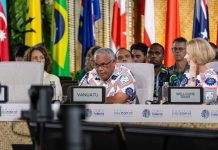


Papua New Guinea Prime Minister James Marape has backed the Taku Pakasoa Declaration but warned Pacific leaders and the international community that climate commitments must now translate into action.
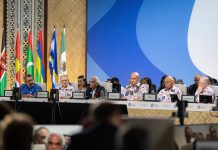
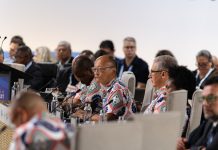
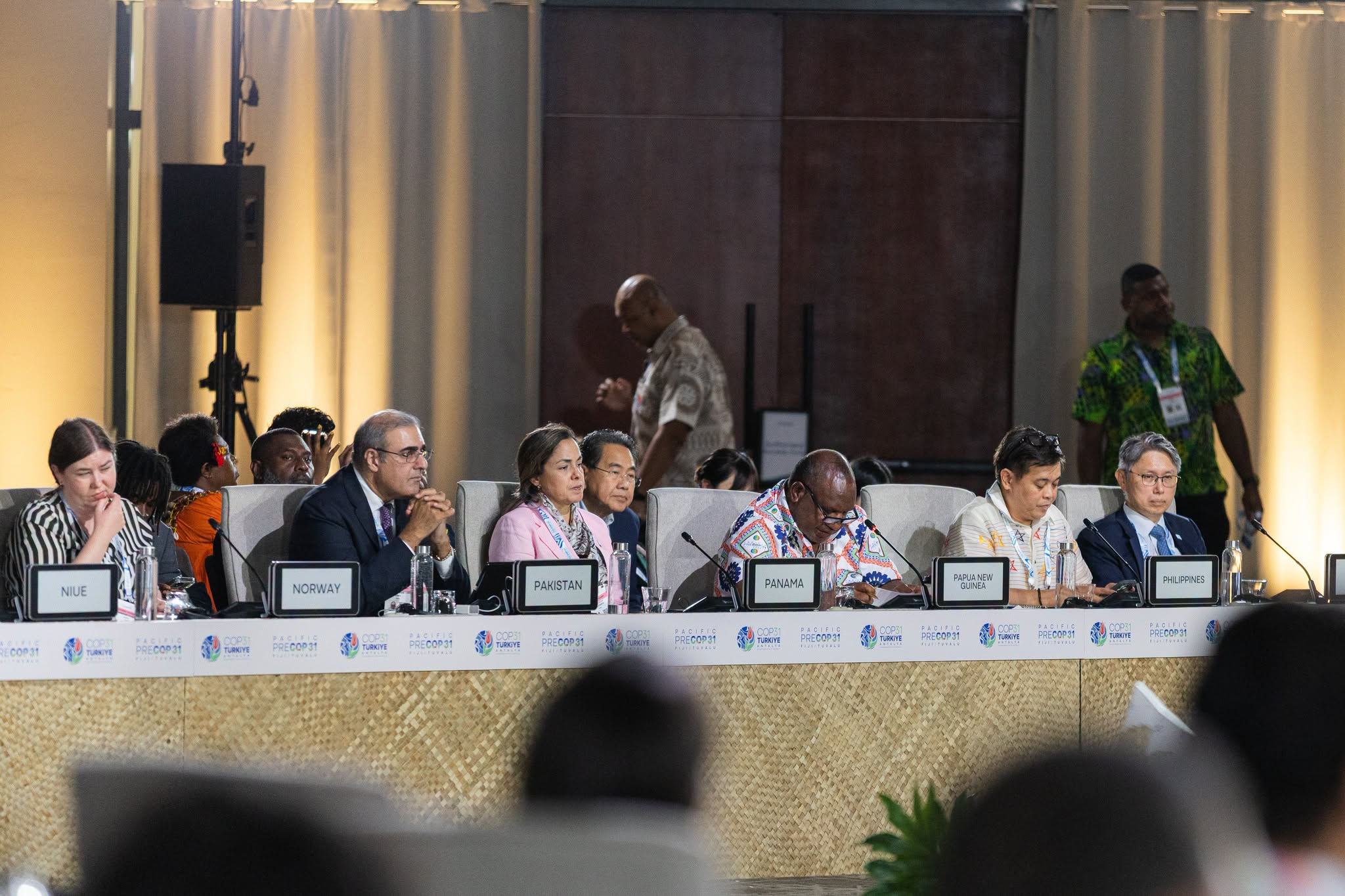
Speaking at the Pacific Pre-COP31 Leaders Plenary in Denarau, Marape said the region had repeatedly identified the climate crisis and could no longer afford further delays.
“As we move towards Türkiye and COP31, I want to pledge Papua New Guinea’s fullest support to the latest declaration here.
“It is now time for us to implement what we pledge,” Marape said.
Marape called on international organisations, major carbon-emitting companies and countries with large carbon footprints to honour their climate commitments.
“It is time we act and it is time we honour our commitments,” he said.
He said the transition to clean energy must happen urgently if the world was to keep the 1.5-degree Celsius temperature goal within reach.
“Transition to clean energy, something that must take place right away if we want to maintain our temperature below 1.5 degree,” Marape said.
He said Pacific island countries were among the first to experience the consequences of climate change.
Marape pointed to Papua New Guinea’s experience, saying two Polynesian communities had experienced climate-related displacement about a decade ago.
Marape recalled attending the Pacific Islands Forum Leaders’ Meeting in Funafuti seven years ago and said stronger action since then could have made a difference to Tuvalu’s future.
“Had we acted in between 2019 and today, Funafuti, if not Tuvalu’s entire future, would have been secured,” he said.
Marape thanked Australia, New Zealand and other Pacific countries for supporting vulnerable small island states.
He also acknowledged the Green Climate Fund, its contributors, the United Nations and other partners supporting countries facing the impacts of climate change.
But he said financial and political commitments must now lead to tangible results.
“Today is not a time for us to talk and hopefully something substantial happens.
“Instead of talking, we know what is at stake. We must act now,” Marape said.
He said action must include an accelerated transition to clean energy, protection of oceans and preservation of forests, which he described as critical carbon sinks.
“Action means transition to clean energy at the very earliest. Action means protecting our oceans and protecting our forests who are carbon sinks,” he said.
Marape also expressed solidarity with communities affected by climate-related disasters, including Nepal, saying the impacts of climate change were being felt across the world.
He urged leaders to remember the concerns raised by young people as they make decisions on climate action.
“Tonight and today and onwards, let us hold the hands of the children who have spoken in our face as we make deliberations like this,” he said.
“We’ve talked enough. It is now time for actions and implementation,” he said.