
Solomon Islands is bringing government, provincial, research and community expertise together to shape its first National Loss and Damage Policy and Investment Roadmap, turning climate evidence into priorities for action and finance.
Honiara- Solomon Islands ministries, provincial leaders, researchers and civil society are shaping the country’s first dedicated policy for responding to climate impacts that can no longer be avoided.
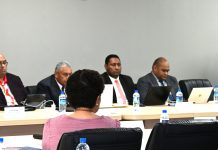
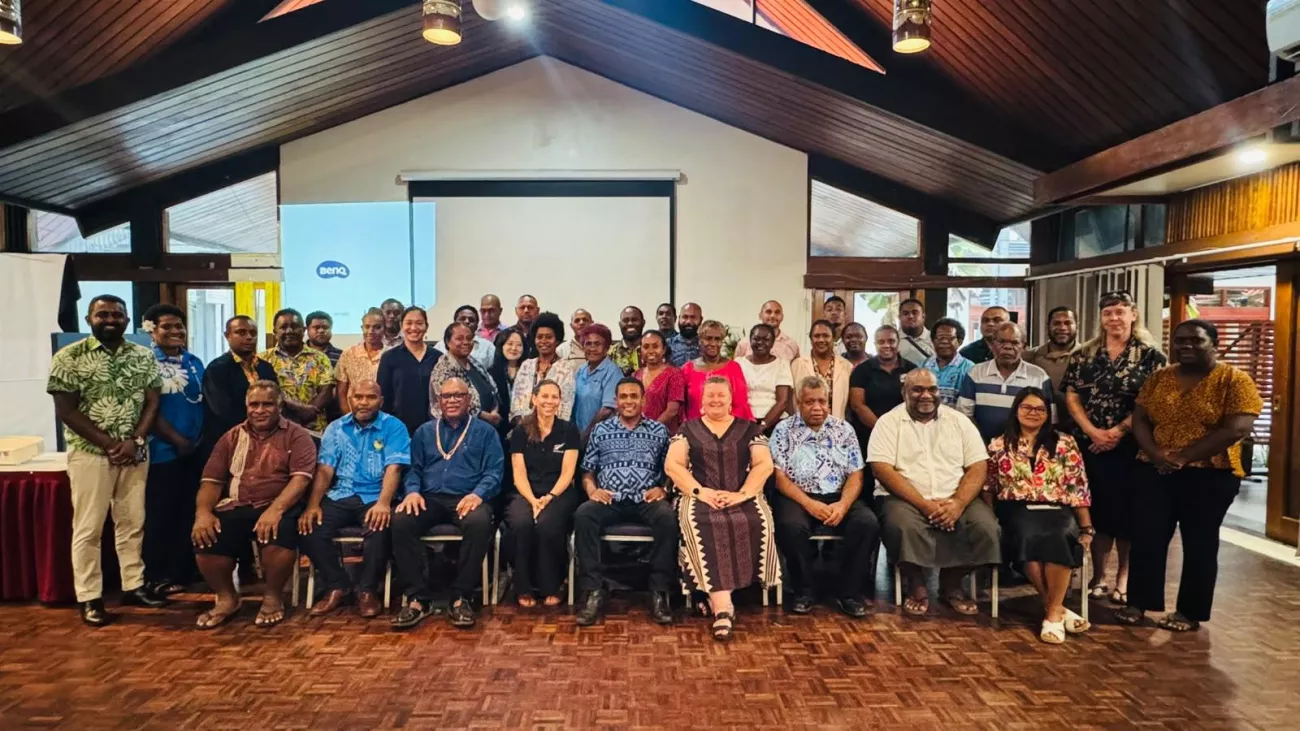
Consultations held from 10 to 13 August are bringing national evidence and practical experience into the draft National Loss and Damage Policy and Investment Roadmap.
The Government of Solomon Islands, through the Ministry of Environment, Climate Change, Disaster Management and Meteorology, (MECDM) is developing the documents with the Pacific Community drawing on support from the Regional Pacific NDC Hub and its Climate Change and Sustainability Division.
Once finalised, the policy will guide how responsibilities are shared across government, while the roadmap will identify the financing and investments needed to put national priorities into action.
Loss and Damage refers to climate impacts that occur despite efforts to reduce emissions and adapt. It includes costs that can be measured, such as damage to infrastructure, businesses and livelihoods, as well as losses that are harder to value in monetary terms, including loss of life, health, land, ecosystems, cultural heritage and community ties.
Karl Kuper, Deputy Secretary Corporate MECDM Climate Change Division within the Ministry of Environment, Climate Change, Disaster Management and Meteorology, said the policy must be practical for Solomon Islands.
“We need this policy to work in Solomon Islands, not only on paper. That means listening to ministries, provinces and communities about what they are already facing, where the gaps are and what support is needed”.
For Solomon Islands, these impacts carry a significant economic cost. The country’s first Biennial Transparency Report to the United Nations Framework Convention on Climate Change cites estimated average annual climate-related losses of US$79 million, equivalent to 8.69 percent of GDP. The report notes that the total could be higher because the estimate does not include losses from floods and droughts.
The consultation programme includes meetings with government officials responsible for climate change, tourism, social services, commerce and labour. Provincial representatives, civil society and faith-based organisations, Solomon Islands National University (SINU) development partners and other national stakeholders are also contributing.
Discussions covered climate impacts and recovery in tourism; the needs of women, young people, children and persons with disabilities; and risks to businesses, jobs and livelihoods, particularly for smaller enterprises.
Provincial representatives raised local financing, planned relocation and implementation through provincial and ward-level structures. Civil society and faith-based organisations shared community experience, while SINU advised on research, climate information, monitoring and the skills needed to support the policy.
The first draft draws on national and international research, existing climate policies and legislation, institutional arrangements, financing mechanisms and initial stakeholder discussions. The current consultations are testing its proposed vision, objectives, responsibilities and priorities, identifying gaps and assessing what can be implemented. Participants are also reviewing the Investment Roadmap’s financing options and investment concepts to connect the policy with practical opportunities that government and its partners can develop and finance.
Michelle DeFreese, Loss and Damage Funding Coordinator at SPC’s Climate Change and Sustainability Division said the consultations were connecting national evidence with the investment priorities identified by Solomon Islands.
“This event is an important step in the process and will help to ensure that the final policy reflects the reality being experienced by communities affected by climate change and incorporates a variety of perspectives. from academia, civil society and community-based organisations. This multi-stakeholder consultative process will help to strengthen the policy so that it is ultimately more effective for responding to loss and damage.”
Feedback from the consultations will inform revisions to the policy and roadmap before both documents are reviewed by the Ministry and SPC, formally validated and submitted for government approval.
The timing extends beyond the national process. As Pacific countries prepare for Pre-COP31 in Fiji and COP31 in Türkiye, Solomon Islands will have stronger evidence of what Loss and Damage means nationally, where investment is required and how international finance can respond to country and community priorities.