
The Organisation of African, Caribbean and Pacific States (OACPS) must strengthen its institutions, improve coordination and focus on implementation as it responds to growing global challenges, Secretary General Moussa Saleh Batraki said as the organisation marked its 51st anniversary.
In a statement marking the anniversary, Batraki said the occasion was an opportunity to reflect on the organisation’s progress since its Golden Jubilee and its continued evolution.
“We mark the 51st anniversary of the Organisation of African, Caribbean and Pacific States. One year after celebrating our Golden Jubilee, this occasion invites us not only to look back with pride but also to reflect on the steps we have taken since then.
It is a moment to recognise how the OACPS continues to evolve, to renew itself, and to respond to the priorities of its Member States in a changing international environment,” he said.
Batraki said the 11th Summit of OACPS Heads of State and Government in Malabo, Equatorial Guinea, had set the direction for the organisation’s next phase.
“This year has been an important one for our Organisation. The 11th Summit of OACPS Heads of State and Government, held in Malabo, Equatorial Guinea, gave renewed political direction to our common project.
Through the Malabo Declaration, our leaders reaffirmed their commitment to a transformed, revitalised and more effective OACPS, one that is better equipped to deliver concrete results for its peoples,” he said.
He said the organisation has remained united for more than five decades.
“For more than five decades, the OACPS has remained a family of nations united by solidarity, cooperation and a shared belief in the strength of collective action. Across Africa, the Caribbean and the Pacific, our Member States have continued to stand together in support of sustainable development, peace, resilience, equity and a fairer place in the global economy,” he explained.
The Secretary General said unity has enabled the organisation to advocate on major issues affecting its members.
“This spirit of unity has always been at the heart of our Organisation. It has allowed us to speak with one voice on issues that matter deeply to our peoples, from climate action and development financing to trade, social justice, digital transformation, and the needs of small island developing states, least developed countries and landlocked developing countries,” he said.
Batraki said the current global environment requires a stronger collective response.
“Today, that unity is needed more than ever. The world around us is changing rapidly. Multilateralism is under pressure, inequalities persist, climate-related disasters are increasingly affecting our countries, and the global development landscape is becoming more complex and uncertain,” he stressed.
He said the OACPS must continue to reform to remain effective.
“In this context, the OACPS must continue to adapt. Renewal is no longer only an aspiration. It is a responsibility. It requires stronger institutions, clearer priorities, better coordination and a greater focus on implementation. It also requires sustained commitment from our Member States, particularly as we work to strengthen the financial sustainability and long-term viability of our Organisation,” he emphasised.
Batraki said the Malabo Declaration provides the framework for the organisation’s future work.
“The Malabo Declaration has given us a clear framework for this next phase. It calls on us to modernise our ways of working, deepen our Member States’ ownership, mobilise resources more effectively, and ensure that our decisions translate into concrete action.
It also reminds us that the OACPS has a vital role as a platform for dialogue, cooperation, and strategic engagement across the Global South,” he said.
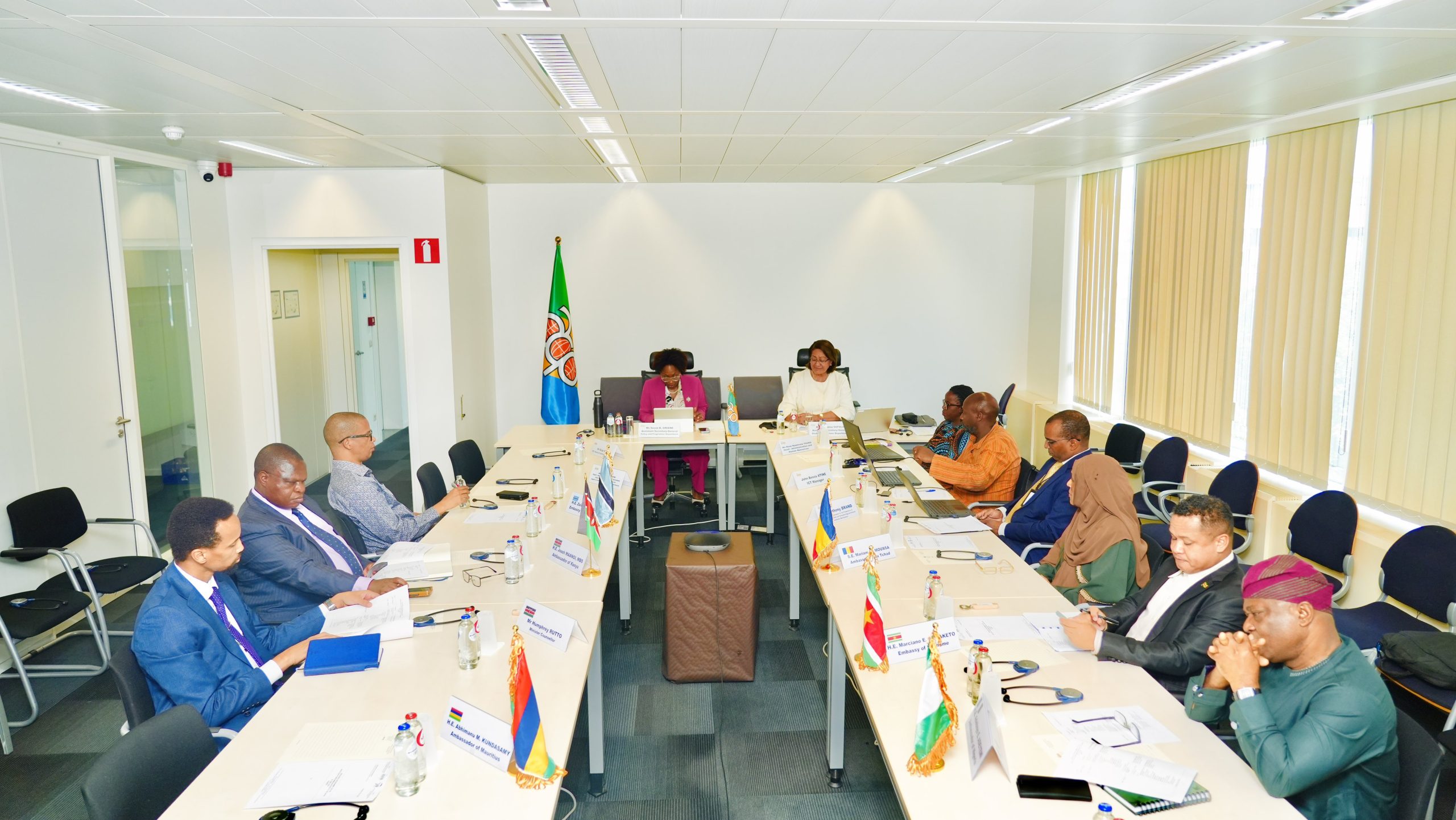
Meanwhile, the OACPS Secretariat has launched its inaugural Induction Programme for newly Appointed Ambassadors, reaffirming its commitment to strengthening institutional engagement and supporting Member States in fulfilling their diplomatic mandate within the Organisation.
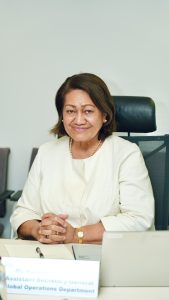
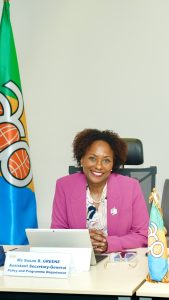
Held on behalf of Secretary-General Moussa Saleh Batraki, the programme was led by Susan Branker-Greene, Assistant Secretary-General for Policies and Programmes, and Katalaina Sapolu, Assistant Secretary-General for Global Operations.
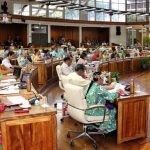
The induction introduced newly appointed Ambassadors to the work of the organisation including OACPS’ mandate, institutional architecture, strategic priorities and key governance frameworks, while fostering dialogue on the Organisation’s vision for a transformed organisation.