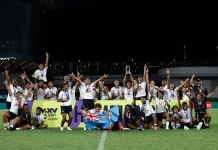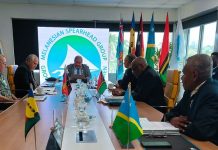

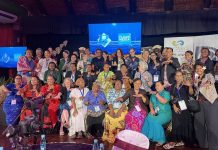
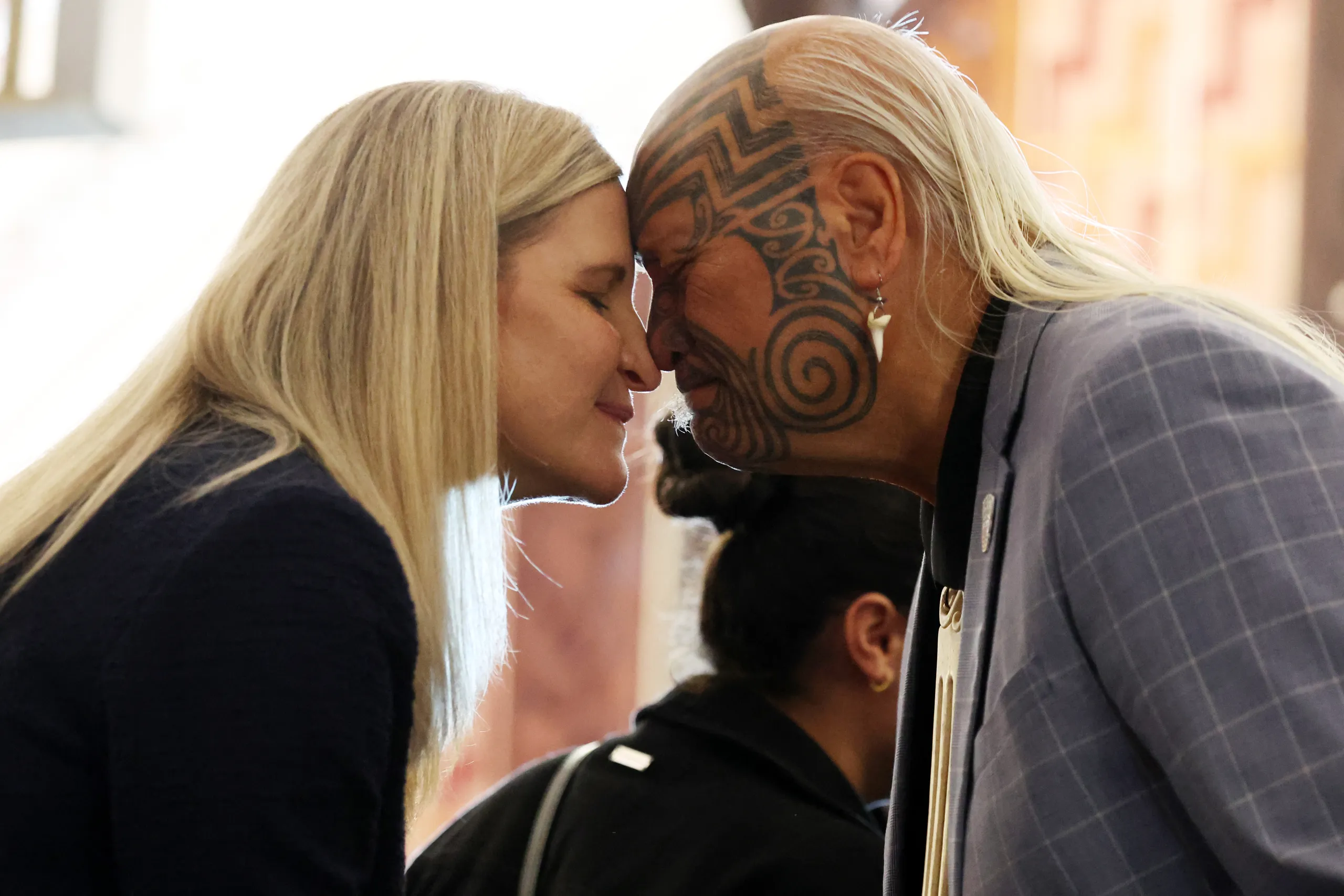
The Oceania National Olympic Committees (ONOC) conference, taking place this week in New Zealand, is shining a spotlight on the future of global sports and the aspirations of the city as a future Commonwealth Games host.
The meeting couldn’t come at a better time for Auckland’s interests, as if it goes well, it would achieve the ultimate goal: to gain the full confidence of International Olympic Committee President Kirsty Coventry.
The event will be naturally attended by the Zimbabwean chief, in what marks her first official visit to the region since taking office. Hosts’ best practices would involve urgently addressing the restructuring of global sports in the wake of recent bidding crises and the anticipated renewal process for the Commonwealth Games.
Auckland then officially reaffirms its interest in hosting the 2034 edition, which will follow Ahmedabad 2030, India’s long-held dream finally coming to fruition, and which seeks to serve as a stepping stone toward the culmination of its aspirations: the 2036 Olympic Games.
In New Zealand, the hope follows the same path, although it remains to be seen whether the country has what it takes, a question the NZ Herald examined earlier this year.
Following the financial collapse of Victoria’s bid for the 2026 Games and Glasgow’s subsequent intervention to save this year’s edition on a reduced scale, the viability of the Commonwealth Games is under close scrutiny.
The CEO of the New Zealand Committee, Nicki Nicol, noted months ago that the country has already submitted a formal expression of interest for 2034, arguing that the federation’s new guidelines grant more flexibility to hosts, allowing them to carry out Games spread across multiple cities to reduce costs and ensure local economic benefits.
The South Pacific nation has a track record of success in hosting the Commonwealth Games: it previously hosted the event in 1950 (Auckland), 1974 (Christchurch), and 1990 (Auckland). The 2034 bid would end a 44-year hiatus since the country last hosted the Games.
Local outlets such as Sport Nation report that, despite a packed agenda during her brief time on these shores, Coventry has so far liked what she has seen and heard.
“ONOC has come together to review different parts of its constitution and to define where they want Oceania to go, and how that future will be delivered. I’m here to support this initiative wholeheartedly, and I’m looking forward to the conversations ahead,” the former Olympic swimming champion remarked.
Coventry also noted that, in Lausanne, her biggest challenge is “connecting with people from all over the world”. Looking at the programme, “we don’t want it to be centred on Europe, Oceania or Africa”, the 42-year-old executive explained, before adding that it truly “must represent all of us globally”.
“The Commonwealth sport organisation is focusing on Glasgow, which will take place in about 60 days, then on the Youth Games in Malta next year, and then, obviously, on Ahmedabad, India, in 2030. That’s their projected calendar,” added New Zealand Olympic Committee President Liz Dawson in a recent media appearance.
The next Commonwealth Games, commonly referred to as Glasgow 2026, are among this year’s major multi-sport events, scheduled from 23 July to 2 August, and set to be staged in Scotland’s largest city. They will be the fourth Commonwealth Games held in the United Kingdom, following the 1970 and 1986 editions in Edinburgh, and the 2014 Games in Glasgow.
The process to decide the binding host for 2034 will formally open once the Glasgow Games have concluded.