


Regional systems must better connect intelligence and operations to disrupt growing transnational crime networks.
This was highlighted during the Police Ministers Meeting at the 2026 Pacific Transnational Crime Summit in Nadi, Tuesday.
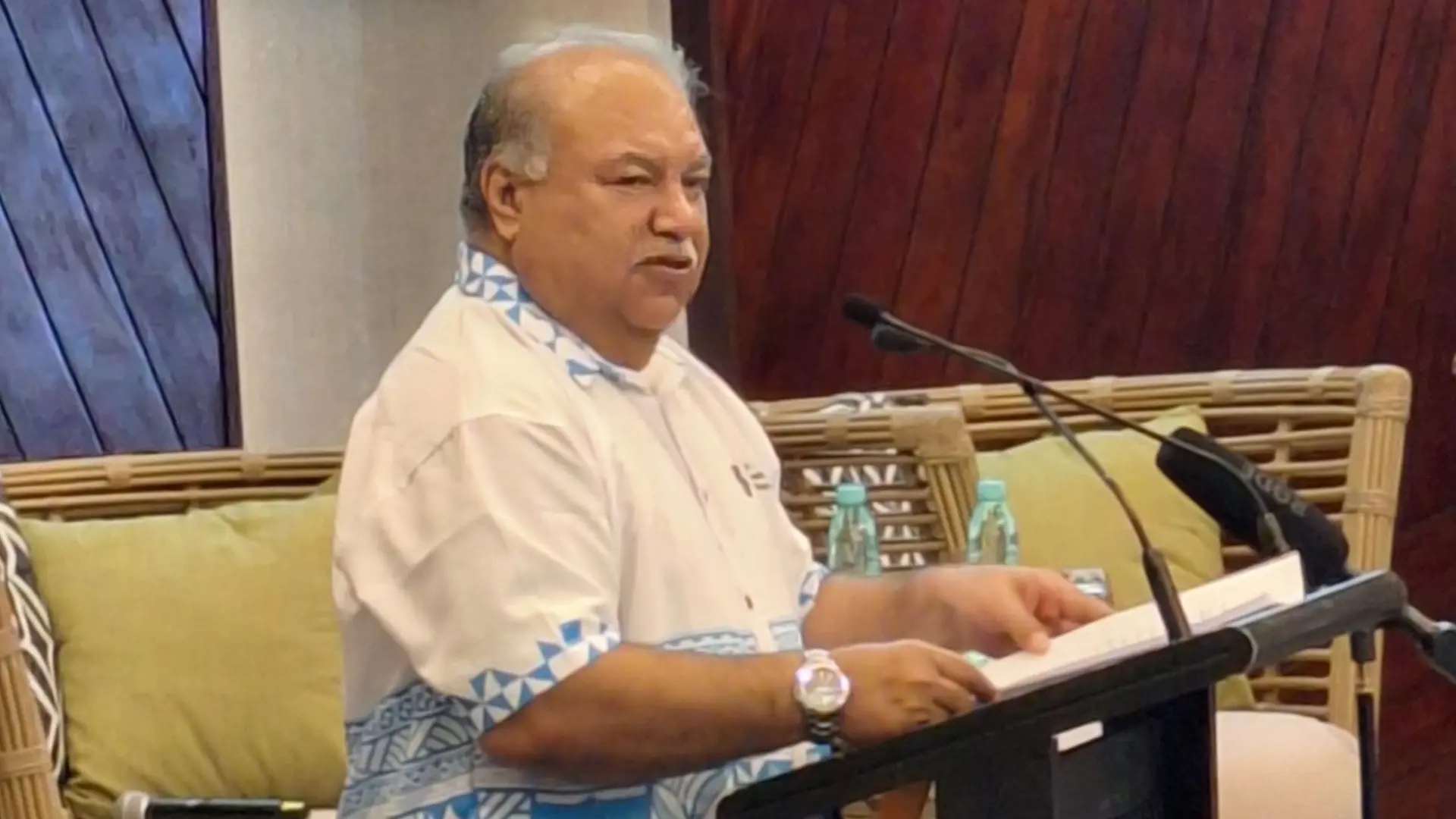
Pacific Islands Forum (PIF) secretary-general Baron Waqa warned that criminal syndicates were becoming more organised, sophisticated, and systemic across the region.
Waqa said Pacific leaders had already provided a clear mandate through regional security frameworks, but challenges remained in turning strategy into coordinated action.
“Forum leaders have given us a clear mandate; the scale, sophistication, and impact of transnational organised crime, particularly illicit drugs, require a coordinated and collective regional response,” he said.
“That response must be Pacific-led, grounded in our shared values, and anchored in the frameworks of our leaders.”
He said the region now faced evolving threats involving maritime logistics, financial flows, cyber-enabled crime, and weaknesses in legislative and regulatory systems.
“What has changed in recent years is not only the volume of transnational crime affecting our region but also its character. Criminal networks are now organised, adaptive, and systemic,” he said.
He said regional briefings pointed to a shared reality.
“The region is generating stronger intelligence and analysis than ever before, and it possesses significant national and regional assets,” he said.
Waqa stressed that while Pacific nations were producing stronger intelligence and analysis, the key challenge remained how effectively regional systems connected intelligence, operational priorities, and cooperation.
“The objective is to more effectively disrupt criminal networks operating to and through the Blue Pacific. Importantly, this meeting recognises that transnational organised crime is not solely a law enforcement challenge; its impacts are felt in our communities, in our economies, and within our institutions,” he said.
He also called for stronger ministerial oversight to bridge the gap between political direction and operational delivery across the Blue Pacific region.