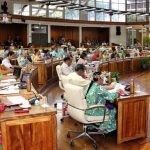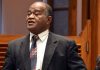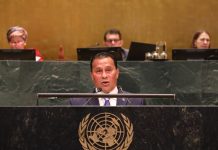

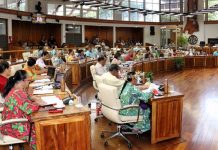
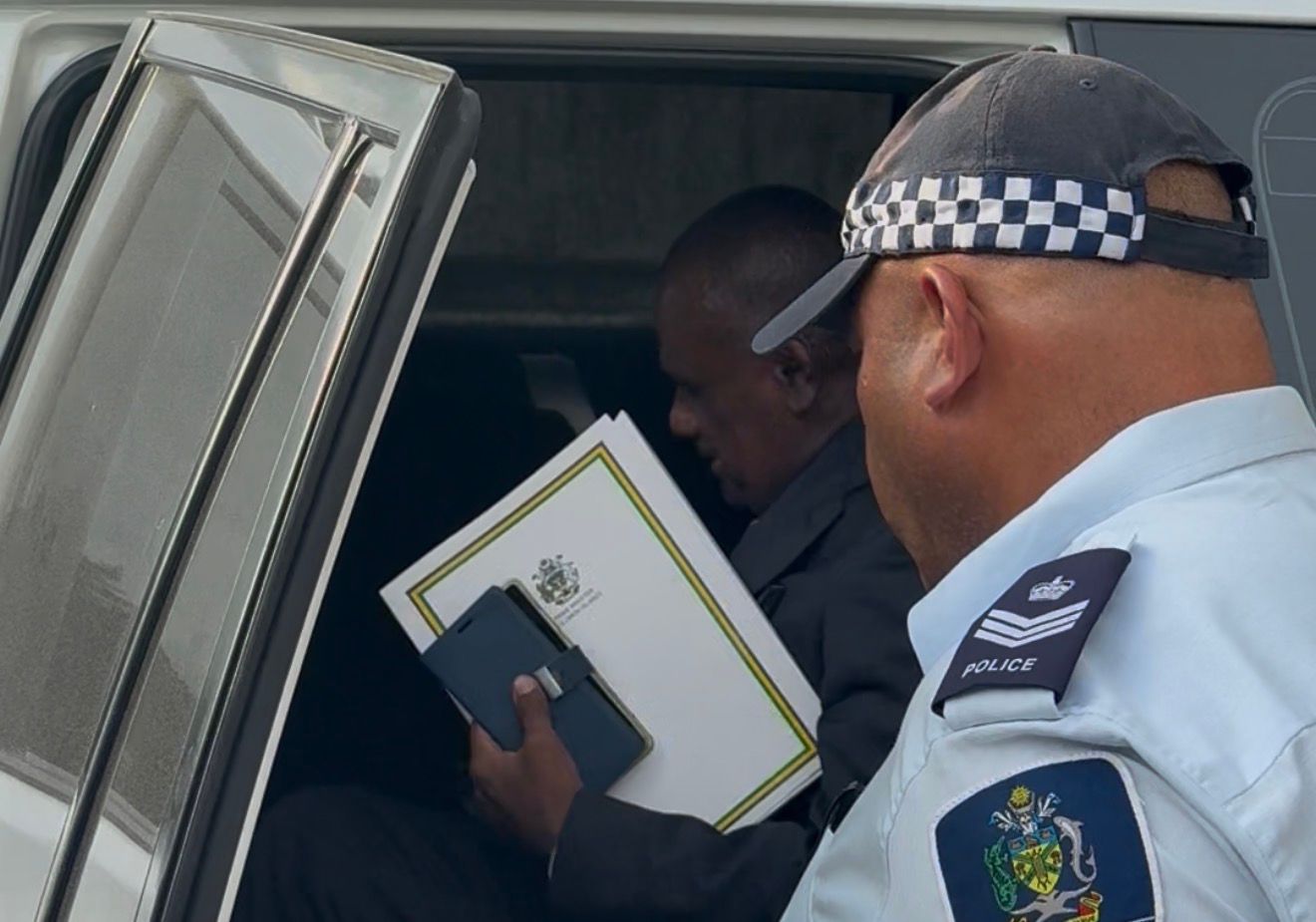
Solomon Islands Prime Minister, Jeremiah Manele was removed from office Thursday, following a decisive vote of no confidence in the National Parliament, in a day of intense political drama.
The motion, which brought a close to months of political deadlock and a seven-week stand-off, passed with 26 votes in favor and 22 against, meeting the constitutional threshold for removal.
Two other MPs, John Dean Kuku of North New Georgia Constituency in the Western Province and Ulawa-Ugi MP, William Marau were absent during the voting.
Former deputy PM under GNUT, Frederick Kologeto, the MP for South Vella Lavella and a leading member of the Solomon Islands People’s First Party was the mover of the motion.
Following the announcement of the result by Speaker Patterson Oti, Parliament was adjourned to allow the Governor General to begin the process of electing a new Prime Minister.
Manele, who just days ago at a press conference signaled he was prepared to resign on the floor if he lost support, remained composed after the tally was finalised.
“I hope as leaders, we will continue to work for the betterment of this country,” Manele told lawmakers.
“It is important for both sides of the house to continue to work together to deliver goods and services for people going forward”.
“I’m fine. Perfectly okay.
“That’s how democracy works,” Manele told Journalists outside of parliament, after the motion.
The path to Thursday’s vote was marked by a significant legal struggle.
The Manele administration had faced an impasse since March 2026, triggered by the defection of 19 government ministers and the exit of two coalition partners.
Manele had avoided recalling Parliament for nearly two months, a move he defended until a recent court ruling ordered him to convene the house by 07 May .
Ahead of the vote, Manele heavily criticised the judiciary, claiming that the court’s intervention set a “dangerous precedent” for parliamentary independence.
This political shift is being closely watched across the Pacific and by international diplomats, as Manele’s Government for National Unity and Transformation (GNUT) was known for its close strategic ties with Beijing.
Manele will remain in a caretaker role until the Governor General officially removes him and a successor is chosen.
The Governor General will now coordinate with political parties to facilitate the election of the next Prime Minister.
The atmosphere in Honiara remains calm but expectant as the nation prepares for its next chapter of leadership.
Speaking in parliamenty, Manele urges his colleagues to prioritise national stability over political division.