Home Blog Page 94

Pacific climate advocates welcome pre-COP31 meeting in Fiji and Tuvalu

0

Climate advocates across the Pacific will now prepare for the pre-COP31 meetings in Fiji and Tuvalu, with the Pacific Islands Forum confirming the hosts Thursday.

350.org Pacific welcomes the announcement that Fiji will host the pre-COP31 meeting and Tuvalu will host a special leaders’ component, under an agreement negotiated between Australia and Turkey.

Fenton Lutunatabua, 350.org Pacific & Caribbean Programme Lead says: “We welcome the pre-COP31 meetings to our islands, but we expect the Pacific to serve as more than just a backdrop to these discussions. As people on the frontlines, we expect leaders to not only bear witness to our realities, but to let this drive both the agenda and the expectations for COP31.

Meaningful leadership from impacted communities is important to secure COP31 outcomes that safeguard our future, especially as a current draft of the key COP31 agenda excludes any mention of fossil fuels – the leading cause of the climate crisis.

Fiji and Tuvalu bring more to the table than their position as climate-vulnerable island states. Both nations have repeatedly pushed for stronger climate commitments in multilateral spaces, and our people have always told the world what they refused to hear: that the climate crisis is the greatest threat to humankind, and what was once a future threat is on our doorstep today.”

Jacynta Fa’amau, 350.org Pacific Campaigner says: “As both a Pacific Islander and an Australian, I look forward to clear roles and mandates for our Pacific host nations in the pre-COP31 process. The Australia-Turkiye co-presidency gives us the opportunity to engage our communities in the islands as well as the diaspora, in holding the COP31 presidency accountable for the task at hand. Our communities have so much on the line in this fight, and the COP31 presidency would benefit from leaning into the rich experience of Pacific peoples in navigating the impacts and solutions to this crisis.”

Dr Rufino Varea, Pacific Islands Climate Action Network Director says: “We welcome this announcement by PIF following political consultation on the COP31 Pre-COP. As preparations move forward, there must be clarity on the role the Pacific will play in shaping the agenda and guiding outcomes within the Australia and Türkiye co-presidency. Hosting must go beyond geography and reflect meaningful leadership in substance, priorities and decision making. These processes must translate political visibility into concrete outcomes that advance justice and ambition for all, while centring the lived realities of frontline communities.

China is reaping all the profits”: Palau president urges more private U.S investment in Pacific

0

In an exclusive interview with Hawaii News Now, Palau President Surangel Whipps, Jr, talked about efforts to attract more U.S investment in the region to balance increasing investment and influence by Chinese companies.

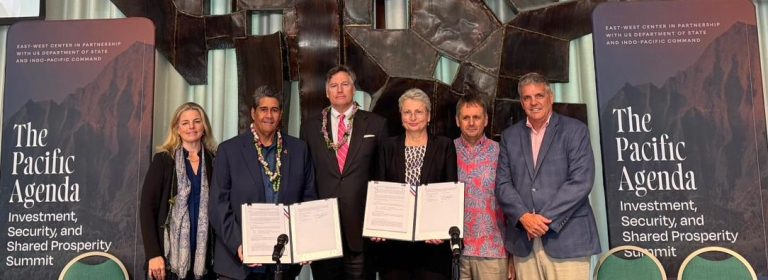
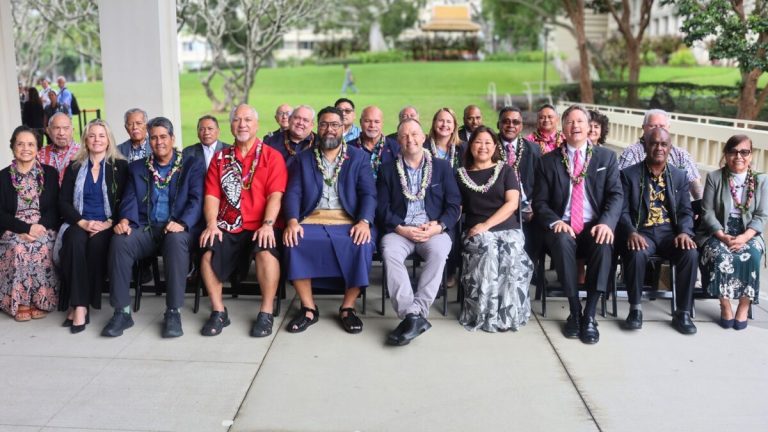
Whipps was among the Pacific Island leaders attending the inaugural Pacific Agenda Summit with U.S government officials and business executives at the East-West Centre this week.

The two-day conference focused on “Investment, Security, and Shared Prosperity,” with a number of deals signed through the U.S Trade and Development Agency, including a feasibility study to be led by local firm Architects Hawaii Limited into building a new modern hospital on Palau.

Whipps says Palau’s current hospital has a poor design and “salty concrete” and is being held up by shoring jacks.

He says a new, disaster-resilient hospital is critical to care for members of the Freely Associated States (FAS) who serve in the U.S military, but don’t return to Palau because of the lack of medical care.

“We serve at some of the highest rates of any state or any country, and we want those veterans to return home,” he said.

FAS encompasses the Federated States of Micronesia, the Republic of the Marshall Islands, and the Republic of Palau, which have a “Compact of Free Association” (COFA) with the United States. The renewed compacts include provisions to provide care for those veterans.

“We keep them home, and then it builds local capacity,” he added. “So better doctors, better nurses, better biotech people, all that builds in it. And when you have that ecosystem at home, it’s higher-paying jobs. It keeps the money circulating in the economy.”

Whipps said he’s grateful for U.S. investment, and conferences like this one are an opportunity to target where the investments go.

“This is an opportunity for us to really look at what is really needed, and maybe target that investment so that it’s better spent because at the end of the day, it’s U.S. taxpayer money, and it should be about resilience, building partnerships together, and make us all stronger together,” he said.

Whipps said that while the United States is Palau’s largest bilateral partner in education, healthcare, and infrastructure, China is currently Palau’s largest private sector investor, with investments in hotels.

“To me, they’re reaping all the profits that really the investment that the United States and the United States taxpayer put in, they’re not reaping the benefits,” Whipps said. “We want to see Marriotts, we want to see Hiltons, we want to see U.S participation.”

During the summit, U.S Deputy Secretary of State Christopher Landau affirmed the importance of improving infrastructure and bringing in U.S investors across the Pacific, not just for regional security but also for economic growth.

Whipps said one way Palau can expand its economy is through tourism due to its proximity to Asian markets.

“We look at our area as really being the Caribbean of Asia,” he said.

Whipps added that Palau is three and a half hours from Hong Kong, four and a half from Tokyo, and five from both Seoul and Singapore.

“We’re their backyard, and with so much population right there, I think the tourism potential is huge,” he said. “But it’s the right kind of tourism and the right kind of investment that we want to see.”
Whipps said he’s looking at Hawaii and Guam to model Palau’s tourism investments.

“We want to create a place where, you know, low impact, but people that come and respect our culture, enjoy the environment,” he said. “We’ve always believed that we’ve been blessed with tremendous biodiversity. Not only below the ocean, which we’re world famous for, but above the ocean with the flora and the fauna.”

He said United Airlines launched direct flights from Tokyo to Palau in October, operating 22 flights per week, after he raised the idea at a meeting at the U.S Chamber of Commerce in Washington. Whipps said those flights are performing well.

Whipps said the U.S is also helping Palau develop a master plan for its airports to address both military and private sector needs and is upgrading Palau’s port for naval readiness. He said the deeper port could open opportunities for U.S cruise lines to route through Palau, Yap, Guam, and Saipan.

Whipps said Palau is well known for its environmental protections and said they balance protections with production.

“I think that’s our signature … and that really comes from our culture, which for thousands of years we’ve practiced what we call the ‘bul,’” he said.

“Bul” is a traditional Palauan conservation practice where chiefs would come together and impose temporary restrictions on resources before reopening them, such as prohibiting fishing in specific reef areas, managing fish harvests and designating no-take zones to allow ecosystems to recover. He said that model has expanded over decades into formal policy.

He said a 1956 preserve in the Rock Islands has been a no-entry, no-take area since its establishment. In 2015, Palau passed a law closing 80 percent of its exclusive economic zone to fishing, which Whipps said was the largest EEZ protected at the time. Palau was also the first country at the United Nations to ratify the Biodiversity Beyond National Jurisdiction (BBNJ) Agreement, or “High Seas Treaty,” covering areas beyond national jurisdiction.

He noted that Palau has completed marine spatial planning identifying a 50-mile buffer around its reefs as the most critical area to protect, which accounts for approximately 30 percent of its waters.

Whipps said Palau has faced issues with Chinese vessels entering Palau’s exclusive economic zone without permission to conduct research, and that China has assigned Chinese names to undersea features within Palau’s extended continental shelf.

Palau is set to host the Pacific Island Forum and leaders conference later this year, with the theme “BELAU.” — an acronym standing for “Building Economies: Life. Action. Unity.” The theme is inspired by Palau’s indigenous name, centring Pacific peoples, cultures, and oceans in policy-making.

He said the forum will be combined with the Pacific Islands Conference of Leaders (PICL), which includes Hawaii and U.S territories such as Guam, Saipan, and American Samoa.

Whipps said priorities for his chairmanship include a transition to 100% renewable energy, ocean investment, and building resilience against sea level rise and storms.

“We know it’s part of protecting the homeland, but we also know that as the Pacific islands, there are geopolitical threats,” Whipps said. “The best way to maintain peace is through strength.”

“We can have cruise ships, or we can build AI centres or whatever other opportunities that are out there, and that’s what we talk (about) when we talk about shared prosperity, so I hope that the taxpayers see it as it’s bigger than just defence and security,” he said.

“There’s also economic opportunity, so your investments come and let’s share together in the prosperity,” he said.
Former Cook Islands PM urges continued Cook Islands–New Zealand partnership

0

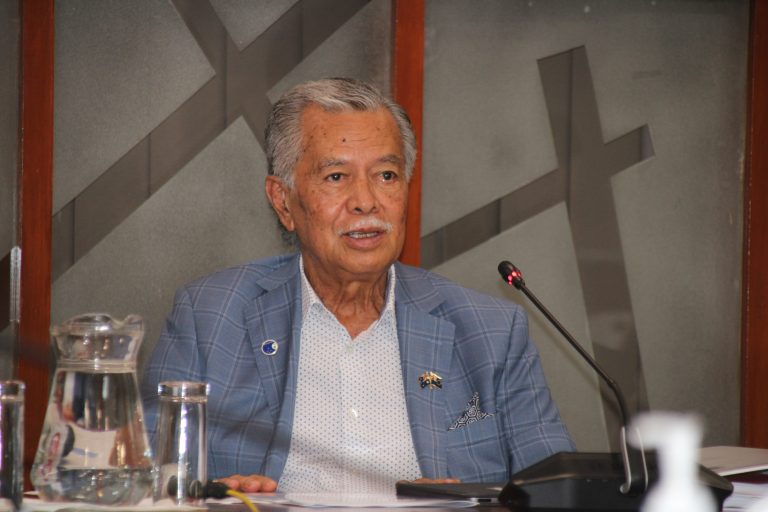
Former Cook Islands Prime Minister Henry Puna says constitutional ties remain vital as funding suspension discussions continue behind closed doors

Speaking on Pacific Mornings, Puna says Cook Islanders recognise the importance of preserving their constitutional relationship with New Zealand.

His comments follow a multi-million-dollar funding suspension confirmed last year after relations between the two countries became strained.

“We are New Zealand citizens and we want to maintain that relationship for the future,” Puna says.

“The Prime Minister made that very clear in his constitution speech last year.”

The Cook Islands marked 60 years of free association with New Zealand last year. Under the constitutional arrangement, the Cook Islands manages its own domestic affairs while Aotearoa is responsible for defence and foreign affairs and provides budgetary support.

Both countries are preparing for general elections this year.

New Zealand Foreign Affairs Minister Vaovasamanaia Winston Peters says discussions between the two countries are ongoing but could take time to resolve.

“There’s still a work in progress, no updates at the moment, but that probably is because we’ve just finished the Christmas season, it’s the new year and everybody’s gone back to work,” Peters told Pacific Mornings recently.

Responding to a suggestion by Niue Prime Minister Dalton Tagelagi about the need for a Realm Roundtable session during the same interview, Peters said he’s open to hearing anyone’s suggestions.

“I would not jump to a conclusion and give you a response until we’ve thoroughly considered such an idea but that’s the Pacific way,” Peters told PMN.

Puna says there’s been progress privately with a high-level visit expected soon.

“I understand that there has been movement behind the scenes, not in public and I believe that pretty soon, maybe in the next couple of weeks, our Prime Minister will be in New Zealand, to discuss that very issue.”

He says despite geopolitical pressures and growing global interest in the Pacific, Cook Islands voters are likely to prioritise economic performance and stability over foreign policy tensions.

As Cook Islanders head to the voting booth this year, Puna reaffirms his confidence in the Cook Islands Party which he was made president of last July.

“If we can campaign on the basis that the government has been solid, stable, and has generated economic growth for the country over the past 15 years, then people are not blind, they can see and they can appreciate that.”

Puna also touches on his new position as the interim director of the Pacific Islands Development Programme at the East-West Centre following a renewed and expanded strategic focus on Pacific economic security beginning this year.

“I remember meeting President Obama here [in Hawai’i] with other Pacific leaders when he was President, and then just before I hosted the forum in Rarotonga in 2012, we met Hillary Clinton here at the East-West Centre.

“So, in many ways, you know, East-West Centre is a convening, a meeting place between the Pacific and the U.S,” he said.

Tonga Rugby Union chief says partnership with Moana Pasifika ‘not in perfect harmony’

0

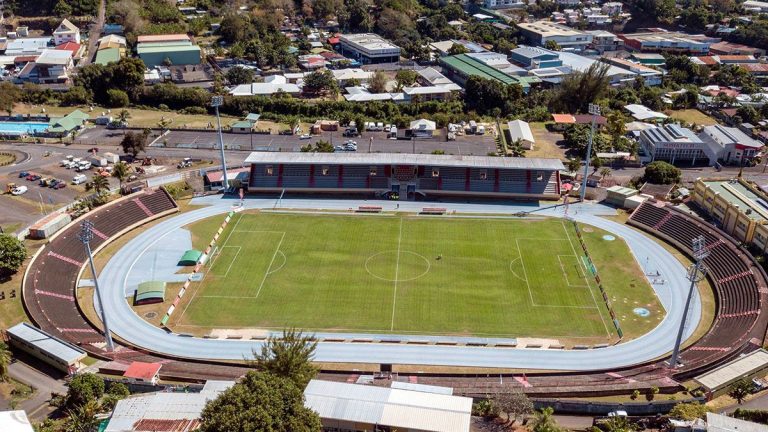
The cancellation of a Super Rugby match in Tonga next month has reignited debate over funding, player pathways, and the sustainability of elite rugby events in the Pacific.

Tonga Rugby Union chief executive Aisea Aholelei says the partnership with Moana Pasifika, the Auckland-based Pacific franchise, is “not in perfect harmony,” though the relationship remains important for the kingdom’s players.

The planned clash between Moana Pasifika and the Chiefs at Teufaiva Stadium on 11 April was scrapped after financial backing could not be secured.

This is the second year in a row a high-profile fixture in Tonga has been cancelled.

Speaking to Tuilagi William Leolahi on Pacific Huddle, Aholelei said the situation reflected broader challenges in coordinating professional rugby events in smaller Pacific markets.

“I think the main thing is that we work as a partnership, and then we sort of work together on understanding what’s best for each organisation,” he said.

“We don’t have a perfect harmony in our relationship, that’s for sure, but we must understand what’s beneficial for each organisation to survive.”

Aholelei did not elaborate on specific areas of tension but suggested there are a few things “to iron out” in the administration and high-performance areas.

One key focus, he said, is ensuring that when Tongan players enter the Moana Pasifika system, they have a clear understanding of the pathway and expectations once they arrive.

The cancellation has landed heavily in Tonga, especially after last year’s scheduled game was also called off.

“The majority of the reaction online was just surprise. For the younger generation here in Tonga, they aspire to become players and see the players of Moana Pasifika play here in Tonga. That’s a big thing for them,” he said.

Hosting Super Rugby matches in Tonga, Aholelei acknowledged, requires significant sponsorship and logistical support.

“We don’t get many events here in Tonga, and when events like Super Rugby don’t come, everyone is disappointed,” he said.

“Everyone counts numbers first before they give out any money. It’s a reality we have to deal with.”

While there are no immediate plans to reschedule the fixture, Aholelei confirmed discussions are continuing around other potential events, including women’s rugby matches later in the year.

Moana Pasifika chief executive Debbie Sorensen said the franchise explored all options to keep the game in Tonga but could not secure the required funding.

She described the decision as “heartbreaking” for fans in the kingdom and reaffirmed the franchise’s commitment to bringing elite rugby to Tonga in the future.

The episode highlights the complex dynamics of developing professional rugby in the Pacific: balancing commercial realities, nurturing local talent, and providing opportunities for young players to see the game at the highest level on home soil.

For Aholelei, the message is clear: partnerships are vital, but they need alignment, transparency, and support if Tonga is to remain connected to the professional Pacific rugby pathway.

Australia welcomes decision to host pre-COP in Fiji and Tuvalu

0

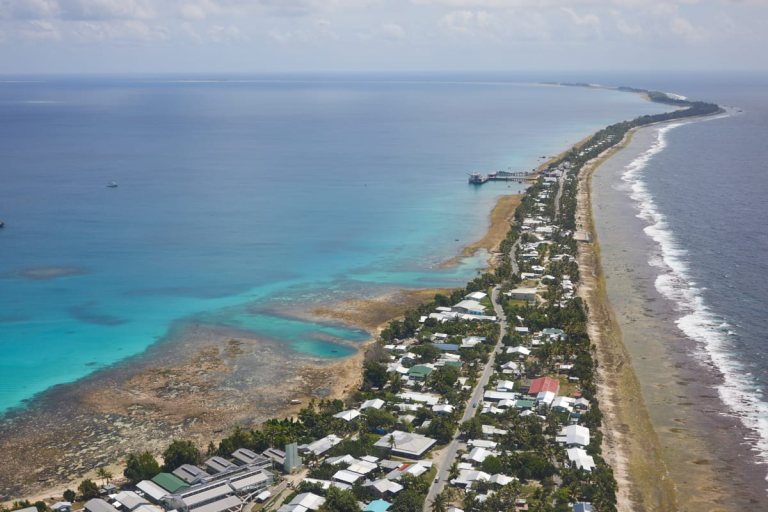
Australia welcomes the Pacific Islands Forum announcement that Fiji and Tuvalu will bring the world to the Pacific as part of the pre-COP climate events to be held later this year.

Fiji will host the pre-COP meetings, while Tuvalu will have a special leaders’ component – ensuring that Pacific priorities are front and centre in global climate negotiations, a critical priority for our region. In addition, Palau will host a special climate event as part of the Pacific Islands Forum Leaders Meeting in August. Pre-COP is expected to be held in October and will act as a springboard to launch outcomes in the annual UN climate conference.

It is an unprecedented opportunity to bring the world to the Pacific, to experience climate impacts and solutions firsthand.

Through Pre-COP and our Negotiations Presidency, Australia and the Pacific will play a critical role in COP31. Australia will also provide operational and logistical support for the Pacific event.

Türkiye will host COP31 and a World Leaders Summit in Antalya in November 2026.

Australia acknowledges the role of the Pacific Islands Forum (PIF) Chair, Solomon Islands Prime Minister Jeremiah Manele, the PIF Troika and the PIF Secretariat for facilitating the Pre-COP decision-making process.

Australian Minister for Foreign Affairs Penny Wong said: “Pacific countries have long been leaders on climate action, and their voices are central to shaping the global response.

“Hosting these COP meetings is an opportunity for the global community to hear directly from the people of the Pacific.

“Australia will work closely with our Pacific partners to support a successful Pre-COP as part of our shared effort to address the climate challenge.”

Australian Minister for Climate Change and Energy Chris Bowen said: “Our region is at the frontline of the climate crisis, where the effects of climate change are real and immediate.

“Hosting pre-COP in Fiji, with a leaders’ component in Tuvalu, will bring a global focus to the most pressing challenges facing our region and support investment in solutions which are fit for purpose for our region.

“Leading the COP31 negotiations in partnership with the Pacific will strengthen our ties with our closest neighbours, raising our region’s profile in support of shared prosperity, stability and security.”

Australian Minister for Pacific Island Affairs Pat Conroy said: “Pacific nations are bearing the brunt of the devastating effects of climate change but have contributed the least to it.

“Pre-COP will be an unprecedented opportunity for the world to listen to the Pacific and understand the existential threat climate change poses for the region.

“Hosting the Pre-COP and a leaders’ event in the Blue Pacific is an opportunity for the region to work together on this critical issue and bring global attention to their leadership, said Conroy.

Solomon Islands PM Manele calls for Pacific-led solutions to advance investment and security partnerships

0

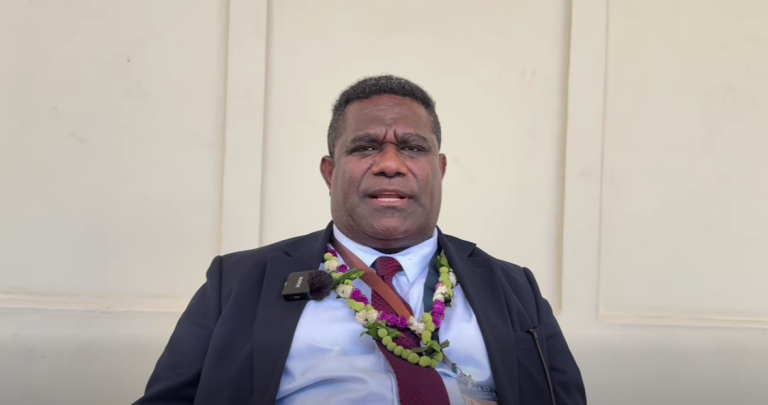
Solomon Islands Prime Minister Jeremiah Manele, MP has called for Pacific-led solutions to advance investment and security partnerships as the Pacific Agenda: Investment, Security and Shared Prosperity Summit concluded in Honolulu.

Delivering closing remarks at the two-day Summit held at the East-West Centre, Prime Minister Manele emphasised that investment and security are inseparable pillars for achieving sustainable prosperity across the Pacific region.

Prime Minister Manele, speaking as chair of the Pacific Islands Forum, reaffirmed that regional priorities must be progressed through a deep understanding of the Pacific context, stressing that solutions must be shaped and implemented with Pacific Island countries at the forefront.

The Prime Minister highlighted that the region’s key frameworks are already in place to guide collective action, including the 2050 Strategy for the Blue Pacific Continent, the Pacific Roadmap on Economic Development, and the Ocean of Peace Declaration. He noted that Forum mechanisms such as the Forum Economic Ministers Dialogue and associated officials’ processes are critical in complementing national development priorities.

Prime Minister Manele also emphasised the importance of translating dialogue from the Summit into meaningful and sustainable outcomes that reinforce partnerships with the United States. In this regard, he acknowledged the role of the Pacific Islands Development Programme in supporting regional coordination efforts and looked forward to continued engagement through upcoming Pacific Island Countries Leaders’ processes.

Prime Minister Manele further called for support towards the establishment of a Pacific Trade and Invest Office in the United States to strengthen connectivity between Pacific economies and global trade and investment opportunities.
The Prime Minister acknowledged the leadership of United States Deputy Secretary of State Christopher Landau in convening the Summit together with the United States Indo-Pacific Command and the East-West Center.

He also thanked fellow Pacific leaders, government officials, private sector representatives and all participants for their contributions and engagement throughout the Summit.

Japan to deploy missiles to island near Taiwan by 2031, says defence minister

0

Japan will deploy missiles to a tiny island near Taiwan within five years, its defence minister has said, in a move that is likely to inflame tensions with China.

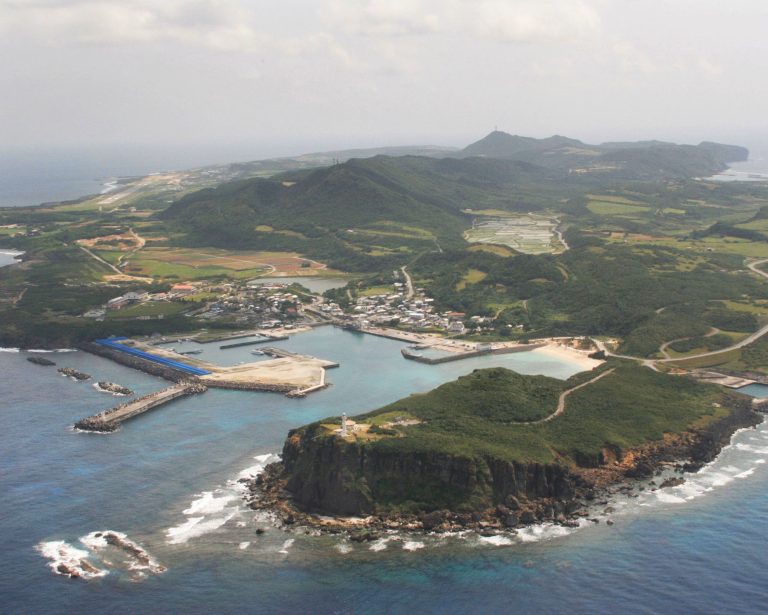
The surface-to-air missiles, which are capable of shooting down aircraft and ballistic missiles, will be located on Yonaguni – Japan’s westernmost island – by March 2031, Shinjiro Koizumi said.

“It depends on the progress of preparing facilities, but we are planning for fiscal 2030,” Koizumi told reporters, giving details about the deployment’s schedule for the first time.

Koizumi made the announcement amid a diplomatic standoff between Tokyo and Beijing over remarks by Japan’s prime minister, Sanae Takaichi, about Taiwan’s security.

Takaichi told MPs in November that a Chinese attack on Taiwan could lead to the involvement of her country’s self-defence forces (SDF) if the conflict posed an existential threat to Japan.

The remarks, which Takaichi has refused to withdraw, prompted China to urge its citizens not to travel to Japan, as well as restrictions on “dual use” exports to companies in Japan that Chinese officials say are helping to advance the country’s “remilitarisation”.

Beijing has not ruled out the use of force to annex Taiwan – a self-governing democracy it regards as a Chinese province – under what it calls “reunification”.

Japan’s defence ministry announced plans to bolster defences on remote western islands in 2022, as it shifted its security focus from threats from Russia in the north to countering Chinese military activity in the East China Sea.

Yonaguni, which already hosts an SDF facility, lies 100km from Taiwan, and residents fear that they could quickly become caught up in a military confrontation in the region.

Koizumi, who visited the island in November, said the ministry would explain the deployment to Yonaguni’s 1,500 residents next week. In 2015 they voted in favour of hosting an SDF base by 632 votes to 445. About 160 personnel keep watch on Chinese naval movements around the clock via radar sites positioned on a mountain peak.

But many locals are concerned that Yonaguni, known for its miniature horses and hammerhead sharks, is being turned into a military fortress. The SDF base opened in 2016, and there are plans to station an electronic warfare air-defence unit on the island during the next fiscal year, according to the Kyodo news agency.

Tokyo and Beijing are also embroiled in a row over repeated intrusions by Chinese vessels into Japanese waters around the Senkaku islands.

The uninhabited islets, located about 150km from Yonaguni, are administered by Japan but claimed by China, where they are called the Diaoyu.

Pacific to host key COP31 Pre-Summit talks in Fiji and Tuvalu

The Chair of the Pacific Islands Forum and Prime Minister of Solomon Islands, Jeremiah Manele, has announced that the Pacific will host key lead-up events to the 31st United Nations Climate Change Conference (COP31), marking a significant milestone for the region’s climate diplomacy.

In a statement, Prime Minister Manele confirmed that “following a political consultative process, the COP31 Pre-COP Meeting will be convened in Fiji in October 2026, with a special Leaders component to be held in Tuvalu.”

He added that the meeting “will build on a special climate event to be convened as part of the 55th Pacific Islands Forum Leaders Meeting in Palau in early September.”

The Forum Chair said the announcement follows an agreement reached last year between Australia and Türkiye for the Pacific to host pre-COP events ahead of the global summit.

“The Forum Family welcomes the agreement between Australia and Türkiye last year that the Pacific would host Pre-COP and a special leaders’ event, ahead of the World Leaders’ Summit in November 2026 in Antalya, Türkiye,” he said.

Pre-COP meetings serve as critical platforms for countries to align priorities and build consensus before formal climate negotiations begin. Prime Minister Manele underscored the significance of the Pacific’s role in this process.

“Pre-COP is a chance to show that when it comes to climate change, the most vulnerable nations can lead, and the world’s most powerful nations can listen,” he said.

The region’s political engagement will begin in earnest at the upcoming leaders’ meeting in Palau, which Manele described as a decisive moment for regional unity.

“The Leaders Meeting in Palau will be the pivotal moment for the region to consolidate its position and align partnership expectations. From this foundation, coordinated advocacy will carry through UNGA 81 and Pre-COP 31 engagements, culminating in the delivery of an impactful Pacific presence at COP 31,” he stated.

Prime Minister Manele also acknowledged the support of Australia in facilitating the process and reaffirmed the region’s readiness to deliver high-level climate events.

“I thank the Government of Australia for their support to the region through this process. The Forum Family stands ready to support the Governments of Palau, Fiji, Tuvalu in their hosting responsibilities, recognising the deep experience that the region has in the COP climate process and the hosting of world class events,” he said.

Vanuatu tables energy, airport priorities at Hawaii Summit

0

Vanuatu secured limited but important discussions at the Pacific Agenda Investment, Security and Shared Prosperity Summit in Hawaii this week, with two priority projects formally placed on the table. Deputy Prime Minister (DPM) and Minister of Finance Johnny Koanapo said he met with United States (U.S) Deputy Secretary of State Christopher Landau, where he outlined the government’s focus on energy reform and airport infrastructure development.

DPM Koanapo said the first priority is the energy sector, noting that Vanuatu currently has limited viable energy options, particularly on Efate, where electricity costs exceed 600 vatu per kilowatt hour.

He said reducing energy costs is critical to making Vanuatu more attractive for business and investment, adding that affordable energy is essential for economic growth. He said discussions included the potential for U.S funding agencies to support geothermal energy development, including ongoing exploration work on Tanna by XES Fuels in collaboration with the Ministry of Lands.

The second priority raised was airport infrastructure, with specific emphasis on Bauerfield International Airport. Koanapo said the government will soon undertake its responsibilities regarding terminal development, while broader improvements are planned for Bauerfield, Pekoa, and other airports across the country. He said improving airport accessibility is a key national objective and an important project Vanuatu presented at the summit.

Representing the government, the DPM thanked the U.S for the opportunity to participate in the summit, describing it as an important step in strengthening bilateral relations. He reflected on the historical presence of the U.S in Vanuatu during World War II, particularly on Efate and Santo, and said that while U.S engagement declined for a period, cooperation resumed through initiatives such as the Millennium Challenge Corporation (MCC).

He said the current engagement reflects a shift toward commercial diplomacy, providing Vanuatu with an opportunity to discuss economic prospects directly with the world’s largest economy.

Koanapo said the dialogue was highly productive, with Vanuatu contributing to discussions across several key sectors, including infrastructure, banking and finance, telecommunications, digital economy, and energy security. He said the U.S is seeking to authorise funding agencies to work more closely with Vanuatu to roll out financing for critical infrastructure projects.

Referring to comments by U.S President Donald Trump, Koanapo said the U.S is aiming to make “big, beautiful deals,” and discussions during the week focused on placing projects on the table and progressing them toward closure. He said talks with Deputy Secretary Landau were positive, with legal and technical matters being reviewed by the Attorney General’s Office, potentially opening doors for U.S development finance institutions to fund energy security and other priority projects.

Koanapo said he remains optimistic about the proposals presented and the outcomes of discussions with U.S agencies.

Meanwhile, Deputy Secretary of State Landau said the summit marked a shift from traditional political dialogue to a new approach centred on direct engagement between Pacific Island leaders and the U.S private sector. He said the goal was to allow leaders to present their development and investment priorities directly to private companies, rather than relying solely on government-to-government processes.

Landau said his role was limited to opening the event and facilitating connections, allowing meaningful discussions to take place between governments and the private sector. He said early feedback indicated strong enthusiasm from both sides, describing the summit as a major success.

He added that the strength of the U.S lies in its dynamic private sector and that the government’s role is to act as a gateway, helping Pacific neighbours access opportunities that can drive long-term prosperity and security across the region.

He said while he had not confirmed whether deals were finalised, important conversations had taken place, and opportunities had been identified for further pursuit. Landau said he looked forward to continuing this new format of engagement in the future.

EU supports Digital Media Hub in Samoa

0

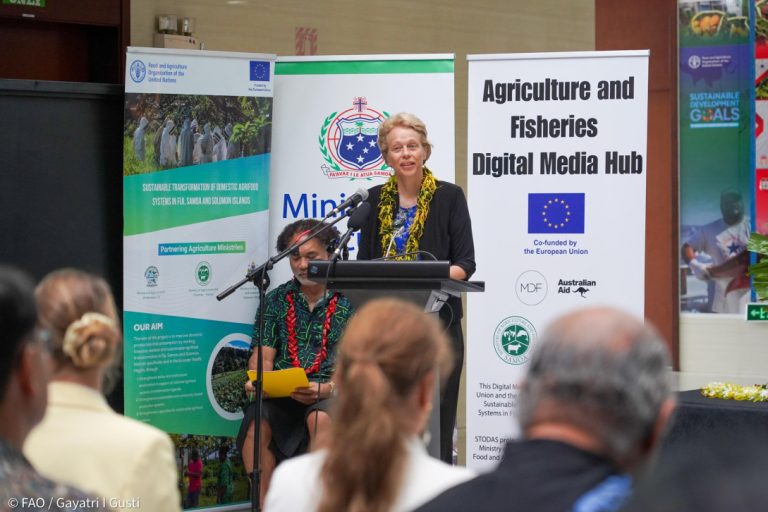
The Ministry of Agriculture and Fisheries of Samoa has officially launched its first Digital Media Hub located at the Government’s TATTE Building in Apia, to strengthen public outreach and communication. This purpose-built facility is equipped with modern digital and audiovisual technologies to support production of timely, high-quality information and awareness content on food, agriculture and fisheries.

The European Union is a major contributor to the Hub through its Sustainable Transformation of Domestic Agrifood Systems in Fiji, Samoa, and Solomon Islands (STODAS) project, implemented with technical support from the Food and Agriculture Organisation (FAO) of the United Nations. The Market Development Facility, funded by the Australian Government, also provided complementary support to the initiative.

“This Hub enhances our capacity to deliver timely, accurate agricultural and fisheries information, document results, and strengthen transparency across our programmes,” said Fuimaono Maiava Tito Asafo, Minister for Agriculture and Fisheries, at the inauguration.

The facility reflects the Ministry’s broader commitment to modernising how it engages with stakeholders and the public. As communication increasingly relies on digital platforms and visual storytelling, strengthened outreach is essential to ensure that farmers, fishers, and partners can readily access relevant knowledge, services, and opportunities.

While digital innovation is central to the Hub, it is designed to serve all communities, including those with limited internet access. The Hub will enhance the quality of printed materials, television and radio programming, and complement existing extension and advisory services, ensuring vital information reaches rural and remote areas.

In her remarks, Barbara Plinkert, Ambassador of the European Union to the Pacific highlighted the vital role of the Hub in aiding the agriculture sector, a key driver of Samoa’s economic growth, food security and livelihood.

“The European Union is proud to support the Samoa Digital Media Hub, which is more than a technical facility. It is a dynamic platform for knowledge-sharing, innovation, and connection. By strengthening the Ministry’s digital capacity, we are empowering farmers and agribusinesses with the information they need to innovate, grow and contribute to Samoa’s economy and sustainable development,’’ concluded the Ambassador. The EU remains a reliable partner for Samoa and the Pacific region on connectivity, which is a key priority for the EU under the Global Gateway Strategy.

As the implementing partner of STODAS project, FAO congratulated the international cooperation behind this Digital Media Hub. “Just as we strive to leave no one behind in accessing nutritious food, we must also ensure that no one is left behind in accessing accurate, timely and useful information about food, agriculture and fisheries, “said Guangzhou Qu, FAO Subregional Coordinator for the Pacific Islands.

The launch event was attended by representatives of the Australian High Commission, government officials, development partners and stakeholders from the agriculture and fisheries sector.

Stay connected

529FansLike
172FollowersFollow
156SubscribersSubscribe
- Advertisement -