Home Blog Page 6

Tonga police see crime growing more regional and digital

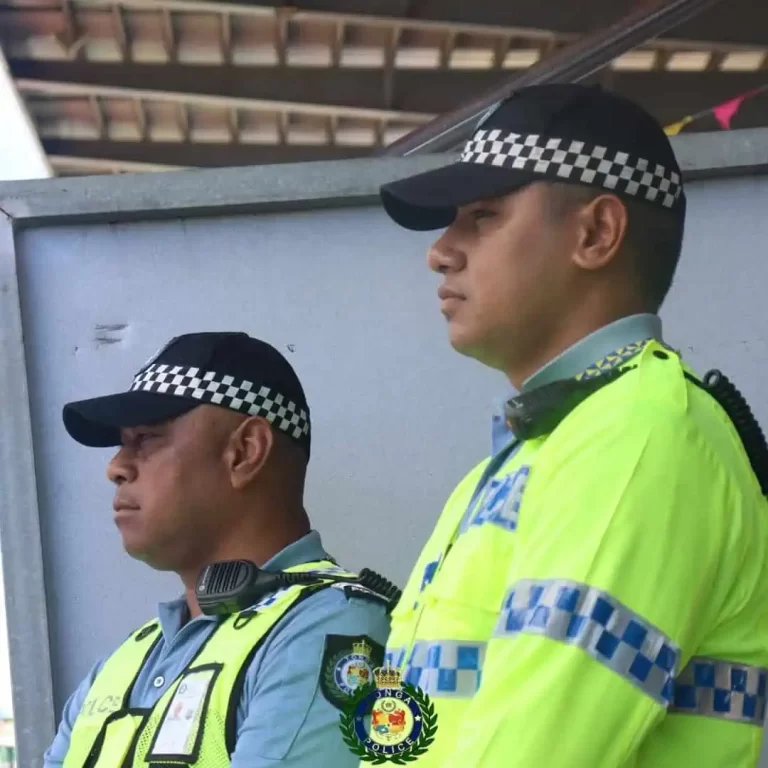
Tonga’s criminal threat landscape has changed fast, and Acting Chief Superintendent Selosia Fatukala-Satini says the shift is forcing police to rethink how they work.

Speaking with the steady, unsentimental authority of a frontline investigator, during the Pacific Peace and Security Dialogue in Fiji, the Commander for National Crime and Investigation said the old model of crime as a local problem no longer fits.

“There is no longer pure domestic,” he said.

“It’s now coordinated across the countries.”

In Tonga, that means transnational networks moving drugs, moving money, moving forged documents and moving through the gaps created by geography, limited capacity and digital speed.

His warning was blunt, as the biggest change over his career has been the rise of crime that is organised, adaptive and hard to trace.

Criminal groups are using “digital crime because it’s faster, global, and hard to trace,” he said, while also exploiting maritime routes and using legitimate business as cover.

“The result is a broader and more dangerous mix: cyber-enabled offending, cybercrime, financial investment scams, unauthorised foreign exchange dealing, money laundering, counterfeit passports and drug trafficking by sea.”

For Tonga, the maritime dimension is especially acute.

Fatukala-Satini described “the vast ocean territory and dispersed island geography” as a structural vulnerability that criminal networks can exploit.

Drugs, he said, moved through the Pacific Islands, including Tonga, and when they did, the damage does not stop at trafficking.

“Where a country becomes a potential consumption market, the drug use increases in the local population, bringing more addiction, violence, theft and related crimes.”

“That change in crime type has exposed a change in policing needs. The challenge is no longer only about arrests and seizures; it is about specialist capability.

“Tonga Police must contend with digital forensics, forensic accounting, device analysis, and financial tracing, all while trying to keep pace with offenders already operating across borders.”

“The complexity of modern crime has outpaced the capacity of individual countries,” he said.

His answer is regional and practical, and he has called for the integration of regional intelligence, stronger maritime security, harmonised legal frameworks, and faster mutual legal assistance.

Fatukala-Satini also made the case for targeting the profits, not just the perpetrators.

“If we can move the profits, we weaken the networks,” he said.

That logic runs through his wider view of policing in the Pacific: no country can do this alone.

The way forward, he argued, is a coordinated regional model built on intelligence, capability sharing and sustained partnerships with customs, immigration, central banks, Australia, New Zealand, Interpol and Pacific policing networks.

“The fight against modern crime is no longer a matter of isolated national response. It is a contest of systems, and the region must learn to move as one,” he said.
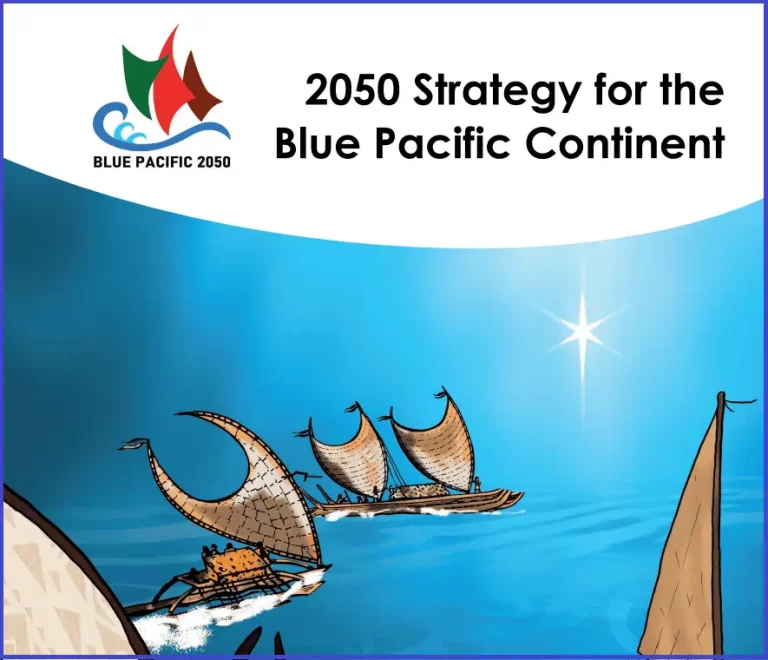

Climate, migration and leadership rise to the top of Pacific’s 2050 agenda

The Pacific Islands Forum is translating its 2050 Strategy into a more concrete set of priorities focused on climate resilience, regional mobility and leadership development, with senior officials arguing that the region’s future depends on whether it can fund adaptation, move people more freely and train the next generation to lead.

Esala Nayasi, the Forum’s deputy secretary-general, said climate change remains the Pacific’s defining challenge, described by leaders as “the greatest threat to livelihoods, security, and well-being of our peoples.”

He framed the response on three levels: national investment in resilience, regional programmes and frameworks, and global advocacy through the COP process and other international platforms.

But finance, he said, continues to be the bottleneck. “Access to finance has continued to be an issue,” he noted, explaining why Pacific leaders created the Pacific Resilience Facility, a Pacific-owned mechanism designed to reflect the region’s values and priorities.

The treaty establishing the fund has now been signed and ratified, he said, and the secretariat office is expected to be established in Tonga later this year.

The facility is part of a broader effort to turn Pacific climate diplomacy into tangible institutions.

Nayasi pointed to the region’s recent success on the International Court of Justice advisory opinion and the follow-up United Nations General Assembly resolution, both of which he described as major achievements in taking the Pacific’s climate concerns into the global system.

He said the upcoming COP 31 process, along with pre-COP meetings in Fiji and Tuvalu, will give the region another chance to push its oceans-and-climate agenda.

“We have achieved in this area,” he said, but added that “there’s a lot that we still need to address.”

The 2050 agenda also reaches beyond climate into economic integration. And the Pacific leaders now see free movement of people as a critical step toward regional integration, especially as some countries struggle with unemployment while others face labour shortages.

He described the region’s human resources as a shared “common wealth,” and said the challenge is to build pathways that allow Pacific people to live better lives across borders.

He acknowledged a less discussed reality: labour flows from the ASEAN region are already feeding into Pacific labour shortages, which he said means the Pacific must think more deliberately about opportunities within its own region.

“Free movement of people is critical to that,” he said, describing it as a regional issue rather than a narrow national one.

The final pillar is leadership. Nayasi argued that the Pacific’s future depends on whether it can produce leaders who understand regionalism not as an abstract idea, but as a lived commitment.

“Everything rises and falls on leadership,” he said, adding that the region needs leadership “one that the 2050 strategy demands and one that the region deserves.”

That thinking is driving a new Pacific-Centred Leadership Initiative, now in design phase.

The goal, he added, is to create leadership and development training across the region so that future leaders are better prepared than previous generations, many of whom entered public life without structured regional leadership training.

He illustrated the point with a story about former regional figures who met again 40 years later after studying at the University of the South Pacific and later went on to become diplomats, academics and civil servants.

Their careers, he said, showed the value of a leadership pipeline that intentionally prepares people for regional service.

“We need to really invest in leadership as a region,” he said.

The aspiration is that by 2050, the next generation will not only inherit regional institutions but also understand how to use them.

“Taken together, the climate fund, free-movement agenda and leadership initiative suggest the 2050 Strategy is moving from vision to implementation. For the Pacific Islands Forum, the question is no longer just what regionalism should mean, but whether it can be funded, staffed and led well enough to endure.”.

Forum Economic Ministers to address global risks and regional resilience

0

Pacific Islands Forum (PIF) Economic and Finance Ministers will convene in Majuro, Republic of the Marshall Island (RMI)s, on 23 and 24 June 2026 for the annual Forum Economic Ministers Meeting.

The meeting will be chaired by David Paul, Minister of Finance, Banking and Postal Services of the Marshall Islands.

Economic and Finance Ministers will reflect on the importance of accelerating the implementation of the Pacific Roadmap for Economic Development (PRED) under the 2050 Strategy for the Blue Pacific Continent, recognising that deeper regional economic integration, strengthened collective action, and enhanced policy coordination are critical to building a more resilient, stable, and prosperous Blue Pacific.

Building on the Forum Leaders’ decision to invoke the Biketawa Declaration in May this year, Ministers will consider the implications of ongoing global developments, including tensions in the Middle East, and provide recommendations towards a coordinated regional response to the energy crisis affecting Forum member countries.

Discussions will focus on regional fuel security and the impact of external shocks on vulnerable Pacific economies.

A Ministerial Talanoa on Navigating the Triple Shock will provide an opportunity for Ministers to engage with representatives of the energy and fuel industry sector operating in the region, as well as representatives from the private sector, partners, and CSOs on the interconnected challenges of energy security, rising import costs, and food security vulnerabilities, while identifying priorities for enhanced regional cooperation.

“As global uncertainties intensify, regional cooperation remains our greatest strength. The meeting of the Forum Economic and Finance Ministers will consider and advance collective solutions to strengthen economic security and resilience, stability, and sustainable growth across the Blue Pacific, particularly in today’s increasingly complex and uncertain global environment,” said PIF Secretary General, Baron Waqa.

Following the conclusion of the FEMM, Economic and Finance Ministers will participate in the inaugural Council meeting of the Pacific Resilience Facility (PRF) on 25 June, marking a further key milestone in the region’s collective efforts to strengthen resilience financing and preparedness.

The PRF Treaty entered into force on 06 May 2026. Ten Pacific Islands Forum member governments have ratified the Agreement to date.

The Forum Economic Ministers Meeting is an important annual standing meeting of the Pacific Islands Forum for Forum Finance, Economic Development, and Planning Ministers to assist and inform Forum Leaders of relevant regional and international economic and development issues, as well as challenges and opportunities facing the region.

As Forum members confront an increasingly uncertain global environment, the meeting will provide an opportunity for Ministers to reaffirm their commitment to collective action, increased regional cooperation, and to advance practical solutions that support a resilient, prosperous, and secure Blue Pacific for present and future generations….PACNEWS

PIFS leans on ASEAN model as it retools for a changing region

0

Pacific Islands Forum (PIFS) leaders are trying to redesign the region’s political and security machinery to better protect unity, manage outside pressure and give the 2050 Strategy the institutional backing it needs to work.

Esala Nayasi, the Forum’s Deputy Secretary-General – Strategic Policy & Programming, said the long-term strategy was not meant to be a slogan, but a framework for defining Pacific regionalism in values-based and practical terms.

The objective, he suggested, was to create a regional vision that is “values-based,” “people-centred” and anchored in “unity and solidarity.”

He said the strategy emerged from a difficult moment for the Forum. In 2019, Fiji rejoined after its suspension, and leaders used that moment to agree on a new direction.

But the following year brought political strain, with five members withdrawing from the Forum. That sequence, Nayasi said, underscored why the region needed not only a long-term strategy, but a stronger architecture to deliver it.

“It is in response to some of these issues that we as a region not only need to reflect but also respond to particularly challenges that we face,” he said.

The 2050 Strategy, he added, was designed to define “regionalism” at a moment when Pacific leaders had to decide what it meant to us as a region and as a people.

A central part of the current review is partnerships. Nayasi said the Forum is learning from ASEAN’s tiered model of engagement, under which partners are divided into three layers.

The Pacific, by contrast, is moving toward a simpler two-tier system: strategic partners and development partners. The idea, he said, is to give leaders more control over how the region manages relationships and expectations.

“We have decided through the leaders that we only have two tiers: strategic partners and development partners,” he said, describing the change as one way to manage geopolitics to our own intent and purpose.

The decision is expected to come before leaders in Palau this year, along with possible moves to centralise partnerships under a more unified regional approach.

That review reflects a broader concern. Nayasi said the Pacific must operate carefully in a complex geopolitical environment, one in which member states have different capacities, governance arrangements and economic interests.

The region includes territories, developed countries, developing states and least developed states, he noted, so there is no single template for handling pressure from partners or responding to regional challenges.

The security architecture is also under scrutiny.

The Pacific has nine regional organisations and more than 21 agencies in the security space, yet no ministerial convening dedicated to peace and security.

“The issue now is, how do we redesign some of these different convenings and capabilities so that we are unified in our approach?” Nayasi asked.

Leaders are expected to confront that gap this year.

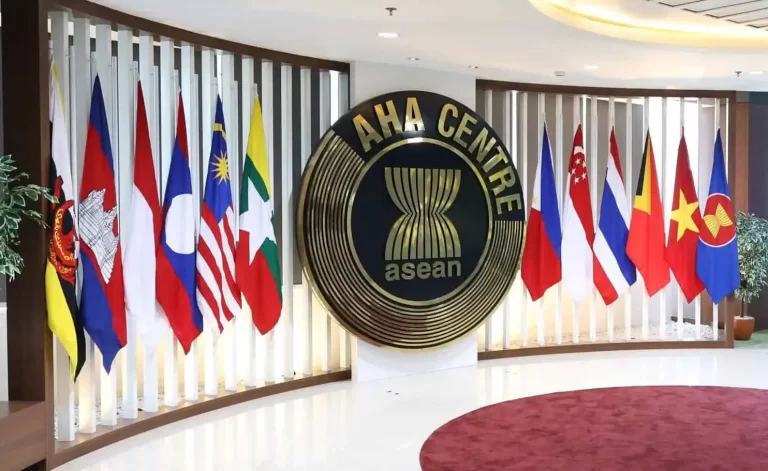
He said the Forum is looking at ASEAN again for a second lesson: disaster response. The ASEAN model, centred on the AHA Centre in Jakarta, coordinates civilian and defence capabilities across borders, including transport, logistics and personnel.

“Pacific leaders are now considering whether the region needs a treaty and a comparable mechanism to improve disaster response.

“The same logic is driving interest in inter-parliamentary cooperation. The Pacific Islands parliamentary group held its first inaugural meeting last year. It established an assembly, but leaders are still deciding how that body should sit within the wider regional architecture.”

Here, too, Nayasi said the Pacific is looking at ASEAN’s arrangement for guidance. The point of all this, he suggested, is not to copy other regions, but to learn from them.

The Pacific is also preparing to formalise its relationship with the Caribbean Community (CARICOM) through an MOU that is close to finalisation.

“We are learning, we are growing,” he said, adding that peer learning across regions is now part of the work.

Nayasi said that since leaders last met two years ago, the region has seen about 13 or 14 new leaders, with two more elections due this year. Such churn, he said, makes it harder to sustain commitments, manage ambition and keep regional projects on track.

The architecture review for the Forum is an attempt to preserve trust, unity and a shared regional purpose in a period when geopolitics, leadership turnover and institutional fragmentation all threaten to pull the Pacific in different directions.

Solomon Islands Police Chief suspended over meth evidence scandal, just weeks after appointment

0

Recently appointed Solomon Islands police chief Ian Vaevaso has been suspended after less than two months on the job over his past handling of drug evidence.

The decision to suspend Vaevaso was made by Governor-General Sir David Tiva Kapu on Wednesday on the recommendation of recently appointed Prime Minister Matthew Wale, according to the governor-general’s office.

Wale, whose office confirmed the suspension, had previously called for the removal of the police commissioner when he was opposition leader.

The move comes after In-depth Solomons revealed in March that an internal police investigation found evidence that Vaevaso had improperly destroyed the drugs, intimidated dissenting officers, and lied to investigators.

Vaevaso, who has denied any wrongdoing, will now face an independent tribunal.

“I fully respect and will fully support this process of the constitution,” he wrote in a message acknowledging his suspension to In-depth Solomons.

“I am ready to face these ‘made up allegations’ raised against me.”

The suspension, which went into effect immediately, “serves to facilitate a thorough and impartial inquiry” into the allegations against Vaevaso, said Rawcliffe Ziza, private secretary to the governor-general.

“The inquiry centres on the improper management of methamphetamine narcotics in 2024, alongside concerns regarding his selection for the role of police commissioner,” Ziza said.

Vaevaso took charge of the police force of 3,000 officers on April 24 despite allegations that he had broken protocol in early 2024 by ordering subordinates to hand over the confiscated methamphetamine, which he then dumped into the sea.

Previous reporting by In-depth Solomons found that prosecutors last year recommended suspending and formally questioning Vaevaso ahead of potential criminal charges over the incident, but the case was derailed by a bureaucratic standoff.

The impasse – between prosecutors, the police department, and the Police and Prison Services Commission (PPSC) – meant that Vaevaso was never interviewed, suspended, or charged.

Vaevaso’s suspension now raises questions over the PPSC, which officials in the last Manele government had said formally closed the case against the police chief.

Douglas Marau, Wale’s press secretary, confirmed that the suspension was made on the prime minister’s advice.

“The decision was informed by the fact that several of the allegations in question were not raised prior to Vaevaso’s appointment,” Marau told In-depth Solomons, adding that the tribunal would provide the police commissioner with “a fair and transparent opportunity to clear his name.”

The leadership change comes at a perilous moment for law enforcement in the Pacific. Small island states like the Solomons have increasingly become transit hubs for narcotics bound for lucrative shores in Australia and New Zealand.

Highlighting the scale and sophistication of the illicit trade, at least seven so-called narco-submarines have reportedly been discovered in the region over the past two years – four of them in the Solomon Islands.

The influx of cheap methamphetamine has also begun driving a domestic addiction crisis in Solomon Islands, as well as several Pacific island countries.

Regional response needed as Pacific drug threat grows

Cook Islands Islands Secretary of Health Bob Williams has called for a tougher, more coordinated Pacific response to drug trafficking.

Williams warned that the crisis hit families, communities and health systems long before police intervened.

He said the region must stop treating health, climate, peace and security as separate issues.

“We need to be the bigger choir, singing all four parts in harmony,” he said during the Pacific Peace and Security Dialogue this week, arguing that the Pacific can only protect sovereignty and borders if governments work together across sectors.

“Illicit drugs are already causing profound and short and long-lasting devastating physical, mental, and neurological consequences across Pacific communities.

“The first warning signs are usually seen not by law enforcement, but by families, teachers, pastors and health workers in villages and remote islands.

“The first point of contact is rarely the police or law enforcement. It is the family members, it is the community.”

That, Williams warned, means the damage is often well advanced before authorities step in.

“By the time a case is visible to law enforcement, the harm in the community has already been running for months or many years. The social damage has accumulated for years.”

Williams said the region needs a response that combines interdiction with prevention, harm reduction and community support.

“We have to collectively come together to be able to respond effectively; health must be part of the conversation on maritime security, intelligence and law enforcement.”

He also backed stronger community-based delivery of harm-reduction services. Any regional protocol, he said, should “explicitly include community-based approaches as a recognised and deliberately well-resourced delivery channel.”

“Post-interdiction support is just as important as stopping vessels at sea, because communities often bear the full impact of drug networks long after arrests are made.”

Williams called for ill-gotten gains from drug trafficking to be seized and redirected to public benefit.

He said the money should be forfeited to fund the impacts on our Pacific communities, including health, education and social support.

The Cook Islands, he said, is already trying to build a more integrated model through a combined law-agency group that brings together health and enforcement agencies to assess national risks.

But he said the region still needs stronger legislation, better institutional links and sustained investment in health services, especially mental health and youth services.

“The Pacific’s response must fit island realities, not just mainland systems.

“It must be practically applicable to the most remote communities across our islands,” he said.

“We need our communities to be involved in the decision-making. “What I’m saying here today is: we need to come together.” .

Ika Moana Rises Again – Strengthening Pacific Leadership in Maritime Surveillance

0

The Pacific Ocean is vast and full of potential. It is a resource that Pacific peoples have long relied on, which makes protecting it an important responsibility.

Flashback to 2014, four Members, Cook Islands, Samoa, Niue, and Tonga, decided to take on this sub-regional level subregional joint surveillance, marking a significant step in the ownership of maritime surveillance in the region. The responsibility to lead would rotate among the four Members.

Typically, maritime surveillance was carried out from the Regional Fisheries Surveillance Centre (RFSC) at the FFA in Honiara, Solomon Islands, so this was a huge step, not only for maritime surveillance, but for Pacific leadership. It signalled the potential for increased multilateral cooperation and relationship-building to protect ocean resources. The operation enabled participating Members to coordinate surveillance across their EEZs.

Recognising the Secretariat’s years of experience, resources, and network, the Members invited it to support the coordination and execution of operations in 2018 and 2019. However, COVID-19 had other plans, and the initiative was halted.
But the Pacific has a way of bringing back what was once lost. Operation Ika Moana was not meant to lie at the bottom of the ocean forever. After a five-year hiatus, Operation Ika Moana was reactivated by the Samoa Government in Apia. This comeback was not just about a “return to operations.” It was personal, a return to rebuilding connections and confidence in national leadership and sub-regional coordination.

In August 2025, Operation Ika Moana was set in motion. The Secretariat was once again invited by the Samoa Police Commissioner to provide coordination and operational support. Drawing on its experience and resources, it delivered targeted support. This included Maritime Domain Awareness (MDA) Watchkeeper training, coordination of aerial surveillance through the FFA Aerial Surveillance Programme, application of satellite remote sensing technology, and facilitation of boarding inspection refresher training for all participating Members. Working closely with partners such as AFMA, MPI, and the Fiji Navy, the Secretariat ensured that support responded directly to the needs identified by the Samoa Joint Coordination Centre (JCC) at the Maritime Police Headquarters.

As Operation Ika Moana gained full momentum, Watchkeepers strengthened their ability to monitor and analyse information in real time. The JCC took on the role of coordinating multiple patrol assets, including six Guardian-class patrol boats (GCPB), and air assets while also supporting intelligence analysis and operational decision-making. Boarding officers refreshed their skills, ensuring that inspections at sea and in port were carried out with consistency and confidence.

Results soon became visible: seven vessel boarding were conducted, three sightings were recorded, and three vessels of interest were identified. Satellite remote sensing added another layer of capability, contributing to eleven detections. Altogether, the operation covered more than 90,000 square kilometres, demonstrating what can be achieved when national efforts are aligned and supported.

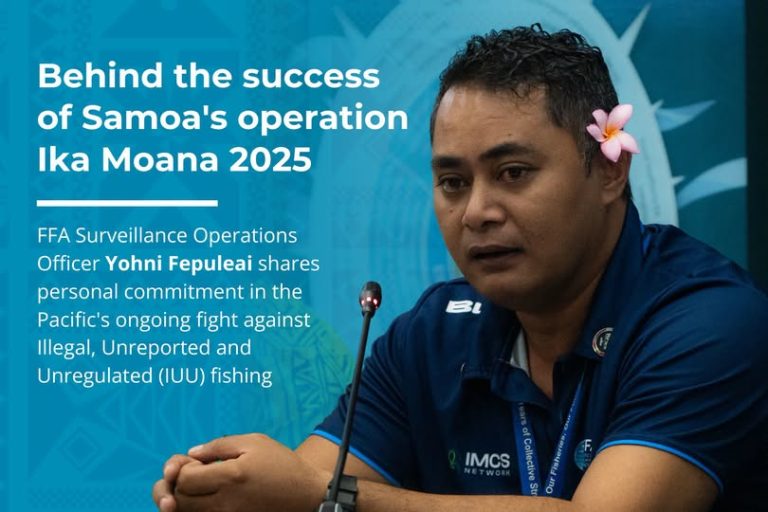
For Yohni Fepuleai, a Surveillance Operations Officer with the Pacific Islands Forum Fisheries Agency (FFA) who had been involved in establishing Operation Ika Moana before joining the Secretariat, the operation carried a deeper meaning:

“The power of Pacific leadership and networking among FFA Members to work together. This operation brings together Members, GCPBs, and MCS officers for joint surveillance and training exercises.

Operation IKA MOANA sets a new standard for Regional Cooperation and Pacific Unity in Maritime Surveillance.

It creates the opportunity for Members to lead, coordinate, and execute a multilateral operation themselves, rather than relying on FFA as the coordination centre. It is about empowering national headquarters to take on that role, particularly within sub-regional groups with shared interests.”

Operation Ika Moana represents a shift in how operations are led. Samoa’s Joint Coordinating Centre was not just participating, it was driving the operation, coordinating assets, analysing information, and making decisions in real time. The Secretariat played a supporting role, providing technical expertise while allowing national systems and leadership to take the lead.

This shift strengthened not only technical capacity, but also the confidence and ability of the host nation to lead a complex, multilateral surveillance effort. It demonstrated that, with the right support, Members can coordinate effectively across borders and manage operations that respond to shared maritime security priorities at the sub-regional level.

With this renewed momentum, Operation Ika Moana is set to continue in the future, with either Cook Islands or Tonga taking the lead, alongside continued support from the Secretariat, Pacific Maritime Security Program (PMSP) and partners. The focus on building Member-led coordination and sustaining progress remains.

Operation Ika Moana demonstrates that the Pacific is resilient and strong. Our ocean is what binds us, and it is also what ensures we are never lost. This revival is a testament to the Pacific’s sense of ownership, pride, and responsibility to protect what is rightfully theirs.

FFA Director-General Noan David Pakop said: “The operation illustrates the value of flexible, host-driven regional exercises. By bringing together fisheries patrol vessels, law enforcement, corrections, and other maritime agencies under a unified command, the operation enabled participating countries to respond quickly to IUU fishing threats while also addressing wider maritime crimes.”.

Bracing for El Niño: FAO and WFP launch joint appeal to protect 8.8 million people from extreme weather events

Scaling up early action in 22 high-risk countries will help safeguard lives, livelihoods and food security

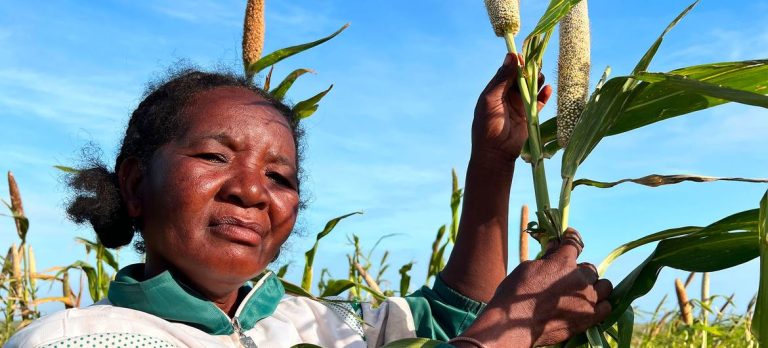
The Food and Agriculture Organisation of the United Nations (FAO) and the World Food Programme (WFP) have launched their first-ever Joint Anticipatory Action Appeal, seeking US$202 million to protect nearly nine million people from the potential impact of a strong El Niño weather pattern across 22 high-risk priority countries.

The Appeal calls for urgent, flexible funding ahead of anticipated climate shocks that could threaten food security, livelihoods and agricultural production across the world’s most vulnerable regions through this year and next.

El Niño is forecasted to strengthen during the period covered by the outlook, leading to drier-than-average conditions in some areas and wetter, flood-risk conditions in others. This can disrupt planting, growing seasons, harvests, pasture, and water availability. Strong El Niño conditions in the second half of 2026 are predicted to increase the likelihood of drought, floods and storms across parts of Africa, Asia, the Pacific, and Latin America and the Caribbean.

The forecast comes at a time when millions of people are already facing acute food insecurity driven by conflict, economic instability, displacement, recurrent weather-related shocks, and economic disruptions linked to the ongoing conflict in the Middle East.

FAO and WFP are already positioned to provide anticipatory action for 1.2 million people projected to be affected by El Niño.

With an additional investment of US$167 million, the two agencies are positioned to rapidly expand support to a further 7.6 million people across 22 priority countries, bringing the total coverage to 8.8 million people.

The joint appeal builds on strong evidence that anticipatory action is both highly effective and cost-efficient. Every dollar invested in anticipatory response can result in up to US$7 in avoided losses and response costs.

“Experience consistently shows that early action is more effective and less costly than responding after a crisis has escalated,” said FAO Deputy Director-General Beth Bechdol.

“We have the data, the tools and the evidence to identify risks before they become emergencies. The challenge is ensuring that financing is available early enough to act. When resources are available before trigger thresholds are reached, countries can protect food production, reduce humanitarian needs and help families safeguard livelihoods before critical planting, harvesting and livestock production windows are lost.”

“We cannot afford the fallout of another food crisis,” said Carl Skau, WFP Acting Executive Director.

‘With El Niño on the horizon, we have a narrow window to act so families are not forced into impossible choices later. We now have the tools to anticipate these events, what matters is how we act with that knowledge. Early action keeps food on the table and protects those at most risk. With the right resources, we can act faster, reduce costs, and reach people before the crisis escalates.”

Funding will support a package of proven anticipatory actions tailored to individual local contexts. These include cash assistance, the distribution of drought-tolerant and/or flood-resistant seeds, livestock protection measures, water harvesting and storage systems, flood protection infrastructure, agricultural advisories and the dissemination of early warning information.

Planned interventions will help vulnerable households protect livelihoods, stabilize food consumption, safeguard agricultural production and strengthen resilience to future shocks.

Priority countries

The appeal focuses on 22 countries, balancing key considerations such as risks based on meteorological forecasts of El Niño and its possible impact, historical weather patterns, agricultural calendars, existing levels of food insecurity and operational readiness. The targeted countries by region are:

Africa: Cameroon, Ethiopia, Kenya, Madagascar, Malawi, Mozambique, Nigeria, Somalia, South Sudan, Sudan, Uganda and Zimbabwe.

Asia and the Pacific: Afghanistan, Pakistan, Philippines and Timor-Leste.

Latin America and the Caribbean: Colombia, El Salvador, Guatemala, Haiti, Honduras and Venezuela.

From forecast to action

The Appeal comes as humanitarian needs continue to rise while global aid budgets face increasing pressure.

During the 2023–2024 El Niño event, FAO and WFP supported more than three million people through anticipatory action, delivering assistance months before peak impacts occurred. Capacity has since expanded, but overall coverage remains well below identified needs, highlighting the importance of scaling up financing and preparedness ahead of the 2026 event.

FAO and WFP reiterate that the systems, partnerships and operational plans needed to act are fully in place and coordinated for immediate action. What is needed now is the financing required to deliver anticipatory action at the scale that current forecasts demand.

Contact: Irina Utkina
FAO
(+39) 06 570 52542
irina.utkina@fao.org

Julian Miglierini
WFP
(+39) 348 231 6793
Julian.miglierini@wfp.org

World Rugby lowers legal tackle height in community rugby

0

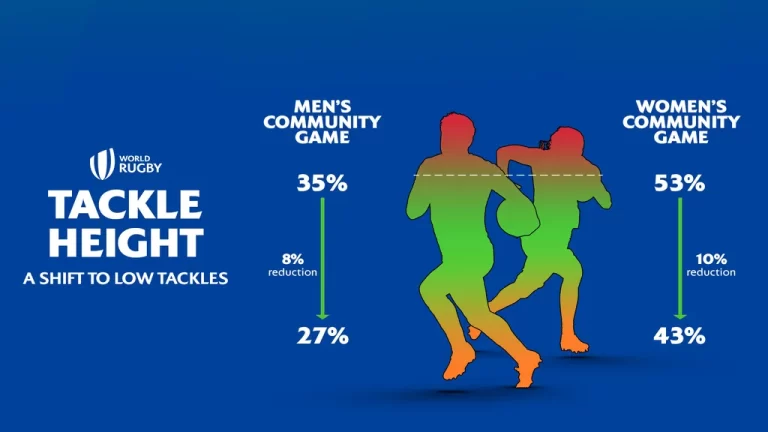
-World Rugby Council has approved adoption into full law a lower tackle height in community rugby, following positive trials over the last two years.

The law – allowing Unions to choose either waist or base of the sternum – will come into effect from 1 July 2026 for seasons that start after that date.

The decision, taken by Council in Dublin, Ireland, comes after extensive evaluation of trials run across 10 national member unions involving more than 150,000 studied tackles demonstrated positive player behavior.

The trials showed a lower legal tackle height was effective in reducing the chances of upright tackles occurring, which are the most likely to cause avoidable head impacts.

Unions will still have the ability to use Game On community law variations to adapt secondary laws in areas such as pick and go and double tackles.

The new community law will come into effect from 01 July for seasons beginning after that point.

Initial trials of a lower legal tackle height in elite rugby will take place at the World Rugby Junior World Championship which takes place in Georgia from 27 June.

World Rugby Council also voted to move a number of other successful trials into full law. These included:

*The scrum brake foot which reduces axial loading (pressure on heads and necks) in the scrum
*Restrictions on water carriers entering the field of play
*Confirming the role of the Television Match Official as a formal part of the officiating team
*Allowing elite competitions the option of using 20 minute red cards if they choose to.

The amendments will come into force from 1 July and the exact wording can be found on the World Rugby Laws section or world.rugby/laws.

Welcoming Council’s decision World Rugby Chairman Brett Robinson also thanked those unions whose work in trialing measures has led to their full adoption. Robinson said “Player welfare is at the heart of everything that rugby does. I welcome the adoption of a lower tackle height into community law. I would like to thank all the unions and academics and most importantly players and referees who took part in the trials that have helped us to reach this point.

“The trials from round the world show that this is the right thing to do to make our game safer and more enjoyable for community players who are the lifeblood of our sport. Rugby has always led the way when it comes to making changes considered changes to improve the welfare of our players and alongside provisions such as smart mouthguards in the elite game, we’ve shown time and again that we’ll make the big calls and that we’re getting them right, backed by the evidence.”

Australia, PNG push ahead with Pukpuk treaty as Wong backs U.S-Iran Deal

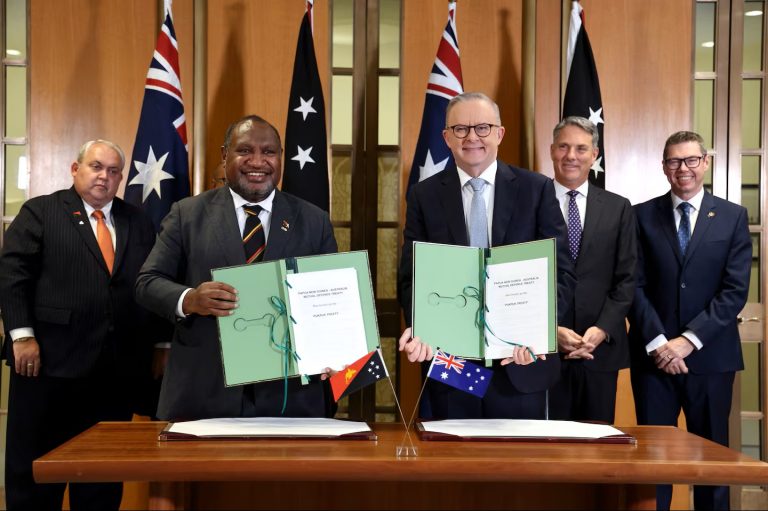
Australia and Papua New Guinea have reaffirmed their commitment to bringing the Pukpuk Treaty into force, with Foreign Ministers Penny Wong and Justin Tkatchenko describing the alliance as a major step in strengthening regional security, economic cooperation and stability across the Pacific.

Speaking at a joint press conference in Adelaide on Wednesday, Wong said both countries had completed their domestic processes and were now looking forward to the treaty formally entering into force.

“Papua New Guinea and Australia are more than just neighbours. We’re close friends. We’re bound by shared history and trust,” Wong said.

She noted that 2025 marked 50 years of Papua New Guinea’s independence and highlighted the growing partnership between the two countries.

“And we also made an historic decision to become allies. And I want to thank again Papua New Guinea, Prime Minister Marape, Deputy Prime Minister Rosso, Foreign Minister Tkatchenko, the whole of the Papua New Guinea Government for proposing the Pukpuk Treaty.”

“It’s such an honour to be part of that Alliance with Papua New Guinea and we look forward to our leaders bringing the Treaty into force in the near future. Both of our countries have gone through our domestic processes so we look forward to the Treaty coming into force.”

Wong stressed that the alliance extends beyond defence cooperation.

“I want to emphasise it’s an Alliance that is about more than defence. It deepens cooperation in health, education, infrastructure and trade, all of which are about our two countries working together for peace, for stability and prosperity in our region.”

Tkatchenko said the treaty reflected the closest relationship the two countries had enjoyed since Papua New Guinea’s independence.

“Papua New Guinea is not only an ally, we’re in partnership with friends that goes back many, many years.”

“And with that, our relationship is the strongest that it’s ever been since our independence with the Marape-Albanese shared understanding between governments.”

“We look forward to the final implementation of the Pukpuk Treaty, our alliance. This strengthens our security, strengthens our social well-being, and ensures that Australia and Papua New Guinea will be closer than ever before, looking after each other in these very challenging times.”

Tkatchenko also credited Wong and Australian Prime Minister Anthony Albanese for advancing the relationship.

“So, your leadership, Penny, in bringing us together with your Prime Minister is not a mistake. It’s well overdue and we look forward to our continual partnership, our continual relationship for the benefit of both our peoples.”

The ministers also addressed the recent agreement between the United States and Iran, with Wong welcoming the development and describing it as important for global and regional energy security.

“We know reliable energy supply is an important part of a stable region, and in this context can I indicate Australia welcomes the deal this week between the United States and Iran.”

“We have long called for de-escalation and an end to this conflict. We do believe it’s gone on too long, and we are very pleased that an agreement has been reached.”

Wong said the reopening of the Strait of Hormuz was critical for global energy markets and Pacific economies.

“Obviously, restraint and dialogue will be central to securing a lasting agreement.”

“The Government also welcomes, as I’m sure all Australians do, the reopening of the Strait of Hormuz and the restoration of freedom of navigation.”

“It’s really important that supply flows through the Strait freely without barriers, tolls or impediments. We want critical energy supplies to flow where they are most needed, including to our region and including to the Pacific. It matters to all of us.”

Asked about the impact of the Middle East conflict on Papua New Guinea and the government’s fuel subsidy programme, Tkatchenko said the effects of the crisis were felt globally despite PNG’s distance from the region.

“On the international side of things, any peace deal is most important. We need to have peace and stability in the whole world, basically.”

“Even though Papua New Guinea is so far away from Iran and from this crisis, it affects us greatly.”

Tkatchenko said the PNG Government had committed more than K100 million (US$22 million) to subsidise fuel prices and maintain affordability.

“Our government has put subsidies in for fuel for our people, over 100 million Kina (US$2 million).”

“And I can say without fear or favour, that our fuel prices are nearly the lowest in the world, only three Kina for a litre of diesel.”

“So that really assists our people greatly in these uncertain times when it comes to fuel security.”
He also moved to reassure Papua New Guineans about future fuel supplies.

“We are secure, we produce our own fuel, we sell our own fuel and our suppliers and our contractors have guaranteed that our fuel supply is secure now and into the future.”

When asked whether PNG would seek Australian support or extend the fuel subsidy programme beyond its current expiry date, Tkatchenko said no assistance had been requested.

“We have not asked Australia for support, as we do not need it at this point in time.”

“And we look forward to ensuring that now that Trump and the American government have come to some sort of agreement, which we look forward to seeing in detail, this will make it so much easier for all of us, said Tkatchenko.

Stay connected

529FansLike
172FollowersFollow
156SubscribersSubscribe
- Advertisement -