Home Blog Page 539

Café operators brewing up for Pacific Islands Forum

0

Café operators surrounding the venue for a Pacific Islands Forum gathering at the National Auditorium are anticipating patron numbers will reach those of peak tourism season during the event.

With more than 500 Pacific leaders and delegates converging on the Cook Islands for the 52nd Pacific Islands Forum Leaders Meeting next week, the event is “good timing” for a hospitality industry which typically braces for a dip in tourists at this time of year, The Café co-owner Ian Wheeldon says.

“It’ll be wonderful if we get a bit of business from it,” Wheeldon says.

“It coincides with a slightly quieter time of year so if we are busy, it will just be like normal peak-tourism busy.”

The Café, located in the courtyard of the historic Beachcomber building, as well as Soul Café and Tupapa Maraerenga Café, are less than a five-minute walk away from the Cook Islands National Auditorium, where the majority of meetings between Pacific representatives will be held from 6 to 10 November.

Soul Café owner Vou Williams says his business has been commissioned to do one day of catering for the meeting, putting together breakfast platters for about 300 people on Wednesday.

“We normally do catering for the Government when we can.”

Meanwhile, Williams and his team would be making sure the cabinet was brimming with food so busy Forum participants could “come in and go”.

Williams says he feels prepared for an influx of customers from the Forum and will not need to work extra hours or add staff to his team of five, comprised of three in food preparation – including himself – and two manning the front counter.

“We’re professionals. We will do more work within our hours.”

Tupapa Maraerenga Café owner Tere Strickland says his business, which is usually open from 5am to 10pm, has been closing between 9am and 5pm for the past three weeks to make room for road maintenance at the National Auditorium.

The café, established in 2021 to service those attending classes at Tupapa Maraerenga Gym, will be back to opening the full 12 hours when the Leaders Meeting kicks off on Monday.

“We’re tucked away on the back road, so we’re hoping to utilise the Forum to attract more customers,” he says.

“We’ll have two people working in the café instead of one. We’ll be doing more cooking, and have more items on the lunch menu.”

Williams says the Forum will “definitely boost up” the Rarotonga economy.

“We needed it, because it’s a bit quiet.”

Wheeldon says patron numbers typically peak in August and September before slowing down, lifting over Christmas and falling off again for the country’s remaining summer months.

His team of three, which includes wife Clare, are also feeling prepared to meet increased demand – despite facing supply shortages which he speculates have been exacerbated by the Forum.

“It seems the boats keep coming in, but the shelves are staying empty,” he says.

“There’s quite a lot of things we’re missing. You have to work around it, but that’s the way it’s always been. We’re used to running out of this, that, and the other all the time – but the shelves seem to be a bit emptier at the moment than they have been in previous years.”

Wheeldon had been able to source oat milk earlier this week after about a month of being unable to buy any type of substitute milk, and a lack of takeaway cups had seen him fall back on using jam jars.

“We just rework the menu,” he says.

SOURCE: COOK ISLANDS NEWS/ PACNEWS

Forum wants action on climate finance and Loss and Damage

By Nic Maclellan in Rarotonga, Cook Islands

As the region faces an El Nino summer and Vanuatu reels from the devastation of Cyclone Lola – the third Category 5 cyclone to hit the nation in seven months – it’s no surprise that climate change is high on the agenda at this year’s Pacific Islands Forum.

Prime Ministers and Presidents from Forum member countries are arriving in Rarotonga, Cook Islands, for their annual summit between 6-10 November. They will discuss new initiatives on climate finance, including the creation of a Pacific Resilience Facility and a new global fund to respond to the loss and damage caused by recent climate disasters.

Pacific governments are also gearing up for the 28th Conference of the Parties of the UN Framework Convention on Climate Change (COP28) in the United Arab Emirates, which starts on 30 November. The Rarotonga meeting will also discuss Australia’s bid to host COP31 in 2026, in partnership with Pacific states.

Under Prime Minister Fiamē Naomi Mata’afa, Sāmoa currently serves as chair of the Alliance of Small Island States (AOSIS). Throughout the year, Sāmoa’s UN Ambassador Fatumanava-o-Upolu III Dr Pa’olelei Luteru has led the AOSIS charge at the United Nations on emissions targets, climate finance and new measures to measure human development and environmental security, such as a Multi-Dimensional Vulnerability Index (MVI).

At a recent preparatory meeting, Sāmoa’s representative stressed: “COP28 must send a clear message to phase out fossil fuel use, end fossil fuel subsidies and scale up renewables. We can’t afford for the COP28 decision to imply the acceptance of fossil fuel expansion when we know that expansion can’t be compatible with a 1.5C future.”

A fossil free region

Will Forum Island leaders stand strong in Rarotonga to defend and advance this long-standing regional priority?

Each year, there are calls for the largest Forum member Australia to rapidly reduce coal exports, end fossil fuel subsidies to mining companies and divert these resources for renewable energy investment.

However, while visiting Canberra on a state visit last month, Fiji Prime Minister Sitiveni Rabuka angered climate justice activists by suggesting that the Pacific take a “realistic” approach towards Australian coal mining and gas production (Rabuka is a repeat offender, with previous offhand comments undercutting Forum messaging on Japan’s ocean dumping of treated nuclear wastewater).

The Pacific Islands Climate Action Network (PICAN) criticised Rabuka’s comments as “particularly surprising in light of Fiji’s recent support for the ‘Port Vila Call for a Just Transition towards a Fossil Fuel-Free Pacific’. These recent remarks also call into question its role as a ‘friend’ of the Beyond Oil and Gas Alliance whose membership boasts some of the most progressive voices calling for the phase-out of coal, oil and gas production in international climate dialogues.”

Last March, six Forum Island Countries issued the Port Vila Call to Action, pledging to work towards a global, equitable phase-out of coal, oil and gas. In May, the Pacific Regional Energy and Transport Ministers’ Meeting issued a call for Forum leaders to formally endorse the Port Vila agenda at this week’s summit in Rarotonga.

Since the May 2022 election of his Labor government, Australian Prime Minister Anthony Albanese has strengthened emissions reductions targets. He is also working to hose down regional doubts about Canberra’s climate policy – a bitter legacy from previous Coalition governments. However, there is widespread criticism that the ALP government’s “net zero by 2050 pledge” is not enough, given that global emissions are already driving temperatures beyond the symbolic “1.5 to stay alive.”

Writing to Forum Island leaders in August, the Australian Greens party noted that the Albanese government has opened 10 new gas fields for development, invested in a new gas export terminal for the Beetaloo gas fields and approved three new coal mine extensions that will operate for decades – all measures that threaten Australia’s long term emissions reduction targets.

Pacific climate diplomacy

Worried about foot-dragging by OECD countries at the annual global climate negotiations, church and community groups will mobilise this week in Rarotonga to press government delegations to move ahead with other innovative actions around climate change.

Civil society advocates have supported the work of Marshall Islands and Solomon Islands at the International Maritime Organisation (IMO), seeking to establish a levy on shipping emissions. USP law students at the Emalus campus in Port Vila inspired Vanuatu’s successful campaign to pass a resolution through the UN General Assembly, seeking an advisory opinion from the International Court of Justice (ICJ) on state obligations around human rights, environment and climate change.

Pacific countries are also a driving force in current negotiations on Loss and Damage, to respond to unavoidable risks of climate change like cyclone damage, rising sea levels, prolonged heatwaves or the acidification of the oceans.

At last week’s meeting of the Loss and Damage Transitional Committee, Canberra joined Washington and other Western capitals to argue that a new finance facility should be housed in the World Bank. At COP28, AOSIS and other developing country delegates will continue to push for an independent structure, angered that the US-dominated multilateral bank might use loans to allocate funds to cope with human-induced climate disasters.

A statement issued by Pacific Elders Voice on 2 November highlights this concern. The Pacific Elders – a network of former Presidents, Prime Ministers, diplomats and scholars from around the region – noted that “an effective, fair and transparent Loss and Damage mechanism where countries that caused the climate crisis pay for the damage that they have inflicted on our planet is crucial.”

The Elders express concern that “Australia has failed to represent Pacific interests through its advocacy as a member of the Loss and Damage Transitional Committee, by its opposition to the fund being part of the UNFCCC and arguing for the World Bank instead, as well as setting a financial goal for the fund. This goes against Pacific interests, which is part of the Alliance of Small Island States (AOSIS), currently chaired by Samoa. AOSIS has been clear that the fund must not be part of the World Bank.”

Australia to host COP31?

This week’s summit will also feature further discussion on Australia’s bid to host the 2026 UNFCCC Conference of the Parties (COP31).

Forum island leaders have already endorsed the COP31 bid. At a Special leaders retreat last February, they agreed that a global summit in the region was “a unique and unparalleled opportunity to elevate global climate ambition and to showcase and progress Pacific priorities.”

Despite this, there is widespread unease about the bid amongst civil society and environment groups, worried that the COP bid will overshadow Australia’s role as one of the world’s significant exporters of fossil fuels.

Calling for stronger Australian commitments on climate emissions and an end to new oil and gas projects, a PICAN statement said: “Pacific nations must carefully consider the implications of lending their early support to Australia’s bid. Pacific nations must make their support contingent on Australia’s track record and commitment to climate action on a global scale. While we acknowledge Australia’s aspiration to lead in hosting COP31, Pacific governments must seek tangible evidence of Australia’s dedication to substantial climate action, especially with regard to fossil fuels.”

Pacific Elders like former Presidents Hilda Heine of Marshall Islands, Tommy Remengesau Jr of Palau and Anote Tong of Kiribati, joined by former Forum Secretary General Dame Meg Taylor and former Tuvalu Prime Minister Enele Sopoaga, have also called for the deferral of a decision on COP31.

“We maintain our position that the endorsement of co-hosting Australia’s COP31 with the Pacific be conditional on greater climate action and provision of greater new and additional climate finance. While we recognise that co-hosting would enhance the voices of small island states that have been consistently held back from opportunities on the global stage, we feel that this decision should be postponed to a later Forum meeting.”

Earlier this year, Tuvalu’s Finance Minister Seve Paeniu said the COP31 bid was an opportunity for the Australian government to raise its ambition on the fossil fuel transition.

“We would like to support Australia’s bid to host COP31,” Paeniu said. “But we have expressed our expectation that we would only agree to the notion of framing as a ‘Pacific COP’ if Australia were to come on board and support the priorities of the Pacific on climate change – this is inclusive of fossil fuels, doing away with subsidies, stopped issuing new licences for further fossil fuel production, coal mines and so forth and a commitment over time to reduce the consumption of coal and other fossil fuels, in line with the 1.5° pathway.”

With financial support from Australia, the Forum has appointed new Climate Champions to carry Pacific voices into the next global climate talks. Cook Islands Prime Minister Mark Brown has responsibility for advocacy about the UNFCCC Global Stocktake, Tonga’s Prime Minister Siaosi ‘Ofakivahafolau Sovaleni takes the lead on Climate Finance, while Vanuatu’s Climate Minister Ralph Regenvanu will campaign on Loss and Damage.

As Forum Chair Mark Brown takes the lead on the stocktake of the 2015 Paris Agreement, the host government will be pushing for greater access to global and regional financing initiatives.

Wayne King, Director of Climate Change in the Office of the Prime Minister in the Cook Islands, says: “If we look back, countries have not done enough to rein in emissions – and access to finance has been even worse. The World Bank and all those guys need major reform. We need a course correction.”

Seeking climate finance

This week’s summit will focus extensively on climate finance and Mafalda Duarte, the newly appointed Executive Director of the Green Climate Fund (GCF), is scheduled to arrive in Rarotonga on Wednesday.

Australia’s Special Envoy to the Pacific Ewen McDonald used to serve as GCF co-chair, until the former Coalition government withdrew from the GCF Board, refusing any further funding. Last month, Foreign Minister Penny Wong announced that Australia would rejoin the GCF and make a “modest contribution” to the global climate finance mechanism, the first new commitment from Canberra since the first round of GCF pledging in 2014.

Small Island Developing States are desperately seeking new financial and technical resources for adaptation and Loss and Damage. But OECD nations have fallen short on the Paris Agreement on Climate Change climate finance targets (US$100 billion of private and public funds each year for developing countries by 2020 – a target the major powers failed to meet). This global target must be increased after 2025, but today significant resources are being diverted to address conflicts in Europe and the Middle East. There’s growing anxiety amongst poorer nations that the climate agenda will lose traction at a time of geopolitical polarisation.

Even before they set new targets, Forum members are eager to see OECD nations follow through on previous pledges. At President Joe Biden’s Leaders’ Summit on Climate Action in April 2021, he said “the United States intends to double by 2024 our annual public climate finance to developing countries and…intends to triple its adaptation finance by 2024. The Biden Administration will work closely with Congress to meet these goals.”

However, the narrow Republican majority in the US House of Representatives has repeatedly derailed Biden’s pledge, refusing to allocate significant new climate funding for developing nations in recent budgets. Even before the latest chaos in Washington, with the unprecedented sacking of House Speaker Kevin McCarthy by his own party, Pacific leaders have been looking anxiously at the polarised politics in the United States.

For Cook Islands climate adviser Wayne King, “it’s time for the Pacific Islands to voice what they believe is right for the region and for themselves, not as others dictate to us.”

“Development partners like the United States have got a different view of the world than we do, obviously,” he said. “They’re embroiled in two wars right at this moment, so priorities are changing rapidly – and they have an election next year. So, they may dramatically change the way they see things if politically they change, and that has an impact in our region.”

Throughout 2024, the political elite in Washington will be consumed by the Presidential elections. President Biden and Donald J. Trump are currently the frontrunners for the Democratic and Republican parties, and there is uncertainty about the final outcome, given Biden’s age and Trump’s long list of felony indictments.

Many people remember Trumps’s record of climate denial as President after 2016 – withdrawing from the Paris Agreement and refusing to fulfill the Obama administration’s previous pledge of US$3 billion funding for the Green Climate Fund (only $1 billion of the pledge was transferred before Obama left office, and Trump refused all further payments to the GCF).

Climate funds for the region

Despite all these dramas, the global climate mechanism has continued to fund a range of initiatives, including for the Pacific. On 25 October, the GCF Board approved another US$736 million for 15 projects around the world. In one initiative, Papua New Guinea, Vanuatu and Timor will join ASEAN states in a Community Resilience Partnership Programme (CRPP), to scale-up adaptation measures that link climate change, poverty, and gender inequality.

At the previous GCF Board meeting in July, other Forum Island country projects were endorsed. The Board approved a US$10 million Ecosystem-based Adaptation project, incorporating small-grant facilities, for the Federated States of Micronesia, Marshall Islands, and Palau. Another initiative, worth nearly US$32 million, provides funds for a Solomon Islands Knowledge-Action-Sustainability for Resilient Villages (SOLKAS) project.

Foreign Minister Penny Wong has now announced that “Australia will fund climate finance experts in eight Pacific Island countries. These are people who can work with those countries to access climate finance through funds such as the World Bank, the Asian Development Bank, the Green Climate Fund.”

Despite these allocations, many Small Island Developing States continue to raise concern about bureaucratic systems and capacity constraints that limit access to the global mechanism.

In response to these challenges, this week’s summit will also discuss the Pacific Resilience Facility (PRF) – a new regional mechanism to coordinate spending on climate adaptation, resilience and loss and damage.

After many years of technical development, a scheduled pledging conference for donors to commit funds to PRF was delayed during the Covid pandemic. Since then, the regional funding mechanism has been redesigned and tailored to meet the diverse interests of Forum member countries. This year’s Forum Finance Ministers Meeting endorsed the new initiative, and a number of donors that were originally wary of the idea have come on board, including Australia and the United States. This week, Forum leaders will be asked to consider and adopt a legal declaration to establish the PRF, opening the way for better regional coordination on climate finance.

SOURCE: ISLANDS BUSINESS/PACNEWS

Australia’s bid to host climate talks is welcome but its words must be matched with action

0

By Ralph Regenvanu

The Pacific Islands Forum this week will bring together nations who share what we call the Blue Pacific Continent, stretching from the hundreds of islands and atolls of Micronesia in the North all the way down to the Alpine like conditions of New Zealand’s Southern tip.

Together, we are custodians of almost a fifth of the earth’s surface, and at the great crossroads of strategic interest for many nations. We are also some of the most vulnerable countries to the impacts of climate change and have contributed the least.

One issue looms large and demands our attention. Our neighbour Australia is bidding to preside over Cop31, a crucial meeting of the world’s climate negotiators in 2026 in partnership with the Pacific.

As part of the United Nations group known as Western Europe and Others, it will be primarily European countries that decide whether that bid goes ahead. I urge that these countries consider not just Australia’s words, but its actions as it plans some of the largest fossil gas expansion in the world in the run up to 2050.
Australia’s Cop31 proposal is welcome, but it needs actions

This year’s global stocktake of decades of climate action will tell us what none of us wants to hear. That we have not, collectively, brought emissions under control – indeed the world’s CO2 emissions are set to rise by about 1 percent to new record in 2023 – when they need to fall very rapidly. It is beyond time that we did the one thing that we’ve not yet tried – keeping fossil fuels in the ground.

Australia has claimed it is “back in the tent” in international climate circles. Indeed, Pacific nations welcomed Australia’s renewed commitment to climate action after the 2022 election, where the government won on a platform of greater environmental responsibility. Yet after a year, Australia’s commitment to reduce emissions still falls short of what they promised by signing the Paris Agreement.

Pacific Island nations, including my home country, Vanuatu, sit on the front lines of the climate crisis. We face rising sea levels that threaten to swallow our homes and increasingly frequent and increasingly destructive weather events.

Our ability to adapt will be made impossible by Australia’s hypocritical gas expansion plans. Vanuatu has been at the forefront of climate action – we led a coalition of countries to secure an advisory opinion on climate change from the United Nations International Court of Justice, and we are working towards a fossil fuel free Pacific.

At great cost, we are decarbonising our shipping register. We understand that climate action may require short term adjustments and we are willing to do that. I’m not confident that all countries share our resolve.

The Pacific Island nations are in desperate need of genuine allies who will stand with us in our fight for survival. Australia, with its financial resources and international influence, should be such an ally. However, for Australia to be seen as a credible leader of climate talks, it must first resolve glaring inconsistencies in its climate policies.

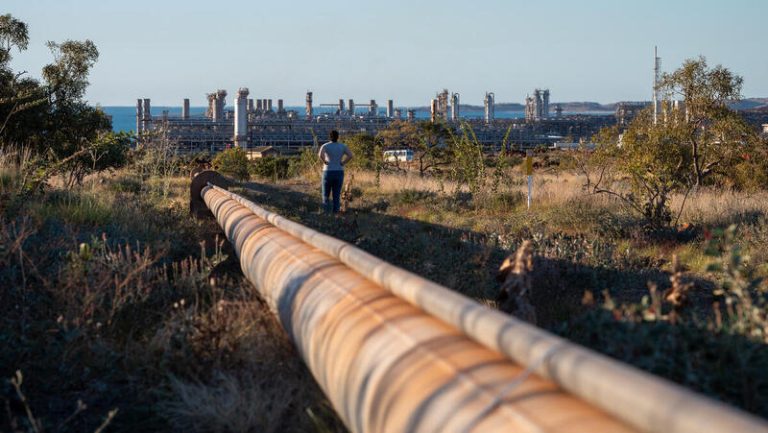
The fact is that Australia remains the world’s third-largest fossil fuel exporter, with 116 new coal and gas projects in the pipeline, some of which are slated to operate until at least 2070. This persistence in fossil fuel expansion is fundamentally at odds with the spirit of the Paris Agreement and poses a direct threat to the climate goals set by the international community.

Australia’s bid to lead Cop31 is a momentous opportunity for the nation to prove its dedication to addressing the global climate crisis. The world is watching, and the Pacific Island nations are looking for unwavering support, not empty promises.

And part of that must be conditionality attached to approving its Cop bid. We cannot afford another climate summit brought to you by the fossil fuel industry. The time has come to demonstrate that commitment to climate action is more than just rhetoric. It’s time to do the right thing, securing a climate safe future for all our countries.

Ralph Regenvanu is Vanuatu’s minister for climate change adaptation, energy, environment, meteorology, geohzards and disaster management

Cook Islands ready to host 52nd Pacific Islands Forum Leaders Meeting

0

The Cook Islands is ready for the 52nd Pacific Islands Forum Leaders Meeting which starts on Monday, 06 – 10 November in Rarotonga.

The host country expects 500 delegates, dialogue partners, civil society partners and media to attend the week-long meeting.

The Cook Islands Prime Minister, Mark Brown wrote on his Facebook “Security is in place as I meet with the Close Protection Officers (CPO) today (03 November 2023).

“Preparations are very much in full swing as the arrival of leaders start this weekend.”

Brown thanked the New Zealand Police for supporting their team here on the ground.


Adeang’s elevation to Nauru presidency brings concerns

0

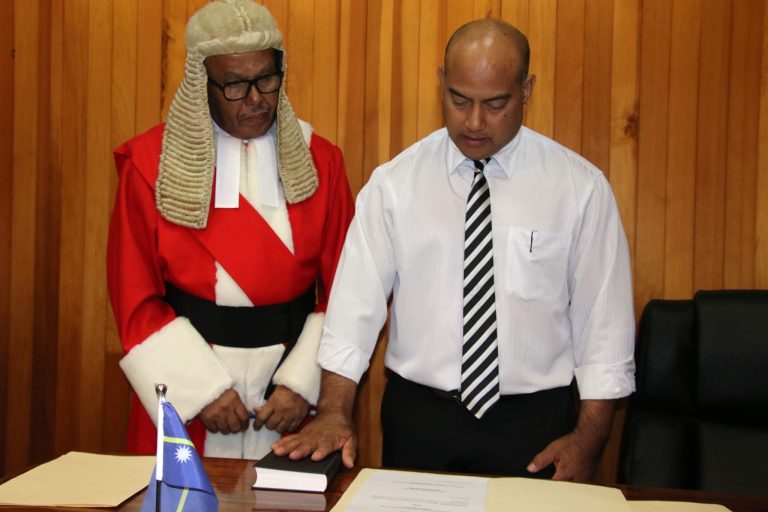
The elevation of long time Nauru politician David Adeang to the country’s presidency is raising concerns in a number of areas.

Adeang has become Nauru’s fourth president in the past four years after winning election on Monday following the removal of Russell Kun in a vote of no confidence last week.

His 22 years in parliament has seen him involved in a number of controversial actions.

Massey University senior security lecturer Anna Powles considers the most contentious of which was the removal of the chief justice and the resident magistrate.

It was followed up by the suspension of five opposition MPs from parliament and controversial legislative changes.

“He has been widely criticised, outside Nauru, for his role in that,” Powles said.

“There are absolutely concerns about the future in Nauru for the judiciary in light of his return to power as president.”

“There have been very serious concerns about the way in which the judiciary in Nauru has been treated”- Anna Powles

Regarding those five MPs, one of whom was a former president, an Australian judge Geoffrey Muecke was brought in by the Nauru government to hear their trial after charges were brought against them and 14 others for a protest outside parliament over the removal of the judiciary and suspension of the MPs.

Judge Muecke called the actions of the Nauru government “shameful”.

He eventually granted the protesters, who had become known as the Nauru 19, a permanent stay, after concluding they could not get a fair trial in Nauru because of continued government interference.

But that stay was overturned and the ‘Nauru 19’ were then tried and found guilty.

They could not defend themselves because they were denied legal aid by the court.

Adeang has also been embroiled in an ongoing investigation into corruption involving alleged kickbacks in the country’s phosphate industry.

RNZ Pacific has made multiple requests to the Nauru government for an interview with Adeang.

SOURCE: RNZ PACIFIC/PACNEWS

Nauru leader’s ouster more about domestic issues than China: Source

0

Former Nauru President Russ Joseph Kun’s ouster in a vote of no confidence was mainly due to “complicated domestic political disputes” despite the initiators of the motion being “China-friendly,” an unnamed diplomatic source told reporters in Taiwan Tuesday.

The source made the remarks after the Ministry of Foreign Affairs (MOFA) on Monday congratulated David Adeang after the senior Nauru parliamentarian was elected the new president of its Pacific ally earlier in the day.

The election of a new president took place after a vote of no confidence was proposed and passed last Wednesday against Kun, who became president in September 2022.

The source said that fortunately, Nauru’s new leader Adeang and his cabinet were even more supportive of ties with the Republic of China (ROC), the official name of Taiwan.

The Nauru government did not explain why a vote of no confidence was initiated against Kun in the first place.

Kun concluded a visit to Taiwan from 08-12 OCtober. Local media and scholars have speculated that his ouster could deal a blow to ROC-Nauru diplomatic ties.

Asked to comment on the incident, the unnamed diplomatic source told local media on Tuesday that the no-confidence vote against Kun was raised by very few “China-friendly parliamentarians,” although the main initiators of the motion were considered pro-Beijing.

However, the source said, it was complicated domestic political issues and personal disputes among parliamentarians rather than China that were the main reason the vote of no confidence was called.

Ultimately, the Nauru parliament elected President Adeang, who has long been friendly toward Taiwan and most recently visited the country twice in 2019 while serving as justice minister, the source added.

Adeang, the longest-serving member of Nauru’s parliament, also accompanied former Nauru President Ludwig Scotty for a visit to Taipei in 2005 when the latter signed an agreement to re-establish diplomatic relations between the two countries, the source said.

Meanwhile, Adeang’s newly formed cabinet includes many Taiwan-friendly members such as Lionel Aingimea, a former Nauru president who now serves as the country’s foreign minister, the source said.

According to the source, the new president and the makeup of his cabinet meant that diplomatic relations between Taiwan and Nauru had not been affected by the change in government.

The ROC first established diplomatic relations with Nauru in 1980 before the Pacific island cut ties with Taipei and recognised Beijing in July 2002.

In May 2005, the ROC and Nauru re-established diplomatic relations and opened embassies in each other’s capitals, under then-President Scotty. Beijing consequently severed its relations with Nauru.

SOURCE: CENTRAL NEWS AGENCY/PACNEWS

‘It’s just how life is here’: Vanuatu’s children devastated as cyclone season returns

0

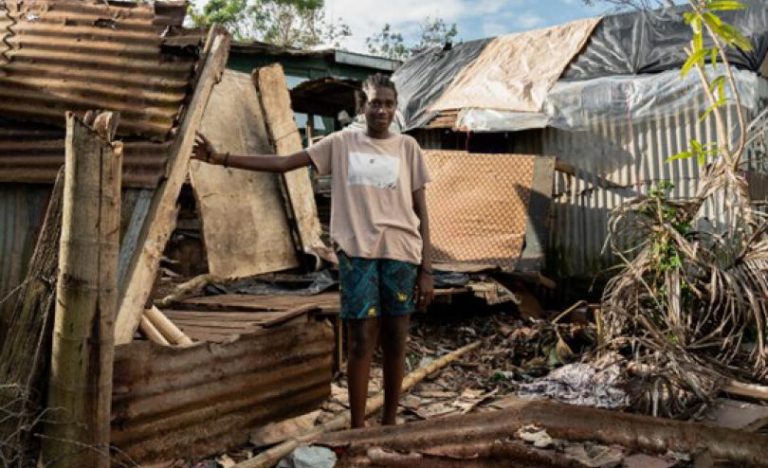
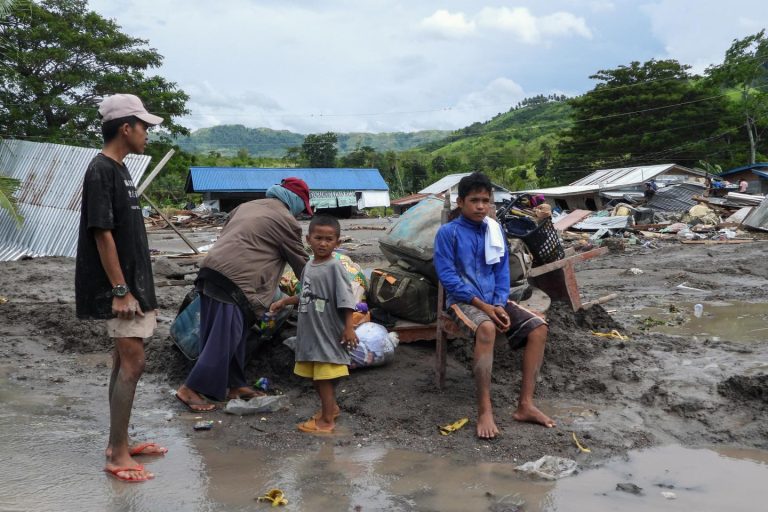
Tropical Cyclone Lola has claimed at least two lives – one of them a pregnant woman – and caused widespread damage to hundreds of homes, schools, and food gardens in Vanuatu, the government said on Tuesday.

More than 15,000 students have been impacted, the government said, with the category 5 super storm destroying classrooms across Ambae, Maewo and Pentecost islands.

Vanuatu is still recovering from twin cyclones Judy and Kevin, both category 4 storms that devastated the country in March, Disaster Management Minister Ralph Regenvanu said.

Last week’s storm came “well ahead” of the Pacific’s cyclone season, from November to April, he said.

NGOs warned that damage from all three super storms was extremely severe and had left ni-Vanuatu children even more fearful of what this cyclone season would bring.

Port Vila student Chloe said Cyclone Lola was a “scary experience”.

“We have had three terrifying cyclones this year, and it is not even November yet,” the 14-year-old told Stuff.

“For young people, especially those who have not already experienced cyclones, it can be very scary.

“You know a cyclone is coming and so you just have to sit there and wait for it. Seeing it come closer and closer can be a terrifying experience, but it’s just how life is here, and we can’t escape that.

“One of the hardest things is not being able to contact your family and friends and so you don’t know if they are OK or what the damage has been elsewhere in the country.”

Rachel, 16, said her family’s house was badly damaged during cyclones Judy and Kevin, and they were still repairing it when Lola struck, eight months later.

“We feel so hopeless, helpless, to be honest. You don’t know what to do, where to go or who to ask for help because everyone around you is suffering too.”

Regenvanu said the most heavily impacted areas included Pentecost, Malekula and Ambrym, where it was estimated that 50% of the homes had been damaged.

He said an estimated 80,000 people were “significantly impacted, including 40,000 children”.

The New Zealand, Australian and United Kingdom governments said their relief efforts were under way.

The Ministry of Foreign Affairs and Trade(MFAT) said Kiwis in Vanuatu are safe and assisting those who need help in their communities.

An RNZAF P-8A Poseidon had conducted an aerial surveillance flight on Thursday, 26 October, to support the initial damage assessments.

“Images and reports from this flight were given to the government of Vanuatu,” a spokesperson said, adding that New Zealand’s support was positioned out of the capital, Port Vila.

“Our humanitarian assistance includes a Royal New Zealand Air Force C-130 flight landing in Vanuatu on Monday, October 30, carrying essential humanitarian supplies including shelter kits, mother and infant kits, water, sanitation and hygiene kits, and chainsaw kits.

“A deployment of two experts from New Zealand’s National Emergency Management Agency to assist Vanuatu’s National Disaster Management Office with its response.”

MFAT said there was also funding available for ADRA New Zealand (Adventist Development and Relief Agency New Zealand) to provide relief supplies to impacted communities.

NGOs are also on the ground delivering shelter and hygiene kits to displaced people and setting up child-friendly spaces in the evacuation centres.

Save the Children said at least 100 schools were damaged, including 70 that have either been destroyed or need major repairs.

It is also setting up temporary learning spaces for older students who are due to sit their final exams in the coming weeks, Save the Children Vanuatu country director Polly Banks told Stuff.

“Climate-induced disasters disproportionately impact children and young people, particularly as a result of disruption to education and psychosocial trauma associated with ongoing experiences of intensifying disasters,” she said.

“It is terribly sad that just eight months on from the devastating twin cyclones in March, Vanuatu has now experienced another major cyclone.

‘It has also sadly claimed the lives of two people, including a pregnant woman from Ambrym Island, and destroyed or damaged hundreds of homes and schools.”

Banks said Ni-Vanuatu children were “extremely resilient”, but there was “not enough time” between these cyclones for the children and their families to recover.

She said while Vanuatu had prepared for future climate impacts, which included taking the country’s climate action to the United Nations, ni-Vanuatu children faced the greatest exposure to repeated climate disasters than other children in the world, “so they need all the support they can get”.

“We need to see real commitments from the international community to support Vanuatu and many other climate-vulnerable states around the world, including at COP28 in November.”

Chloe said she is proud of the work Vanuatu is doing to tackle the climate crisis, but warned her tiny island could not do it alone.

She has called on the international community to step up assistance.

“At the end of the day, we are not going to make a significant impact on helping to reduce emissions because we have a minuscule carbon footprint compared to some countries.

“Our contributions won’t change much all by itself,” Chloe said.

New Zealand said there was funding available to support additional requests from the government of Vanuatu.

“We will continue to work closely with our Vanuatu whānau, and consider any further assistance,” the MfAT spokesperson said.

SOURCE: STUFF NZ/PACNEWS

UNICEF concerned for children of the Pacific in the coming cyclone season

0

UNICEF is increasingly concerned for children’s wellbeing in the upcoming cyclone season.

Following the recent out of season Tropical Cyclone Lola, many children have already experienced three Category 4 cyclones in 2023, and four severe cyclones (including a Category 5) in three years. Current predictions suggest from 8 to 14 cyclones could be on their way across the Pacific countries, 4 to 6 of which are expected to reach Vanuatu.

In the immediate aftermath of Tropical Cyclone Lola, it is essential that we respond quickly to reach the most vulnerable to avoid the deterioration of their living conditions, with the supplies, resources and services that are urgently needed. UNICEF maintains a local warehouse stocked with emergency supplies that will now be distributed throughout the affected areas, with more on the way into the country. However, given the predictions for the season and increasing frequency of severe storms, it is equally essential to ensure a resilient and sustainable response in the longer term.

“There are five-year-olds in Vanuatu today who have feared for their lives four times in their short lifetimes, says UNICEF Pacific Representative Jonathan Veitch.

“We must prioritise long-term climate resilience and implement strategies that protect our environment, infrastructure, and most importantly, the well-being of our communities. It is not enough to provide life-saving support – health, education and water systems must be improved and strengthened, to better withstand the next major shock.”

While UNICEF Pacific and our partners are actively collaborating with governments to provide support, the situation in Vanuatu is particularly challenging due to the very remote location of many affected communities. Much more substantial and rapid commitments are needed to enhance community resilience in the longer term.

Children and young people are disproportionately affected by climate-related disasters. Repeated exposure to events such as these has profound effects on their wellbeing, psychological and physical health and puts them at heightened risk of contracting water-borne diseases through contaminated water supplies. In the longer term, this compromises their nutritional status, reduces their learning outcomes at school and prevents them from reaching their full potential. When essential services do not fully recover, vulnerability only increases the next time a cyclone hits.

Investment in resilient infrastructure and promoting sustainable practices can minimise the devastating effects of cyclones. The provision of services in these crisis-affected areas must consider not only the quality of infrastructure but also the capacity and preparedness of the service providers, including teachers, nurses and medical staff.

UNICEF Pacific therefore calls on partners to urgently work together to develop proactive measures designed to mitigate the impacts of future cyclones. We must provide the support needed to ensure that communities can withstand and recover from future natural hazards and the effects of the climate crisis.

SOURCE: UNICEF/PACNEWS

Fiji Military Chief concerned with non-consultative approach taken by the Government to reject the UN resolution on Gaza

0

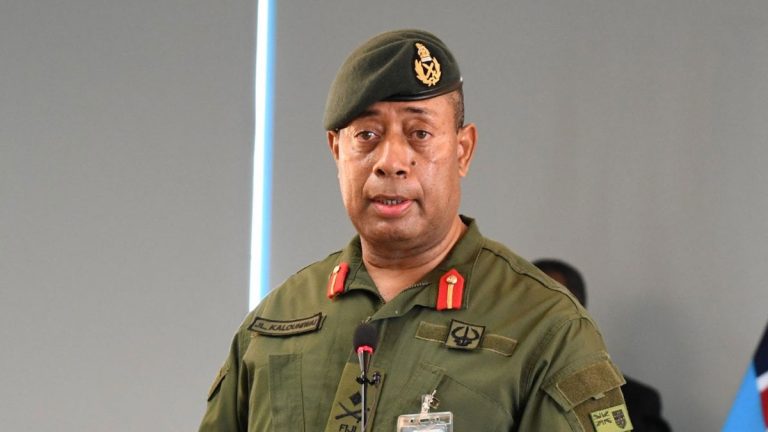
The Commander of the Republic of Military Forces, Major General Ro Jone Kalouniwai says the RFMF is deeply concerned with the non-consultative approach taken by the Government of Fiji in its recent decision to disapprove the United Nations resolution on Gaza.

In a statement, Major General Kalouniwai said it is disheartening to see a decision taken without due consideration for the potential impact on the safety and well-being of our brave men and women in uniform.

He said this decision has significant implications for the safety and security of the RFMF troops currently deployed in the Middle East.

The Commander said the RFMF acknowledges the government’s prerogative to make decisions regarding international affairs; however, consultation with relevant stakeholders, including the RFMF, was essential in determining positions on critical matters such as the UN resolution on Gaza.

Major General Kalouniwai sid the decision to disapprove the resolution without prior consultation has raised concerns about the potential risk and danger faced by Fijian soldiers serving in the region.

He said the RFMF has a proud history of contributing to international peacekeeping efforts, including deployments to the Middle East.

The Commander said the Fijian troops have consistently displayed professionalism, dedication, and a commitment to upholding the values of peace and security.

Major General Kalouniwai urged the government to recognise the importance of inclusive decision-making processes, particularly when matters have significant implications for military personnel.

He said consultation with the RFMF and other relevant stakeholders was crucial to ensure a comprehensive understanding of the potential risks and to develop a well-informed position that aligns with Fiji’s commitment to peacekeeping efforts and the protection of troops serving in international peacekeeping duties.

He further urged the Government of Fiji to reevaluate its decision regarding the UN resolution on Gaza and consider the potential consequences for troops deployed in the Middle East.

Major General Kalouniwai said their safety and security should remain a top priority, and it is crucial that their contributions to international peacekeeping efforts are fully supported and respected.

The RFMF Commander remains committed to working constructively with the government to address this issue and to ensure that the interests and well-being of Fijian soldiers are safeguarded.

He said the RFMF believes in the power of open dialogue, collaboration, and informed decision-making to achieve the best outcomes for Fiji and its military forces.

Meanwhile, Fiji’s Prime Minister Sitiveni Rabuka said the government stance on international matters is rooted in the fundamental principles of the United Nations.

“When we participate in global debates or consider resolutions, we prioritise the sovereignty of UN member states, as outlined in the UN conventions. Our approach hinges on whether the issues at hand affect the sovereignty of the states recognised as part of the UN”.

“For instance, in the recent resolution and amendment votes, Fiji supported the amendment put forth by Canada, acknowledging the origins of the issue without assigning blame. The original resolution lacked this acknowledgment, which is why Fiji couldn’t vote for it,” Rabuka said in a statement.

“Regarding specific resolutions, such as Resolution 425 and 426 establishing United Nations interim forces in Lebanon, our focus was on the sovereign states involved, namely Israel and Lebanon, and their internationally recognised border. The involvement of the PLO wasn’t the primary consideration; rather, it was about maintaining the internationally recognised boundaries and promoting peace in the region.”

“As for decision-making within the government, there are times when the Prime Minister must make unilateral decisions and stand by them. These decisions are made within the party framework, and members of Parliament are free to express reservations if they disagree with the Prime Minister’s stance. We value unity under the current leadership, including the three deputy prime ministers. Any reservations expressed by coalition partners are considered, and discussions are held within the party”.

“Regarding allegations that religious beliefs influence decision-making, it’s important to note that the safety of Fijian peacekeepers has always been a concern. Fijian troops have operated in challenging and often dangerous environments, even before recent developments”.

“The decision to volunteer Fijian troops for peacekeeping missions was made under the instruction of former Prime Minister Ratu Sir Kamisese Mara, and it was based on the understanding that threats would persist until peace is fully restored in the region”.

“Our commitment to peacekeeping remains unwavering, and we are resolute in our efforts to contribute to global stability,” said Rabuka in a statement.

SOURCE: FIJI VILLAGE/FIJI GOVT/PACNEWS

Fiji Government Minister Singh referred to FICAC

0

The Fijian Elections Office has referred the Minister for Sugar and Multi Ethnic Affairs, Charan Jeath Singh to the Fiji Independent Commission Against Corruption (FICAC) for probable breach of Section 114(1) of the Electoral Act 2014.

Acting Supervisor of Elections, Ana Mataiciwa said a complaint was received on 24 October 2023 from a member of the public regarding the Facebook posts made by Singh, confirming that he had made a promise during an election campaign to build two toilets and a shower block at Namanadamu Village.

“The complaint was forwarded to Singh on 26 October 2023 requesting his response to the allegations. On 28 October 2023, we received a response from Singh denying making a promise during an election campaign to build two toilets and a shower block at Namanadamu Village.”

“Singh also emphasised that during the election campaign he had informed members of the public that he would do his best for them, work in their best interest and the construction of toilets and shower block was part of this undertaking,” said Mataiciwa.

She reiterated that Section 114 of the Electoral Act 2014 states: “During the campaign period it shall be unlawful for political parties, candidates and their representatives, either personally or through other persons, to give or offer to any citizen money, gifts, materials goods of any value (except for campaign material) or services free of charge, to sell goods or services to persons at a preferential price, or to promise to provide any monetary fund , gift, material goods or services of any value for the purpose of gaining or influencing votes.”

Mataiciwa added that the FEO has found that the response given by Singh is not reasonably sufficient to merit the dismissal of the complaint as there might be a probable breach of section 114(1) of the Act.

“This has led to the complaint being forwarded to the Fiji Independent Commission Against Corruption [‘FICAC’] for their further investigation and decision on the matter.”

With FICAC currently being without a Commissioner, the complaint has been forwarded to Manager Investigations Central and Eastern Division, Kuliniasi Saumi.

SOURCE: FIJI LIVE/PACNEWS

Stay connected

529FansLike
172FollowersFollow
156SubscribersSubscribe
- Advertisement -