Home Blog Page 159

COP30 – Can the World deliver a consensus that secures the Blue Pacific?

0

By Dr Satyendra Prasad

Pacific’s leaders and civil society have been actively preparing for the United Nations Climate Conference in Brazil (COP30) for months now.

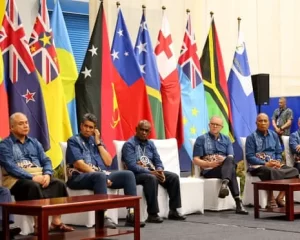
Its leaders were clear at the recently concluded Pacific Islands Forum Meeting in Honiara. They want to focus their attention on speeding up implementation of programmes. Finance and knowhow are the missing ingredients for that. They were unambiguous – the World is failing the Pacific.

The Chair of PIF – Prime Minister of Solomon Islands and the Prime Ministers of Fiji and Tonga were especially forceful at forums across the UN General Assembly following the PIF meeting. They said that speeding up responses to climate change is the regions greatest priority.

A $1 Billion Plus Infrastructure Deficit

Pacific’s leaders spoke about the infrastructure deficit arising from climate change. The region today needs well in excess of US$500 million annually to maintain its human and physical infrastructure in the face of rising seas and fiercer storms.

These are over 1000 plus primary and secondary schools, dozens of health centres across coastal areas in Solomon Islands, PNG, Vanuatu and Fiji that need to be repaired rehabilitated or relocated.

The region needs anything between US$300-US$500 million annually for a decade to climate proof critical infrastructure – i.e, airstrips, jetties, water and electricity and telecommunications.

The Blue Pacific’s infrastructure distress is a cocktail that is persistent in poisoning our human development progress. This has lethal consequences for our elderly, for children and the most vulnerable.

As a region, we often fail to tell the World with sufficient clarity that our region’s infrastructure distress is fundamentally and quintessentially a climate distress. This must change.

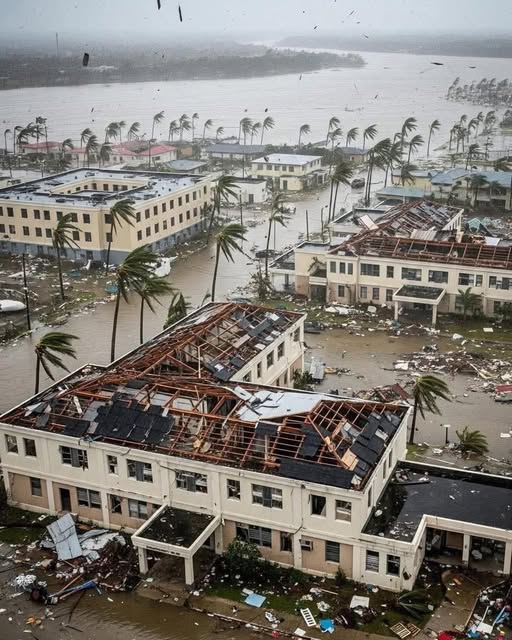
The constant cycle of catastrophe, recovery and debt are on autoplay repeat. The heart-braking images coming out of Jamaica and the Caribbean in the wake of Hurricane Mellissa makes this same point.

It does make our blood boil that the Pacific as a region attracts a woefully insufficient share of existing climate finance. Less than 1.5 percent of the total climate finances reach the World’s most climate vulnerable region today. This must change.

Gratitude to Vanuatu and Pacific’s Students

COP30 in Brazil will be the first COP after the International Court of Justice issued its advisory opinion on legal obligations of states in the face of climate change.

This opinion gives much needed energy to the Blue Pacific’s leaders and negotiators. All of the Blue Pacific owes its deepest gratitude to Pacific’s students for their courage and to Vanuatu for its leadership.

Is Our Planet Headed for a 3.0 Celsius World?

At COP30, the World will see what the new climate commitments add up to. Our best estimates today suggest that the planet is headed for a 3.0 Celsius plus temperature rise. This will be catastrophic for the Blue Pacific.

Life across our coral reef systems will simply roast at those temperatures. The regions economic lifeline and its food security will be harmed irreparably.

There will be massive consequences for tourism dependent economies. Bleached reefs bleach tourism incomes.

The health consequences arising from climate change are set to worsen rapidly. As will the toll on children who will fall further behind in their learning as schools remain inaccessible for longer periods; or who spend long hours in hotter classrooms.

For Pacific’s women, the toll of runaway temperature increase will be heavy – on their health, on their livelihoods and on their security. It will be too heavy.

A Deal for the Pacific at COP30

The World of climate change is becoming too transactional. Short termism and deal making have become its norm.

As Pacific Leaders, its civil society, its science community and its young engage at COP30 in Brazil, they are reminded that the Blue Pacific needs a settled outlook climate finance that will be available to the region. Finance must be foremostly predictable.

The region should not feel like it is playing a lottery – as is the case today. Tonga must know broadly how much climate finance will be available to it over the next 5 years, so must Palau and so must PNG.

At Bele’m, the World will need to agree to a road map for how the climate financing short fall will be met. This is a must to restore trust and faith in the global process.

Tonga’s PM Aisake Eke, PNG’s Prime Minister Marape, the Chair of PIF and Solomon Islands PM Manele have been firm in their recent messages. The developed World owes the Blue Pacific its just share of climate finance – not a tala more not a kina less.
The weight on hosts Brazil is extraordinarily heavy. Brazil is the home of the famous Rio Conference in 1992 where the small island states first succeeded in placing climate change, biodiversity loss on the global agenda.

The Small Islands States grouping today is chaired by Palau. President Whipps Jnr will lead the islands to Brazil. He will no doubt remind the host that the World has failed the small states persistently since that moment of great hope at the Rio Conference in 1992.

Quality and Pace of Climate Finance

There are three principal reasons why climate finance must flow to the Pacific on scale and speed. First is that most countries in our region have less than a decade to adapt. Farms and family gardens, small businesses, tourist resorts, villages and livelihoods need to adapt now to meet a climate changed world.

Secondly, if adaption is pushed into the future because of woefully insufficient finances – the window to adapt will be lost.

As more sectors of our economy fall beyond rehabilitation, the costs of loss and damage will rise. Time is of the essence. Loss and Damage remains poorly funded.

Everything for the BluePacific rests on a decent outcome on financing. The Pacific is well advised to seek to lock in both a quantum and a percentage.

Equally, it needs to make its clearest argument that its share of climate finance must be ring-fenced. That is a share of climate finance that remains available to the region even if demand is slow to take shape.

The Pacific’s rightful share of climate finance over the next decade is between 3-5 percent of the total across all financing windows. This is fundamentally because based the adaptation window is so short in such a uniquely specific way.

This should mean having access to a floor of $1.5 billion (USD) annually through to 2035.

Beyond Bele’m

The Belem Climate COP is an opportunity for the Pacific to begin to frame a larger consensus – well in time for COP31. It is my hope that Australia and Pacific’s leaders have done enough to secure the hosting rights for COP31.

A “Circuit-Breaker” COP31

COP31 must “a circuit breaker moment” for the Blue Pacific. The reversals in our development story arising from the climate chaos are just too burdensome. Repeated recoveries means that every next recovery becomes that much harder than the one preceding it.

Ask anyone in Jamaica and Caribbean today and you will hear this same message. Their finance ministers know too well that in no time they will be back at the mercy of international financial institutions to rebuild roads and bridges that have been washed away, water systems that have been destroyed and all other critical infrastructure.

Climate finance by its very nature therefore must involve deep changes to the architecture of international development and finance. The rich world is not yet ready to let go of privilege and power that it wields through an archaic financial international system.

But fundamental reform is a must and a necessary part of the overall effort by small states to reclaim agency and begin to shape their own destinies.

Future proofing

Climate change erodes memories. It disrupts spiritual connections to land and oceans. It hurts our past. Equally, it threatens our future as geographically bounded communities, as viable states and as viable communities.

The risks arising from climate change are so multi-faceted that economic and political stability cannot no longer be taken for granted in this region.

Conflicts over land lost to rising seas, the strain on education, health and water infrastructure, deepening debt stress take their toll on institutions through which stability is maintained.

The Blue Pacific needs to work with this heightened risk of fragility and state failure. This reality must shape the Blue Pacific expectations from a Pacific COP.

Building on the excellent work underway in climate ministries in Fiji, Vanuatu, Samoa, PNG and across the region through the SPC, SPREP, OPOC, I have outlined what the Pacific’s expectations could be from a Pacific COP31.

That COP must be about transformation and impact. Broadly, the Blue Pacific’s leaders may seek a consensus between the rich industrial World and large developing countries such as China and India in support of a Pacific Package.

A Pacific COP 31 Package

The core elements of a Pacific package at COP31 may be

(i) A Loss and Damage Fund that has become fully operational with a pipeline of investment ready projects from across the Blue Pacific.

(ii) Securing the Pacific Regional Infrastructure Facility (PRIF) as a viable and disbursement ready financing facility.

(iii) Securing defined and ring-fenced climate finance allocations for the Blue Pacific at the Green Climate Fund (GCF) and across international financial institutions.

(iv) Securing support for large “lighthouse” multi-country (or region wide) transformative programs to advance marine protection, protect biodiversity and promote sustainability across the Blue Pacific Ocean.

(v) A COP decision that is unambiguous on quality and speed of climate and ocean finance that will be available to small states for the remainder of the decade.

(vi) Securing sufficient resources that can flow directly to communities and families to rapidly rebuild their resilience following disasters and catastrophes including through insurance and social protection vehicles.

(vii) Ensuring that knowhow, resources and mechanisms for disaster risk reduction are in place, are fully operational and are sustainable.

An Ocean of Peace for a Climate Changed World

Fiji’s Prime Minister, Sitiveni Rabuka has introduced to the PIF the concept of the Blue Pacific Ocean of Peace. This has far reaching consequences for regions climate diplomacy.
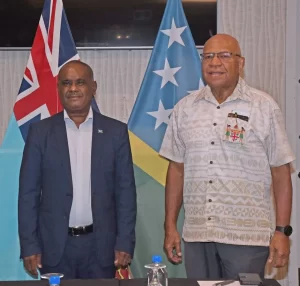
The Pacific’s leaders accept that the Ocean of Peace anchors its stewardship of our marine environment to the highest principles of protection and conservation. An Ocean of Peace super-charges the Pacific’s commitments to take forward transboundary marine research and conservation, end plastic and harmful waste disposal, end harmful fisheries subsidies and decarbonise shipping.

It boosts the Pacific’s call to main-frame the ocean-climate nexus into the international climate change frameworks at COP30.

A Window of Hope

Between COP30 and COP31 lies is a rare and a unique window of hope. The Blue Pacific can leverage this well and finally begin to win.

Both a Brazilian and an Australian Presidency provide supportive back-to-back spaces to take forward the regions desire to build and project a solid foundation of programmes and policies that are necessary to secure its future.

The stakes are so high. I join Pacific Islanders in wishing the Pacific’s leaders and policy makers great success. 

(Dr Satyendra Prasad is Senior Fellow at the Carnegie Endowment for International Peace and Fiji’s Former Ambassador to the UN. He is also the Climate Lead for Abt Global)

Pacific Island nations back Australia’s COP31 bid, push for “Pacific COP”

Pacific Island nations are rallying behind Australia’s bid to host the 31st United Nations Climate Change Conference (COP31), aiming for what they call a “Pacific COP.”

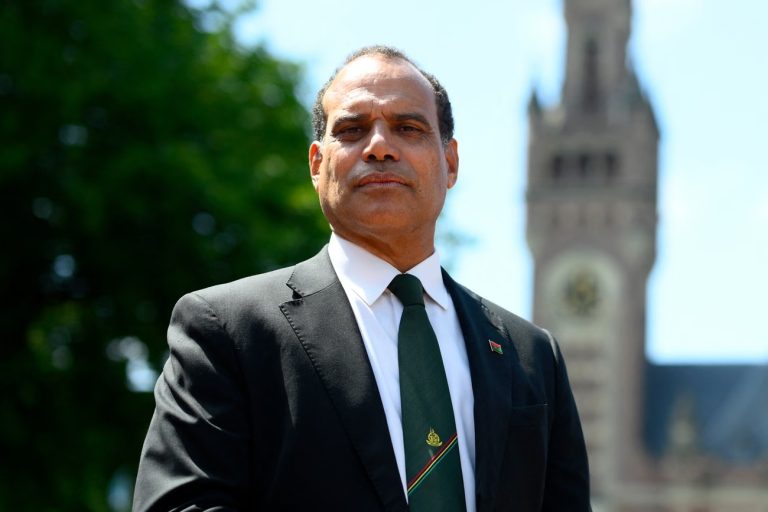
Vanuatu’s Climate Change Minister, Ralph Regenvanu, reaffirmed the region’s support and readiness to assist in the lead-up to the final decision.

“Time is running out… we have made a number of statements over the years saying we support the bid, we want the bid to be given to Australia in the form of a Pacific COP,” Regenvanu said.

“As we’ve conveyed to Australia, we, the Pacific Island States, still stand ready to assist if there’s anything we can do before that critical time of the last week of COP for the decision to be made.”

Speaking at a media briefing ahead of COP30 in Belém, Brazil, from 10 to 21 November 2025, he highlighted recent diplomatic efforts.

“We went to the UN General Assembly in September in New York, where there was a considered effort to try and bring Australia and Turkiye together, and the Pacific Island states were there, ready to come with Australia to push for this,” he said.

“What happened there is that Turkiye didn’t allow us to come into the room; they only allowed Australia to go in and talk. And that opportunity obviously hasn’t produced a compromise.”

Despite the setback, he reaffirmed the Pacific’s collective backing for Australia’s bid and the vision of a Pacific COP.

Meanwhile, ABC Pacific reports that Australia remains in prolonged negotiations with Türkiye as both countries seek a compromise that would allow Australia to host COP31 with Pacific nations in 2026.

‘Yawning gap’ remains between climate adaptation funds and funding pledges

0

Developing countries are receiving less than 10 percent of the money they need to adapt to a world increasingly vulnerable to extreme weather – putting lives, livelihoods and entire economies at risk, the UN revealed on Wednesday.

That’s the main message in this year’s Adaptation Gap Report from the UN Environment Programme (UNEP).

By 2035, developing nations will need well over US$310 billion per year in dedicated funding to adapt to a planet increasingly altered by polluting fossil-fuel emissions, the report states.

“Climate adaptation” refers to the ways countries respond to actual or expected climate change and its effects, to moderate the harm caused.

Examples include flood defences such as seawalls, improved drainage systems, or elevating roads and buildings. In 2023, vulnerable countries received around US$26 billion.

UN Secretary-General António Guterres, who warned on Tuesday that humanity’s failure to limit man-made global warming to 1.5ºC above pre-industrial levels will lead to “devastating consequences,” said on Wednesday that the adaptation gap leaves the world’s most vulnerable people exposed to rising seas, deadly storms, and searing heat.

“Adaptation is not a cost – it is a lifeline,” declared the UN chief. “Closing the adaptation gap is how we protect lives, deliver climate justice, and build a safer, more sustainable world. Let us not waste another moment.”

Although far more needs to be done, the report notes that visible progress is being made to close the gap.

For example, most countries have at least one national adaptation plan in place, and climate funding for new adaptation projects rose in 2024 (although the current financial landscape means future funding is in jeopardy).

The latest adaptation data will help negotiations focused on tackling the climate crisis at the annual UN Climate Conference.

This year’s event, COP30, is being held next month in Belém, Brazil, where ramping up financing for developing nations will be high on the agenda.

At last year’s UN Climate Conference in Baku, Azerbaijan (COP29), a new goal – the Baku to Belém Roadmap – was launched: US$1.3 trillion for climate finance – from public and private sources – by 2035.

This is not just for adaptation, it also covers the transition to economies that don’t rely on fossil fuels for energy.

The authors of the Adaptation Gap report agree that the roadmap could, if implemented, make a huge difference, but the devil is in the detail.

They argue that funding should come from grants rather than loans, which would make it even harder for vulnerable countries to invest in adaptation.

Speaking at the launch of the report on Wednesday, Inger Andersen, Executive Director of UNEP, called for a global push to increase adaptation finance – from both public and private sources – without adding to the debt burdens of vulnerable nations.

Investment now, she said, will avoid the cost of adaptation escalating.

Underscoring the urgency of adapting to the changing climate, the World Health Organisation (WHO) announced on Wednesday that climate inaction costs millions of lives each year.

The findings are contained within the latest Lancet Countdown on Health and Climate Change on Wednesday, which shows continued over-reliance on fossil fuels, coupled with a failure to adapt to a heating world, are already having a devastating toll on human health in all countries, rich and poor.

The rate of heat-related deaths, for example, has gone up by 23 percent since the 1990s, to an average 546 000 deaths per year. Droughts and heatwaves added 124 million people to the numbers facing moderate or severe food insecurity in 2023, and heat exposure caused productivity losses equivalent to US$1.09 trillion to be lost.

Despite the human and economic costs, governments spent US$956 billion on net fossil fuel subsidies in 2023, more than triple the annual amount pledged to support climate-vulnerable countries: fifteen countries spent more subsidising fossil fuels than on their entire national health budgets.

“We already have the solutions at hand to avoid a climate catastrophe,” said Dr Marina Romanello, Executive Director of the Lancet Countdown at University College London.

“Communities and local governments around the world are proving that progress is possible. From clean energy growth to city adaptation, action is underway and delivering real health benefits – but we must keep up the momentum.”

Dr Romanello described the rapid phase out of fossil fuels in favour of clean renewable energy and efficient energy use as the most powerful lever to slow climate change and cut deaths, estimating that a shift to healthier, climate-friendly diets and more sustainable agricultural systems would massively cut pollution, greenhouse gases and deforestation, potentially saving over ten million lives a year.

WHO calls for collective action to expose alcohol harms and support stronger regulation

0

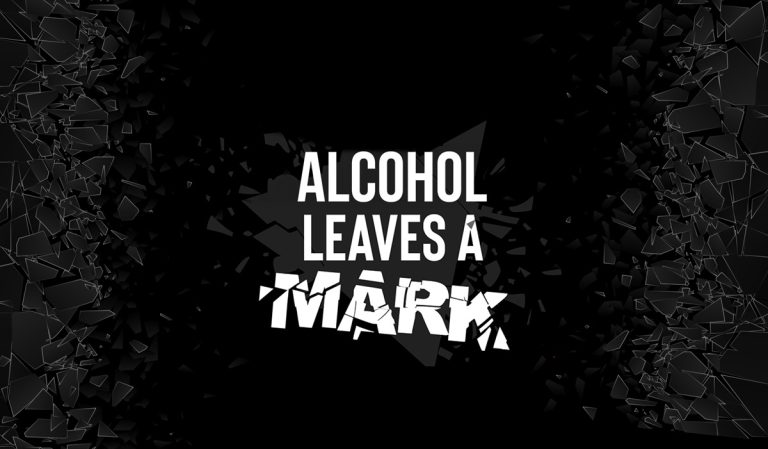
Every drink leaves a mark – on health, on families and on societies. Behind every toast, alcohol insidiously takes its toll as a contributor to a range of negative consequences including cancers and liver disease, road crashes, violence and broken families.

To counter these effects of alcohol, the World Health Organisation (WHO) Regional office for the Western Pacific is launching “Alcohol Leaves a Mark” − a regional advocacy campaign urging stronger policies and regulation to protect people from the far-reaching harms of alcohol.

This follows a resolution on alcohol control unanimously endorsed by all 38 Member States and areas of the Western Pacific Region at the seventy-sixth WHO Regional Committee Meeting (RCM76) held in Fiji on 20-24 October.

Alcohol-related causes kill half a million people each year in the Western Pacific – nearly one person every minute. It is linked to more than 200 diseases and injuries, with impacts that extend far beyond those who drink – harming families, communities and the social fabric that binds them together.

“Alcohol is no ordinary commodity. It is a discretionary, non-essential product that harms not only those who consume it, but also others, leading to a heavy burden on health and societies. It leaves a lasting mark,” noted Dr Saia Ma’u Piukala, WHO Regional Director for the Western Pacific.

“We must urgently raise awareness and drive action. Governments have the tools – many of them simple yet effective – to regulate alcohol, reduce its harms and protect the most vulnerable, especially children and young people.”

A campaign for awareness and action

Alcohol Leaves a Mark aims to highlight the harms of alcohol and call for stronger regulation to protect people’s health and well-being. The campaign exposes how alcohol is marketed and normalised despite its damaging impacts on individuals, families and communities, urging collective action to reduce alcohol harms.

Through videos, posters and social media storytelling, the campaign exposes alcohol’s ripple effects – ranging from harm to health and addiction, to family separation, violence, road injuries and death. Each story reminds audiences that the actual cost of alcohol is paid by people and communities.

The campaign invites policy-makers, health partners, media and the public to share campaign materials, start conversations and support evidence-based regulation. “This campaign is a call to awareness and collective action,” said Dr Piukala.

“Once we recognise how deeply alcohol harms our loved ones and communities, it’s clear that regulation must be put in place to protect them.”

In 2022, per-capita alcohol consumption in the Western Pacific region averaged 5.2 litres – higher than the global average of 5.0 litres. Meanwhile, alcohol marketing continues to normalize drinking and target youth through a variety of digital platforms. Without stronger regulation, consumption is projected to rise further.

The Alcohol Leaves a Mark campaign supports the implementation of the WHO Global Alcohol Action Plan 2022–2030 and the SAFER technical package, which outline the most cost-effective measures to reduce alcohol-related harm. These include:

*Raising taxes and pricing on alcoholic drinks;
*Restricting availability;
*Banning or comprehensively restricting alcohol marketing;
*Enforcing drink−driving countermeasures; and
*Providing accessible screening, brief interventions, treatment and support for alcohol use disorders

“Every policy that reduces alcohol use, when implemented and enforced, reduces harms and saves lives,” emphasised Dr Hiromasa Okayasu, Director of Health Promotion at the WHO Regional Office for the Western Pacific.

“We can no longer afford to see alcohol harm as inevitable − it is preventable and evidence-based policies work.”

This is a clear message delivered to ministers of health from across the Western Pacific Region at RCM76 last week. Alcohol control was deemed a high priority and governments across the Western Pacific have endorsed the need for urgent action.

“Together, we can reveal alcohol’s harms − and prevent new ones from happening,” said Dr Piukala. “Join the movement. Share the campaign. Support stronger alcohol regulation. Remember − #AlcoholLeavesAMark. Let’s #RegulateAlcoholNow.

Pacific Youth Activists to demand end to fossil fuels and Climate reparations at COP30

0

By Jean Marc ‘Ake, USP intern

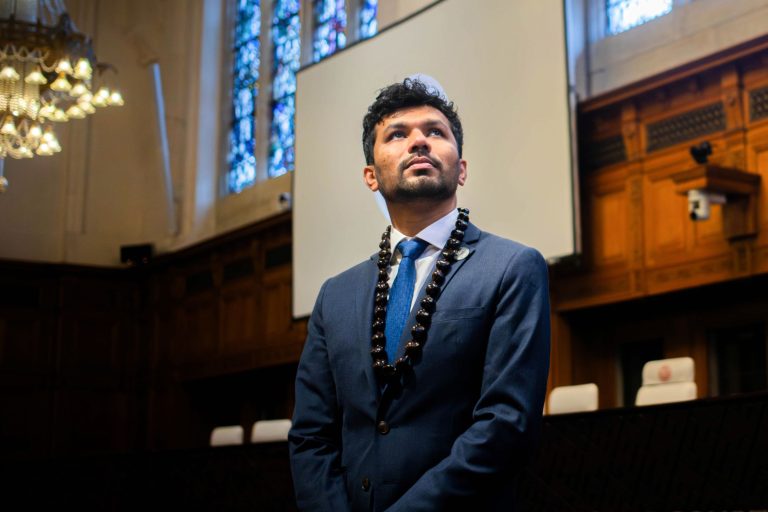
With the 30th United Nations Climate Change conference (COP30) in Belém, Brazil, looming closer, Vishal Prasad, the Director of the Pacific Islands Students Fighting Climate Change(PISFCC) and other activists are set to make their mark on the world stage yet again.

The PISFCC were responsible for demanding legal accountability for climate change at the International Court of Justice.

What unfolded was the biggest case in history and the delivery of the ICJ’s Advisory Opinion on states’ obligations in relation to climate change.

This historical landmark decision has major implications for accountability, ambition, and climate diplomacy heading into COP30.

During an online media briefing on Wednesday, Prasad stated that the ICJ’s ruling acts as a guideline of informing the world of what must be done and how to measure action.

With this legal clarity, Prasad said they will demand two things at COP30 that would ensure compliance with international law.

“First is that the ICJ reiterates that the IPCC (Intergovernmental Panel on Climate Change) is the best available science for global climate policy and states that and states that it must use all the means at their disposal to prevent climate harm, said Prasad. “That means regulating the full life cycle of fossil fuels from production, licensing, consumption, and subsidies.”

“The advisory opinion confirms that states must cooperate in good faith to prevent significant climate harm and that this cooperation must be anchored in the 1.5° C limit.”

Prasad explained that if a policy or a plan is inconsistent with the 1.5° C goal or props up fossil fuels, it is on the wrong side of international law.

They will demand an outcome that translates this into practice, as well as commitment to end fossil fuel and phasing out, as well as the end of fossil fuel subsidies, which Prasad says are necessary steps to discharge legal obligation.

Their second demand is reiterating the ICJ’s statement that developed countries have a legal obligation to provide finance.

This applies for reparations through the loss and damage funds for climate harm that have been suffered.

Prasad said that this fund should be capitalised and operational with direct access for frontline communities.

“The advisory opinion strengthens the case that reparations for climate harms already suffered are not optional add-ons…the flow from the duties that have now been clarified by the court.”

What this would mean is that developed countries with greater historic responsibility and capacity would be expected to move first and at a larger scale by pledging and providing real money and clear timelines.

“Our message at COP is clear and very simple: end fossil fuels, fund the transition and protect rights,” he said.

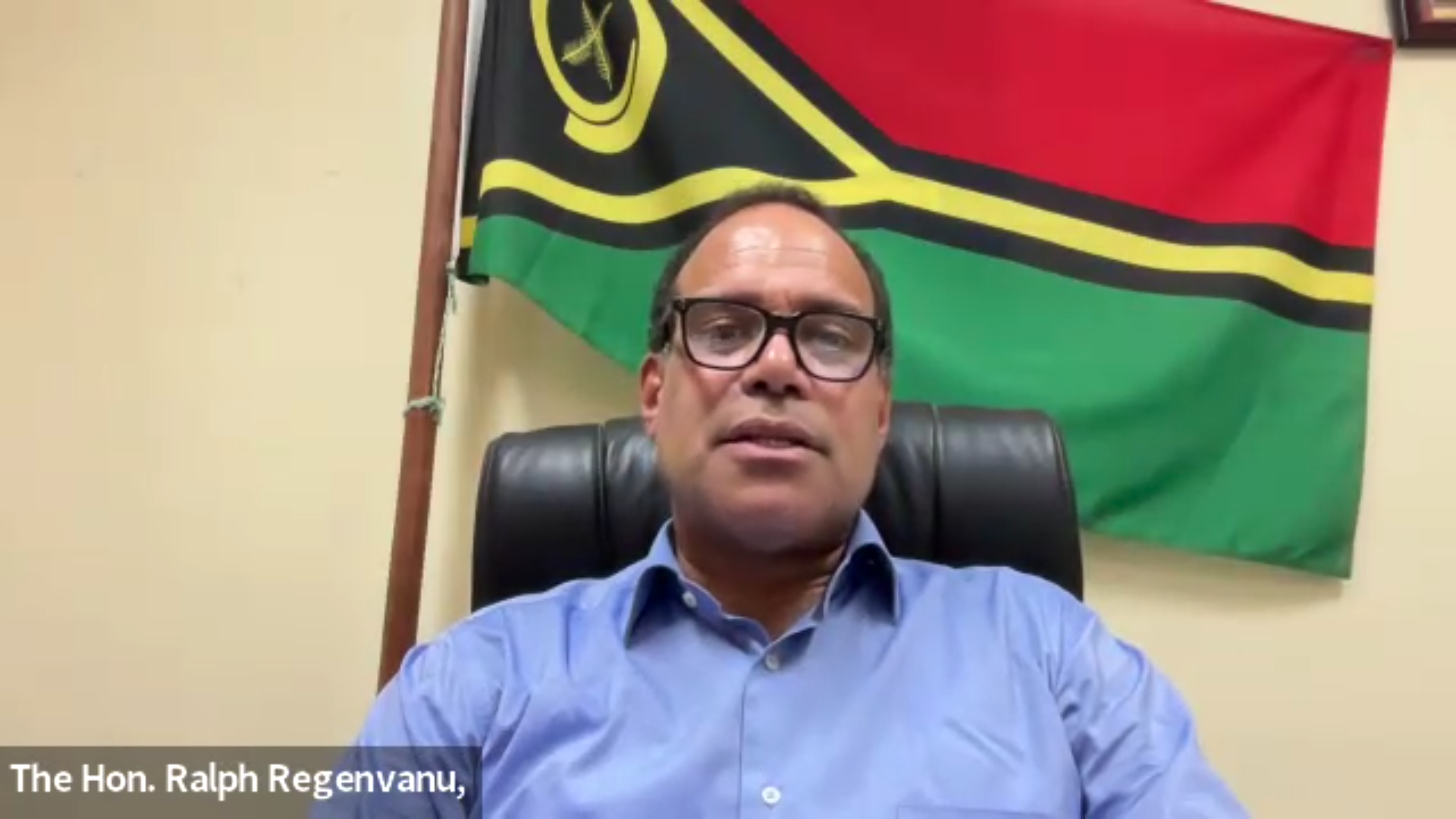
Vanuatu’s Minister of Climate Change, Ralph Regenvanu. Photo: Screengrab

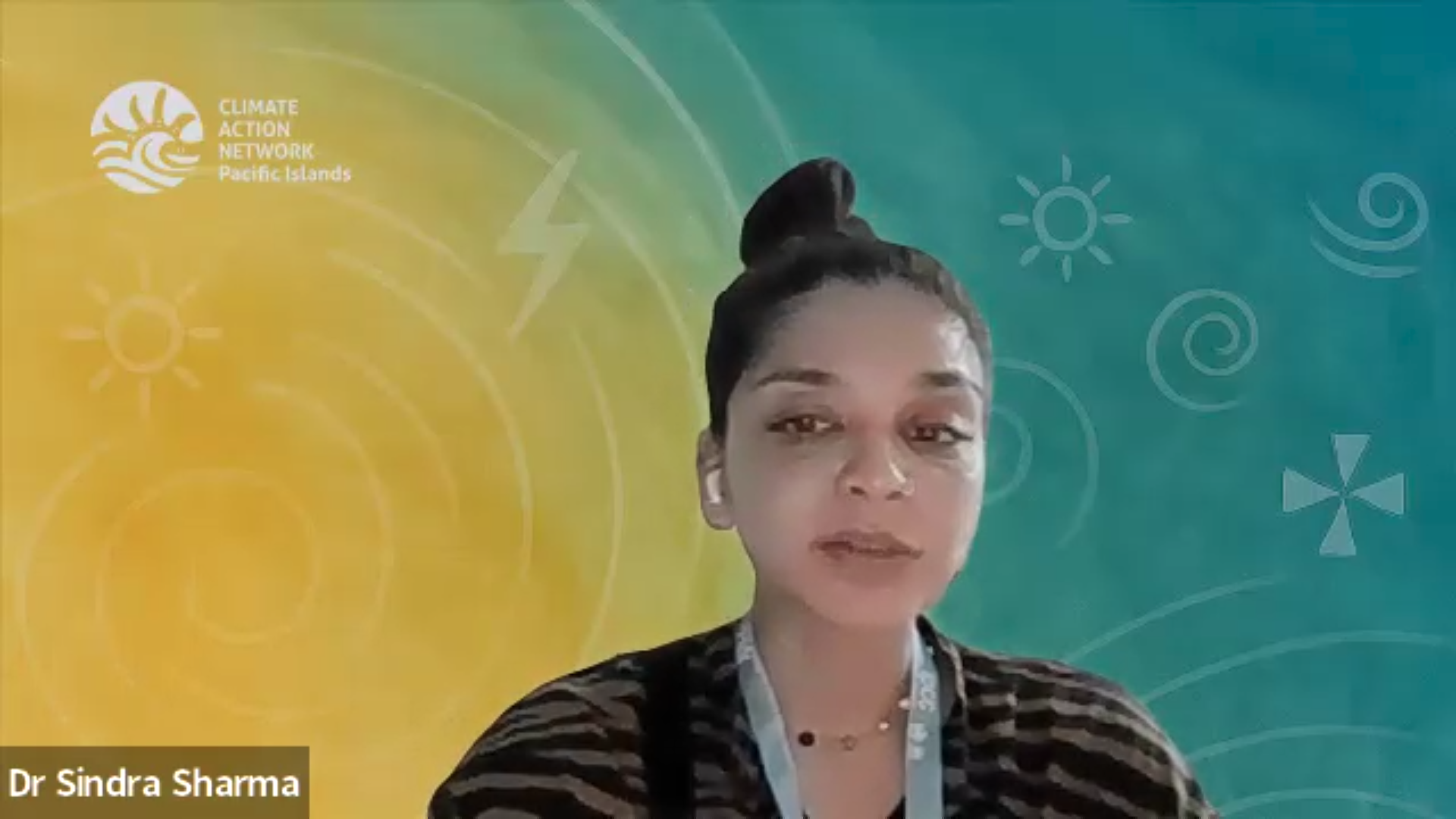
Meanwhile, Vanuatu’s Minister of Climate Change, Ralph Regenvanu, was also present at the briefing together with Dr Sindra Sharma from the International Policy Lead at the Pacific Islands Climate Action Network (PICAN).

Regenvau said that Vanuatu is working on a resolution to bring the advisory opinion to the general assembly in New York.

“We are now working on a resolution to bring it back, to get another vote on the floor of the general assembly to accept and adopt the advisory opinion and also to emphasise certain actions coming out of it that will operationalise the obligations outlined in the AO.”

The draft for this resolution, which is a collaboration between a core group of states, is expected to be released this week by the UN.

Regenvanu said his nation will take the resolution to the COP and socialise it with the hopes they could then take it to the general assembly in December or January.

He cited that one of the reasons they’ve decided to do this is because they have low expectations of COP, and they expect that some of the frustration that will arise from COP would add to the support for the resolution at the UNGA.

Dr Sharma echoed Prasad and Regenvau’s comments for the need for policies to keep up with climate science.

Dr Sindra Sharma from the International Policy Lead at the Pacific Islands Climate Action Network (PICAN). Photo: Screengrab

She said that science no longer just guides the law but sets the due diligence standard.

It’s with this sentiment that they’re going into this COP30 with which is of course correcting the trajectory of travel in accordance with the NDC, which is limiting global warming to 1.5 degrees Celsius.

“So, at COP30, this means a 1.5 align pathway is not just optional language.”

“It’s a legally relevant reference point for judging adequacy, and it means that near-term real economy reductions in CO2 are non-negotiable and action on short-lived pollutants like methane are definitely necessary, but it’s not a substitute for deep reductions in CO2 emissions we need to see.”

“So, addressing the core problem of fossil fuels.”

COP30 will run from 10 – 21 November and will feature a special head of state summit between 06 – 07 November.

PM Marape welcomes fresh motion of vote of no confidence

0

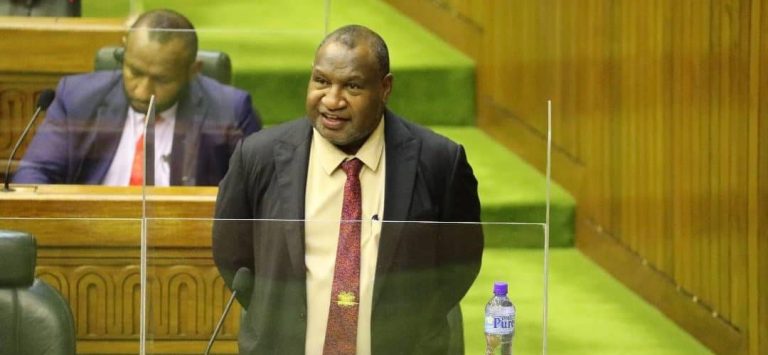
Papua New Guinea Prime Minister James Marape has welcomed yet another motion of vote of no confidence filed by the Opposition in Parliament Wednesday, 29 October 2025.

He said it is part of the democratic process and reflects the Constitutional rights of Members of Parliament to choose their leaders freely and without pressure.

Speaking after Parliament was informed of the new motion’s admission by the Private Business Committee, Prime Minister Marape said he holds no fear or resentment towards the process.

He said he will not resort to Political Camps or “behind-the-scenes lobbying” as often seen in past political struggles.

Prime Minister Marape has welcomed any challenge. He stated it is not the first and may not be the last. But remains focused on governing and serving the country.

The Prime Minister emphasised that he has faced multiple Political and Legal challenges since assuming Office on 30 May 2019, including the 2020 Political Impasse, numerous court cases, and repeated attempts to destabilise his government.

“We faced politics in 2020, 2021, 2023, 2024, and now again in 2025. But through it all, our government has stood firm. We delivered the highest number of MPs returned for any Party in a National General Election since the Somare Government in 1982 National General Election. We have grown our country’s economy by over K50 billion (US$11.84 billion) since 2019. The records speak for themselves — in economic management, infrastructure delivery, and service expansion,” he said.

The Prime Minister reaffirmed his commitment to democratic principles and political maturity, saying that Papua New Guinea must move away from the destructive culture of political camps and secret deals.

“Under my watch, there will never be a Political Camp. We have just celebrated 50 years of Independence. It is time we mature as leaders. Members of Parliament have the full freedom to make their choice without coercion, without fear, and without inducement. Exercise your God-given Freedom of Choice,” he declared.

PM Marape said that history has shown that frequent changes in Government between 1975 and 2002 contributed to the country’s slow growth and instability. He urged all Leaders to rise above narrow politics and place national interest first.

He also made it clear that he will not interfere with the process or engage in political maneuvering, saying he will even travel out of the country next week to give MPs total freedom to make their choice in his absence.

Meantime, he called on ordinary Papua New Guineans to also prepare for their moment of choice, reminding them that the 2027 National General Election is only 14 months away.

“I encourage every Papua New Guinean who has a political opinion — your right to construct a government comes at the polls in 2027. Vote purposely. Vote for a Leader of your choice and for a Party that represents your values,” Prime Minister Marape urged.

He reminded the nation that democracy gives equal opportunity to every citizen and political party to seek a mandate through the ballot, not through destabilising Parliament.

“This Vote of No Confidence motion is just a distraction. Let us remain focused on the real opportunity ahead — the 2027 Elections,” he said.

Heavy caseload reflects ‘sign of trust’ from governments, says World Court president

0

The International Court of Justice (ICJ), also known as the World Court, is the UN’s top international judicial body, making rulings involving disputes between countries that affect perceptions and legal definitions worldwide.

The International Court of Justice (ICJ), also known as the World Court, is the UN’s top international judicial body, making rulings involving disputes between countries that affect perceptions and legal definitions worldwide.

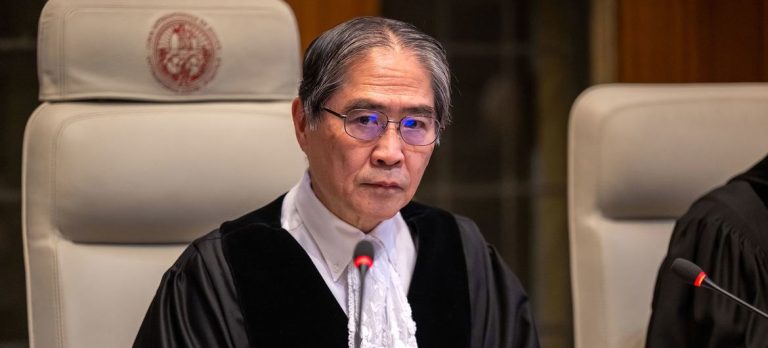
The new President of the ICJ, Yuji Iwasawa, spoke to UN News about how the court operates to de-escalate international conflicts, its responsibilities and what he hopes to achieve during his time in office, which began in March this year.

He also spoke about the significance of major advisory opinions issued this year in Israel and the climate crisis. Advisory opinions are non-legally binding decisions that can have a normative global impact and provide clarity about international law.

UN News: The World Court is not so well understood by the public. What are the key things that citizens need to know, and how would you describe the court’s value to international diplomacy, law and governance?   

Yuji Iwasawa: The International Court of Justice is the principal judicial organ of the United Nations. The task of the court is to settle disputes between states peacefully.

In The Hague, where the ICJ is located, there is also the International Criminal Court, and people often confuse these two courts. The ICJ would deal with interstate disputes, not individuals. It’s important that the ICJ settle disputes among states peacefully on the basis of international law. That’s our task.

UN News: Many of the cases before the World Court have important political dimensions, and the decisions the court makes can lead to strong polarising reactions. How does the Court deal with these issues, and the skeptical view of some that the court is unfair?

Yuji Iwasawa: It’s important to note that the court can act only when the states give consent to its jurisdiction. States often bring a part of a bigger dispute to the ICJ, maybe only one aspect of the dispute, and in the form of a legal question.

There are these limitations to the work of the court, but of course, this doesn’t mean that the court is blind to the political context or often human suffering which is behind many of the cases.

But because it’s a court, the task is to apply international law to the legal questions put to the court by the states and within the scope of the jurisdictional limitations.

UN News: Last week, as President of the Court, you read out an advisory opinion on Israel related to its obligations to Palestinians living under occupation. Israel rejected it outright. Could you explain to listeners how the court operates in cases like this one? What are the limits of the court’s power, and what force doing an advisory opinion have?

Yuji Iwasawa: The court has two kinds of cases. One, contentious cases between States – State A brings a case against State B, and the court makes findings on whether State B has violated international law or not and issues judgment which is legally binding on the parties.

Another type of case is ‘advisory opinion’ – international organs make a request to the court to give advisory opinions, and the court interprets international law in good faith and explains in clear terms what states are required to do under international law.

Advisory opinions are not strictly speaking, legally binding, but are often regarded as authoritative statements of international law.

In the advisory opinion that you referred to, the UN General Assembly asked a question to the court to clarify the obligations of Israel in relation to Occupied Palestinian Territory.

The court’s task was to reply to this question, and the court interpreted international law in good faith and clarified the obligation of Israel. This is what the court was asked to do and what the court did. Now, it’s for the General Assembly, which requested the opinion, to decide on the future course of action based on this advisory opinion.

UN News: In July, in a highly anticipated advisory opinion, the Court affirmed that States have “an obligation to prevent significant damage to the environment.” What is the significance of this decision?

Yuji Iwasawa: In December last year we had a hearing for two weeks. There was very strong interest from states and international organisations in these proceedings – 90 states and 11 international organisations participated.

Six of these States pleaded before the court for the first time. The court analysed these submissions by states and international organisations and then issued an advisory opinion in July. In this opinion, the court said that the obligation to prevent significant harm to the environment is a norm of customary international law.

This is a very important point that the court made. Also, the court said that the standard to assess the compliance of states with this obligation to prevent significant harm is stringent, which is very important.

In the past few years, there has been a lot of so-called climate change litigation before domestic courts, regional courts and international courts. This advisory opinion that the court issued in July may be referred to in these climate change litigations which are already ongoing or may be brought in the future.

UN News: As the newly appointed President of the World Court, what would you like to achieve during your tenure? What difference do you hope to make?

Yuji Iwasawa: First, trust in the court. We have many cases before the court in its docket – it is a sign of trust States have in the court, and I would like to maintain this trust by delivering judgments and opinions of the highest quality and making sure that states will continue to have trust and faith in the ICJ.

Secondly, I would like to improve the working methods and make the procedure of the court efficient to deal with the increasing caseload.

Thirdly, I’d like to make the court more accessible to the public; to make sure that people know about our work. We are celebrating the 80th anniversary of the inaugural session of the court next year in April, and one of the plans we have is to produce short videos so that people will know the work of the court better.

Pacific must turn global promises into local action: Forum SG Waqa

0

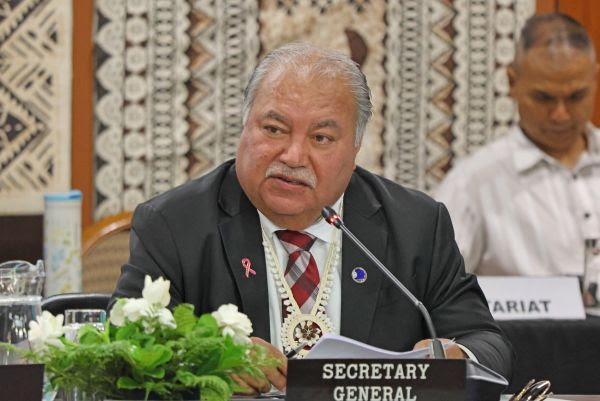
Forum Secretary General Baron Waqa says the Pacific must move beyond global ambition and focus on delivery at home to achieve the 2030 Sustainable Development Goals.

Speaking at the opening of the 9th Pacific Forum on Sustainable Development Wednesday, Waqa said the meeting provides “a platform for dialogue and collaboration to reaffirm our shared vision towards action-oriented initiatives for our region.”

“The theme for the week: ‘Transformative, equitable, innovative and coordinated actions for the 2030 agenda and its SDGs for a sustainable future for all’ is fitting,” Waqa said.

He reminded delegates that the Forum follows the 54th Pacific Islands Forum Leaders Meeting in Honiara and the strong engagement of regional leaders at the 80th Session of the United Nations General Assembly.

“At the regional and global platforms, our Leaders amplified our shared priorities on climate action, peace and security, gender equality, disability inclusion, youth empowerment, children’s wellbeing and multilateral reform,” he said.

Waqa said the Pacific continues to navigate complex global landscapes but remains committed to partners who support action on climate change, trade and economic resilience, and public health.

“The 2030 agenda reflects our common challenges and sets targets—it is clear that there is urgent work required of us to meet the ambitions we have set for ourselves,” he said.

He stressed that implementing global commitments such as the 2030 Agenda, the Beijing Platform for Action, and the World Programme of Action for Youth requires delivery at the local level.

“This Pacific Forum on Sustainable Development is one of the regional mechanisms that converts those global commitments into coordinated Pacific actions,” Waqa said.

Highlighting progress on Sustainable Development Goal 6, Waqa said the Pacific Water and Wastewater Conference hosted in Solomon Islands in August elevated water security at the highest level.

“The theme for the conference ‘Water and Wastewater for all: connecting people, policies and communities for a shared sustainable future’ brought together utility professionals, policymakers and water experts,” he said.

He added that Forum Leaders discussed the outcomes of the conference and are strengthening water and wastewater services across the region, including sustainable financing and capacity building for water security.

On Sustainable Development Goal 11, Waqa praised the efforts of 27 law students from Vanuatu who helped secure the landmark advisory opinion from the International Court of Justice (ICJ) on climate change and human rights.

“The first for smaller island countries who continue to advocate and call for action and urgency to address the injustice and the life-threatening impacts of climate change in our communities, especially our most vulnerable,” he said.

Waqa also highlighted progress on the Pacific Resilience Facility (PRF), describing it as a Pacific-owned financing mechanism for resilience building.

“Our Leaders signed the PRF Treaty at the Forum Meeting held in Honiara in September—the evening was a very proud and emotional moment for many of us in the room,” he said.

He noted that Solomon Islands had gone a step further by pledging US$1 million at the margins of the World Bank meeting two weeks ago.

Waqa also underscored progress under Goal 9, noting the Pacific Strengthening Correspondent Banking Relationships Initiative as a landmark effort to address banking challenges across the region.

“This initiative, the first of its kind globally, brings together eight and soon to be nine Pacific countries that have collectively pooled their IDA allocations from the World Bank,” he said.

Through this collaboration, a Pacific Payments Mechanism is being developed to provide a long-term, sustainable and regionally owned solution to correspondent banking issues.

He also highlighted to the Pacific Regional Private Sector Development Strategy, endorsed earlier this year, to support the growth of micro, small and medium enterprises.

Waqa reaffirmed that partnerships are central to achieving the SDGs, particularly Goal 17.

“To our UNESCAP colleagues who are partnering with us on this dialogue, thank you for continued engagement and support on a number of initiatives that have been endorsed by Leaders such as the Pacific Climate Mobility Framework and the Pacific Roadmap for Economic Development,” he said.

He also commended the Pacific Catastrophe Risk Insurance Company (PCRIC) for improving access to financial protection after disasters.

“In fact, several Members have received benefits through this facility in the last few months. This contributes to addressing our concerns on slow and insufficient access to finance and protection when disasters strike,” he said.

Waqa said that working together delivers stronger and more sustainable results for the region.

“In line with the 2050 Strategy for the Blue Pacific Continent, our Leaders call for a whole-of-region approach to implementation—one that harmonises efforts, fosters collective accountability, and aligns regional and national priorities,” he said.

He said regional coordination mechanisms have been established to strengthen collaboration and ensure coherence in delivering the 2050 Strategy.

“As we conclude this week, our collective task should be to ensure that the priorities voiced by our Leaders in Honiara and again in New York continue to resonate here in the Pacific and beyond,” Waqa said.

“We must do this through partnerships that deliver for the Pacific’s people, ocean and shared future,” he said.

NZ warns Pacific sovereignty at risk in deep sea resource race

0

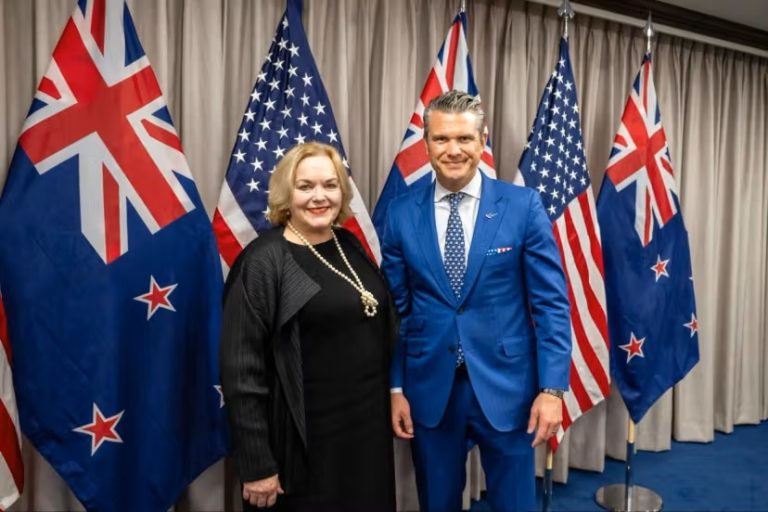
New Zealand’s Defence Minister Judith Collins has warned that Pacific island nations are under growing pressure from global powers competing for control of the region’s rich seabed minerals and fisheries.

Collins, who visited Washington last week, says the Pacific is becoming a “strategic crossroads” for aid, development, influence, resources, and security.

She says the Pacific was becoming a “strategic crossroads”, not just for aid or development, but for influence, resources and security.

“The Pacific has enormous wealth,” she says. “But it’s just not in the hands of the people. I don’t want to see the promises of mineral wealth for those countries being basically raped and pillaged from them.”

The South Pacific seabed holds vast deposits of rare-earth minerals – cobalt, nickel and copper essential to electric vehicles, clean-energy technologies and defence systems.

But with regulations still unclear and mining interests rising, small island states are being courted by larger powers offering investment or infrastructure in exchange for access.

Collins says those pressures risked undermining sovereignty. “We need to ensure they are not exploited,” she told reporters, urging partners like Australia and the United States to help Pacific nations maintain control over their resources.

While she did not single out any country, Collins’ comments come amid intensifying competition between China and Western allies across the region.

Beijing has expanded its reach through fisheries, infrastructure and security deals, while New Zealand and Australia have boosted defence cooperation and aid.

Collins’ remarks mark a subtle but major shift in Wellington’s tone – from viewing the Pacific mainly through a development lens to treating it as a strategic and security priority.

Analysts say the issue now extends beyond economics. Deep sea mining poses environmental and governance challenges that could leave smaller nations exposed.

Some, including Fiji and Vanuatu, back a moratorium on seabed mining; others, like the Cook Islands, are developing national frameworks to proceed under stricter conditions.

Collins has hinted that New Zealand will increase maritime surveillance and regional defence collaboration.

“I also say to the US that you are a Pacific nation,” she adds, calling for shared responsibility in safeguarding the region.

As global demand for critical minerals grows, the battle for the Pacific’s deep-sea resources is moving from abstract policy to pressing reality, testing how island nations can balance prosperity, sovereignty and environmental protection.

French MPs vote to postpone New Caledonia’s elections to June 2026

0

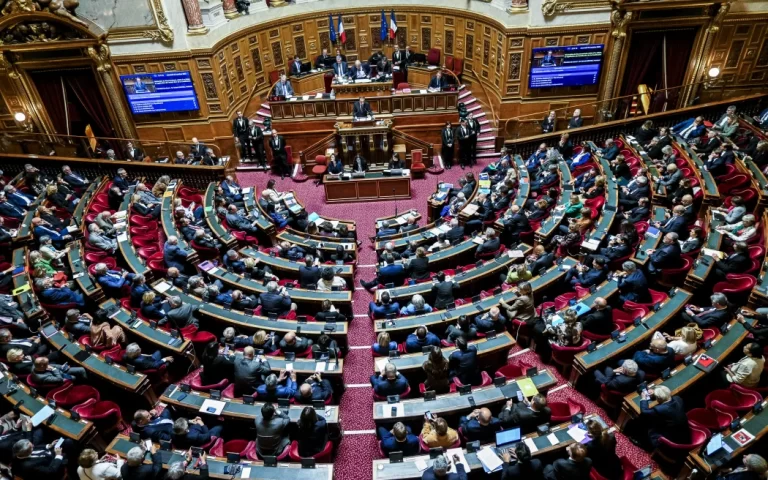
French MPs narrowly endorsed the postponement of New Caledonia’s provincial elections to no later than 28 June 2026 in a crucial vote in Paris on Tuesday.

It comes as newly appointed Overseas Minister Naïma Moutchou prepares to visit the French Pacific territory for more talks on its political future.

The vote took place in the Lower House, the National Assembly, in a climate of division between national parties.

It was a narrow score, with 279 MPs backing the postponement and 247 voting against the “Constitutional organic” Bill.

A final vote on Wednesday (Paris time) in the other chamber, the Senate (Upper House), in a relatively less adverse environment, was regarded as a sheer formality.

After this, the French Constitutional Council is to deliver its ruling on the conformity of the text.

New Caledonia’s provincial elections have already been postponed several times: originally set for May 2024, they had to be delayed due to the insurrectional riots that took place, then further delayed from December 2024 to November 2025.

As part of an emergency parliamentary procedure, a bipartisan committee earlier this week also modified the small text (which contains only three paragraphs), mainly to delete any reference to an agreement project signed in July 2025 in Bougival (near Paris).

The text was supposed to serve as the blueprint for New Caledonia’s future status. It contained plans to make New Caledonia a “State” within France’s realm and to provide a new “nationality”, as well as transferring powers from Paris to Nouméa (including foreign affairs).

The “agreement project” was initially signed by all of New Caledonia’s political parties, but one of the main components of the pro-independence movement, the FLNKS (Kanak and Socialist National Liberation Front) later said it withdrew its negotiators’ signatures.

The FLNKS said this was because the agreement was not in line with its aim of full sovereignty and was merely a “lure of independence”.

The party has since reaffirmed that it did not want to have anything to do with the “Bougival” text.

The bipartisan committee modified the Bill’s title accordingly, introducing, in the new version, “to allow the pursuit of consensual discussions on New Caledonia’s institutional future”.

The modifications to the Bill have been described as a way of allowing discussions and, even though no longer specifically mentioned, to use the Bougival accord as a base for further talks, mainly with the FLNKS.

“This is a political message to the FLNKS, Bill rapporteur Philippe Gosselin (Les Républicains -centre right-) said this week.

One of the FLNKS key representatives at the National Assembly, pro-independence Emmanuel Tjibaou (who also chairs Union Calédonienne party, the main component of FLNKS), however maintained his opposition to the modified text.

The postponement was also said to be designed to “give more time” to possible discussions.

The other National Assembly MP for New Caledonia, pro-France Nicolas Metzdorf, said even though the name of Bougival was eventually removed, “everyone knows we will continue to talk from the basis of Bougival, because these are the most advanced bases in the negotiations”.
Tjibaou said the slight change can be regarded as “an essential detail” and mark “a new sequence” in future political talks.

“We’re still in the negotiating phase.”

However, he maintained his stance against the postponement of the local polls, saying this was a “denial of democracy”.

“The bill was originally designed to postpone provincial elections to allow Bougival’s implementation. Then they remove any mention of Bougival and then they say ‘we vote for the postponement’. What are we talking about? It just doesn’t make sense”, he said.

Tjibaou’s FLNKS has called for a peaceful march on Friday 31 October 2025 to voice its opposition to the postponement of local elections.

Newly-appointed French Minister for Overseas Naïma Moutchou is expected to arrive in New Caledonia on Saturday.

Since she was appointed earlier this month in the second cabinet of Prime Minister Sébastien Lecornu (who was also Minister for Overseas between 2000 and 2022), Moutchou has repeated her door remained open to further talks with FLNKS and that “nothing can be done” without the FLNKS as long as FLNKS “does not want to do things without the (other parties)”.

In New Caledonia, she said she would “meet all of the partners to examine how an agreement can be implemented”.

“My approach will be based on dialogue, consistency and respect. Nothing should be rushed. It’s all about refining and clarifying certain points”.

Under the Bougival text, several key aspects of New Caledonia’s future remain highly sensitive.

This includes a “comprehensive” agreement that would lift restrictions to the list of people entitled to vote at local provincial elections.

Since 2007, until now, under the existing Nouméa Accord (signed in 1998), only people who were born or resided in New Caledonia before 1998 are entitled to cast their votes for the local polls.

Under the Bougival roadmap, the “special” electoral roll would be “unfrozen” to allow French citizens to vote, provided they have resided for 15 (and a later stage 10) uninterrupted years, as well as those who were born in New Caledonia after 1998.

The change would mean the inclusion of about 15,000 “natives” and up to 25,000 long-term residents, according to conservative estimates.

The sensitive subject was regarded as the main trigger for civil unrest that started in May 2024 and caused 14 deaths, over €2 billion (US$2.31 billion) in material damage and a drop of 13.5 percent of New Caledonia’s gross domestic product (GDP).

MP Arthur Delaporte (Socialist party), who backed the modifications on 27 October at the bipartisan committee, assured his party would not support any constitutional reform that would not have been the result of a consensus or could be regarded as a “passage en force2.

The warning is especially meaningful on a backdrop of persistent instability in the French Parliament.

Lecornu is leading his second Cabinet since he was appointed early September 2025 – his first was short-lived and only lasted 14 hours.

He has since narrowly survived two motions of no-confidence.

Stay connected

529FansLike
172FollowersFollow
156SubscribersSubscribe
- Advertisement -