
Pacific countries must strengthen disaster preparedness and work together as a powerful El Niño raises the risk of increased tropical cyclone activity across parts of the region, says SPREP Director General Sefanaia Nawadra.
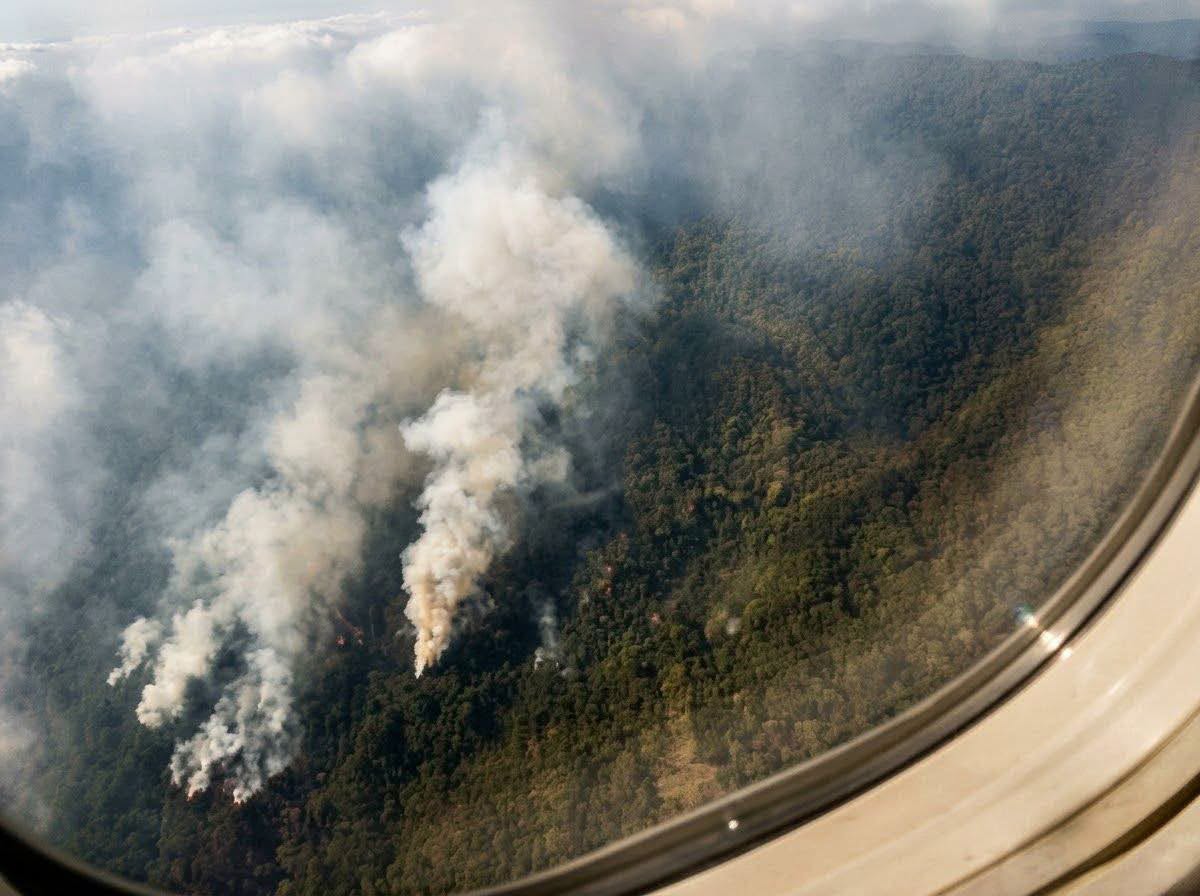
Nawadra says communities are already facing the combined impacts of El Niño and climate change, with drought, water shortages, disease outbreaks and wildfires affecting several Pacific Island countries.
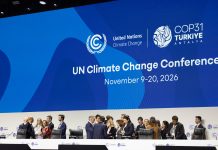
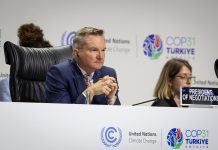
“The message for our communities is simple – we must prepare, adapt and respond now and work together to help and support each other,” Nawadra said in an opinion piece issued during the 31st Conference of the Parties to the UN Framework Convention on Climate Change (COP31) in Antalya, Türkiye.
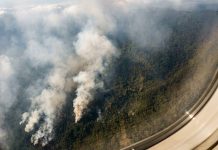
Papua New Guinea is experiencing widespread wildfires and extreme drought, while Solomon Islands is dealing with fish kills and water shortages.
Vanuatu has reported dengue fever and diarrhoea outbreaks, while Tonga has declared a national emergency due to drought.
Nawadra said the start of the Southwest Pacific tropical cyclone season, which coincides with the peak period of the current El Niño, added to the region’s growing climate risks.
The latest regional tropical cyclone outlook, presented at the 19th Pacific Islands Climate and Oceans Forum (PICOF-19) in Port Moresby in October, indicates above-normal cyclone activity is likely in the northern, central and northeastern Pacific.
The strong El Niño is expected to peak between December 2026 and January 2027.
Countries near and east of the International Date Line, including Tonga, Niue, Wallis and Futuna, Samoa, the southern Cook Islands and French Polynesia, are likely to experience higher-than-normal tropical cyclone activity.
Nawadra said the development of out-of-season Tropical Cyclone Wati around the Cook Islands in October was an early indication of the weather patterns associated with El Niño.
He highlighted the experience of the 2026 North Pacific cyclone season, where NASA reported 25 named tropical cyclones by early November.
Typhoon Sinlaku, which struck Saipan and Tinian in April, caused an estimated US$1.5 billion or more in damage, destroying buildings and infrastructure and disrupting essential services across the Commonwealth of the Northern Mariana Islands.
Nawadra said the Pacific was familiar with the devastating consequences of tropical cyclones, which bring destructive winds, heavy rainfall, flooding and storm surges between November and April.
He cited Tropical Cyclone Heta, which struck Niue in 2004, costing NZ$44 million (US$24 million) in recovery efforts, more than twice the size of the country’s economy at the time.
The cyclone left 15 percent of Niue’s population homeless and destroyed the national museum, which held 90 percent of the country’s artefacts.
“A single severe weather event can reverse years of development progress, damage essential services, disrupt food and water supplies, and place additional pressure on already stretched national resources,” he said.
Nawadra said governments must ensure national disaster preparedness plans are updated and operational, with stronger coordination between meteorological services, disaster management offices, health services, agriculture, water and infrastructure agencies.
He also urged families to review emergency plans, identify evacuation routes, secure important documents and prepare emergency supplies before warnings are issued.
He stressed the importance of National Meteorological and Hydrological Services as the most reliable source of official weather forecasts and warnings.
With information spreading rapidly through digital platforms, Nawadra warned communities against relying on or sharing unverified weather reports.
“People must know where to access official information and do not rely on or spread unverified reports. We must all be responsible,” he said.
SPREP is supporting Pacific countries through regional programmes including the Weather Ready Pacific Programme, the Climate and Oceans Support Program in the Pacific (COSPPac), the EU-funded ClimSA programme and the Republic of Korea-Pacific Islands Climate Prediction Services project.
Nawadra said regional agencies, including SPREP, the Pacific Community and the Pacific Islands Forum Secretariat, were also working to establish an El Niño Working Group to coordinate regional assistance.
He said regional cooperation was critical because tropical cyclones did not respect national borders, and countries with limited resources needed support to prepare for and respond to disasters.
“Our most vulnerable communities, in remote islands, outer villages and coastal settlements, must be first in our planning.
“We must use our strength before the hazards arrive, so that our communities are ready, our losses are fewer, and every life that can be saved is saved,” Nawadra said.