

Pacific Island countries are concerned that their calls for a phase-out of fossil fuels are not being heard at COP31, after the latest draft decision removed explicit references to fossil fuels, raising questions about the strength of the summit’s final climate message.
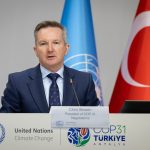
The concerns were put to Australian Climate Change and Energy Minister Chris Bowen at a press conference in Antalya, where he was asked what message COP31 would send if its final cover decision did not specifically mention fossil fuels.
Bowen said the presidency was seeking the most ambitious outcome countries could agree on, while pointing to proposed measures on electrification, renewable energy and climate resilience.
“What we’re doing is finding the most ambitious outcome that consensus will allow,” Bowen said.
He said he had spent considerable time engaging with Small Island Developing States on issues including ocean protection and access to climate finance.
Bowen said the presidency was open to feedback from all countries, including the Alliance of Small Island States (AOSIS), on the proposals in the draft decision.
He argued that implementing previous COP commitments was more important than reopening agreements already reached.
“There’s no better way of implementing what the world previously agreed to do at previous COPs by getting on with the job of confirming the irreversible global transition towards low greenhouse gas emissions and climate resilience to keep 1.5 degrees alive,” he said.
Bowen said electrification, alongside tripling renewable energy capacity, could deliver two-thirds of the action needed to keep the 1.5°C warming limit within reach.
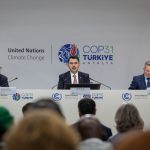
Türkiye’s Environment Minister and COP31 President Murat Kurum said countries should focus on practical measures rather than reopening decisions made at COP28 in Dubai, which included a commitment to transition away from fossil fuels.
“We are not here to rediscuss the decisions that have been taken in the previous COPs in Dubai during COP28,” Kurum said.
He argued that the proposed target for electricity to account for 35 percent of final energy consumption by 2035 would itself support the transition away from fossil fuels.
“The 35 by 35 target on electrification implies transitioning away from fossil fuels,” he said.
Kurum said negotiations should focus on practical action to meet the 1.5°C target while recognising each country’s development needs and sovereignty.
“Our compass is clear: 1.5 Celsius degree. Let’s see whether we can achieve that. We must,” he said.
For Pacific Island countries, the language in the final decision is critical as they face rising sea levels, ocean warming and increasingly severe climate impacts. They have been pressing for stronger global action to reduce emissions and move away from fossil fuels.
The draft decision remains subject to negotiations, with the COP31 presidency seeking consensus among Parties before the final plenary.