
Pacific leaders and regional security officials have begun work on a proposed regional maritime security concept aimed at strengthening cooperation against transnational organised crime and addressing gaps in surveillance and law enforcement across the Blue Pacific.
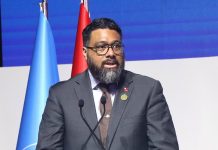
Acting Pacific Islands Forum Secretary General Esala Nayasi says the proposed Waqa Moana Concept must remain Pacific-led, respect national sovereignty and build on existing regional security arrangements rather than create another regional agency or command structure.
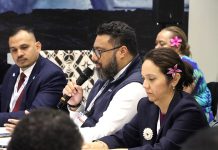
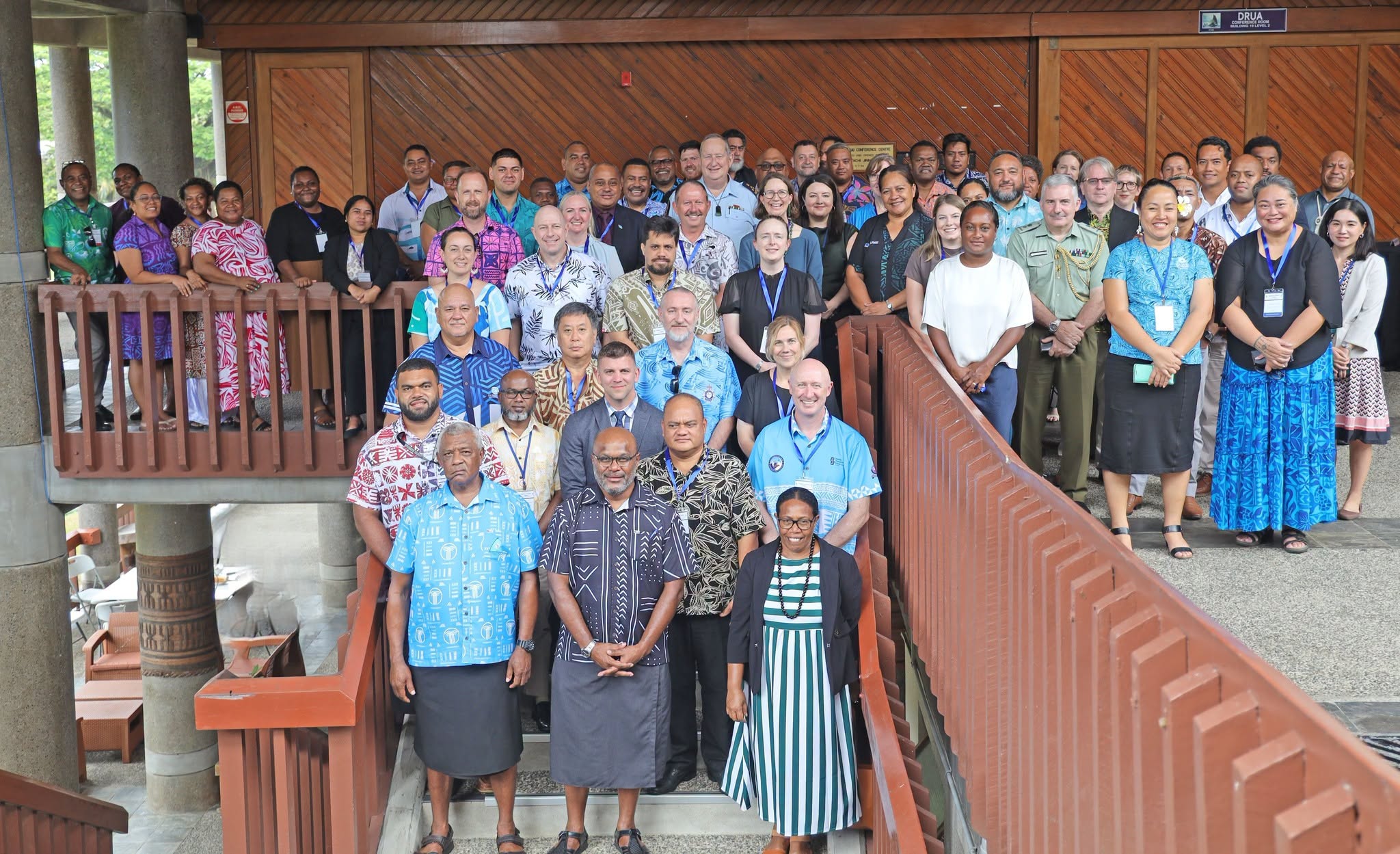
Opening a three-day Regional Workshop on Developing the Waqa Moana Concept at the Pacific Islands Forum Secretariat headquarters in Suva on Monday, Nayasi said no single Pacific country could address the growing maritime security challenges alone.
“Our vast maritime domain is difficult to monitor and is watched over by small, dispersed enforcement agencies, and transnational organised crime exploits that geography and the gaps between our jurisdictions,” he said.
Nayasi said the concept was agreed in principle by Forum Leaders at their 55th meeting in Palau, subject to national coordination and further consultation with member countries.
Leaders also endorsed the Regional Peace and Security Action Plan 2026–2030, which provides the framework for advancing regional security cooperation.
Nayasi said Waqa Moana would support the implementation of the 2050 Strategy for the Blue Pacific Continent, the Boe Declaration and the Ocean of Peace initiative.
He stressed that the concept remained a proposal for Forum members to examine, test and develop, rather than a completed regional security arrangement.
“Waqa Moana is a Concept for Members to test, shape and develop. It is Pacific-led and sovereign-led, builds on existing mechanisms, and is not a new agency, fleet or command structure,” he said.
Nayasi emphasised that participation would remain voluntary, with each Forum member deciding whether, when and how to take part.
He also made clear that the workshop was not a decision-making forum, urging participants to raise concerns about national sovereignty, legal authority and possible overlaps with existing regional mechanisms.
“Those questions are the substance of this work,” he said.
The three-day workshop will examine the regional maritime threat environment, consider possible design options and identify the way forward.
Participants will also undertake four tabletop exercises to test the proposed concept before visiting Fiji’s Vuvale Maritime Essential Services Centre (MESC), which is committed as a regional hub.
Nayasi acknowledged Fiji’s leadership and the support of regional partners, including Australia, New Zealand, France and the United States.
He said international partners had an important supporting role, but decisions on the concept must remain with Pacific Island countries.
“Your role is to support; direction and decisions remain with Members,” he said.
The outcomes of the workshop will inform discussions at the Forum Sub-Committee on Regional Security meeting scheduled for 19 November, followed by further consultations with member countries.
Nayasi said discussions would follow the Pacific approach of talanoa, with openness, respect and a commitment to consensus.