
A historical first report for the Pacific, and the world, a compilation of all the current evidence of climate-induced loss and damage available in the Pacific region has been launched at COP31 in Antalya Türkiye.
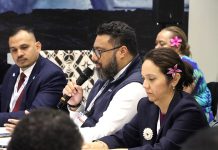
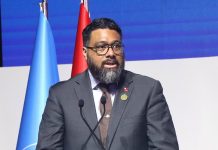
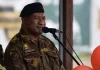
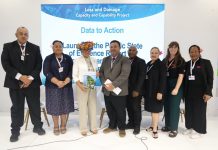
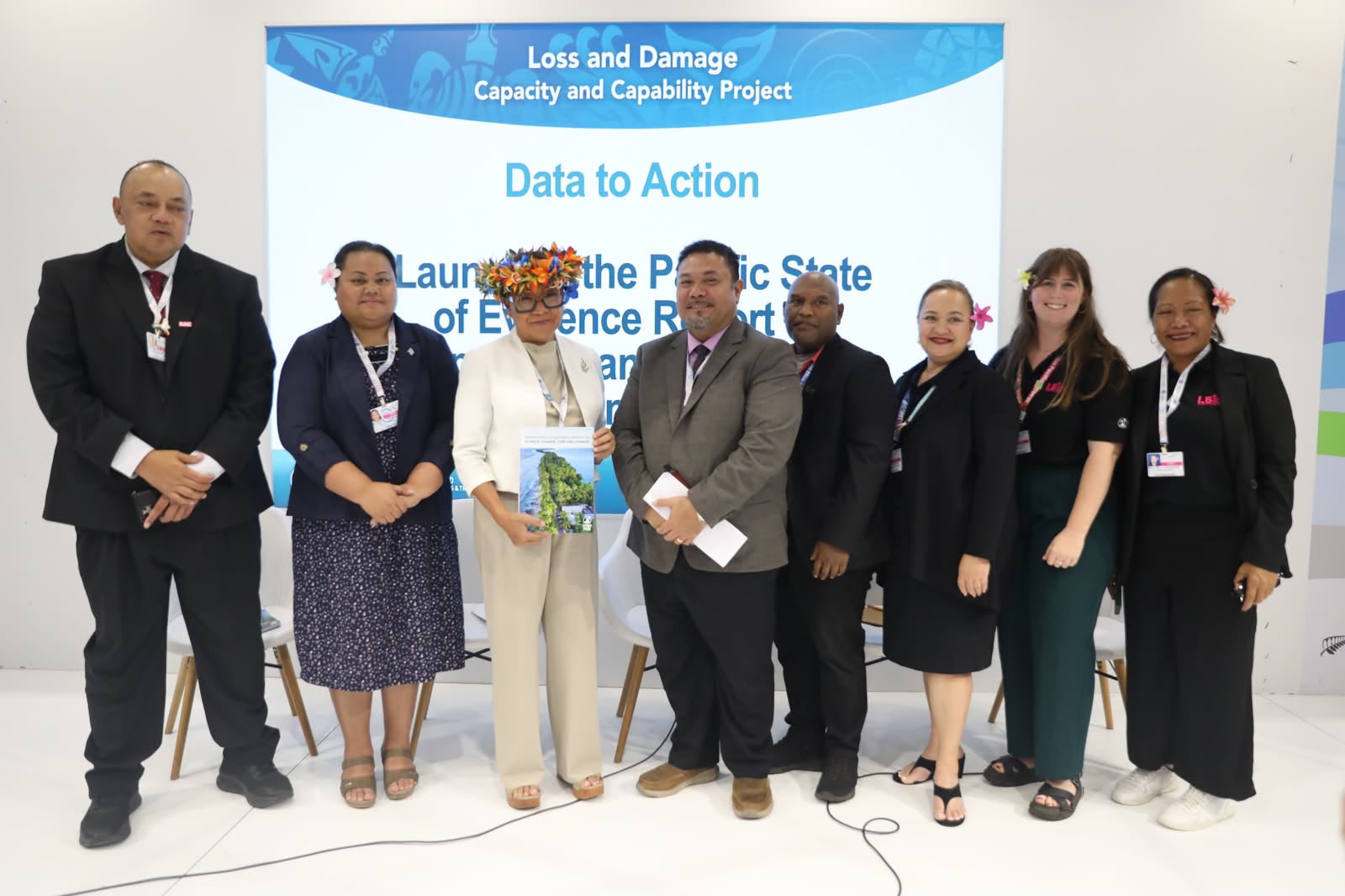
The Pacific Regional State of Evidence Report on Climate Change Loss and Damage Report was launched by Hu’akavameiliku Siaosi Sovaleni, of Tonga and the Pacific Political Champion for Loss and Damage, on Saturday at the Moana Blue Pacific Pavilion.
“This report marks an important milestone as it is the first of its kind, not just for the Pacific region but for the world. Once again showing how the Pacific is a leader in the space of Loss and Damage and climate change overall,” said Hu’akavameiliku.
“This report is a call to action, it is evidence of the lived reality of loss and damage and it is proof of the need for greater climate action.
“It is clear evidence of the need to minimise the magnitude and duration of any overshoot as every fraction of a degree matters to the Pacific Island Countries. Every incremental increased above the 1.5 degree Celsius goal has devastating and cascading impacts on the Pacific.”
Losses and damages are the harms caused by climate change that occur despite adaptation and due to lack of mitigation. The issue of loss and damage is of crucial importance to the Pacific.
“Our people know what it means to live through loss and damage,” said Sione ‘Akau’ola, Chief Executive Officer of Tonga’s Ministry of Meteorology, Energy, Information, Disaster Management, Environment, Climate Change and Communications. “Tonga has faced a wide range of climate change impacts, including severe tropical cyclones.”
Importantly financing and technical assistance to address loss and damage is not a form of charity.
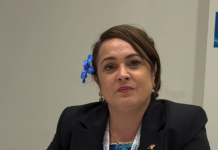
“Loss and damage is fundamentally a matter of climate justice,” said Elina Akinaga, Secretary for Department of Resources and Development, of the Federated States of Micronesia.
“Across our Blue Pacific, we are all aware that our Pacific SIDS are most affected by the impacts of climate change and we contributed the least to global greenhouse gas emissions. Addressing Loss and Damage therefore requires accountability, solidarity and meaningful international cooperation.”
The regional report will bring benefit across the region to national governments in accessing financing, identifying data gaps and priority areas for action. There are National State of Evidence Reports on Climate Change Loss and Damage that are under development across the Pacific.
“Our National Evidence Base helps bring together what has been documented and what communities have reported, providing a stronger foundation for future planning and decision-making,” said Mona Ainu’u, Niue’s Special Envoy and Pacific Political Champion for Oceans.
Similarly Director of Climate Change in the Solomon Islands,Thaddeus Siota, reflected on the development of their national evidence base report.
“It is the country’s first systematic record of loss and damage, covering 63 cases across nine sectors over 40 year. That evidence can be used in negotiations, in policy, and in applications for finance,” he said.
The development of the Pacific State of Evidence Report on Loss and Damage was supported by the Loss and Damage Capability and Capacity (LDCC) Project funded by the Government of New Zealand and implemented by SPREP.