The second week of COP31 in Antalya Türkiye is underway.
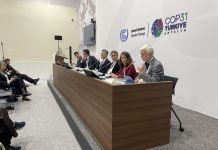
In the different negotiation rooms of the Antalya Expo Centre, Pacific negotiators picked up from where they left off on Saturday, hoping to secure the best possible outcomes for their countries and Pacific communities.
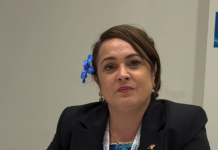
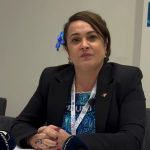
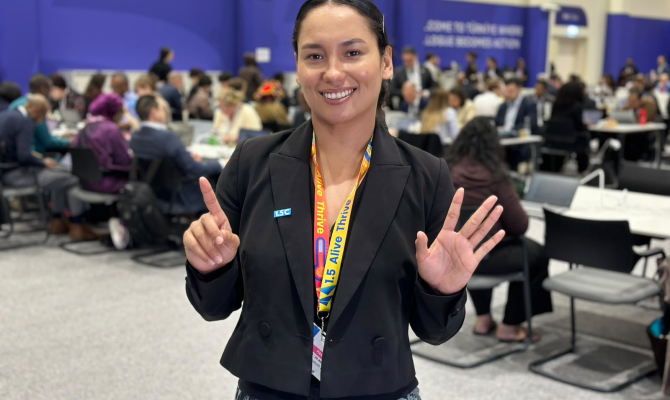
We catch up with the Pacific Small Island States (PSIDS) Coordinator for Transparency, Terito Story, from the Cook Islands, on the progress of their work.
“Negotiations have progressed well and in the direction that Pacific parties have been pushing,” she said.
In the context of climate change, transparency includes the reporting and review of relevant climate information and data. Transparency arrangements under the UNFCCC enable the availability of regular data on countries’ GHG emissions, policies and measures, progress towards targets, climate change impacts and adaptation, levels of support and capacity-building needs.
By providing clear and robust data and information on climate action, transparency also serves to build trust, credibility and accountability among all those involved.
At the start of Week 2 of COP31 in Antalya, Ms Story provides us with an update from the Transparency track:
QUESTION: Can you tell us what the key asks are from the Pacific at COP31?
ANSWER: The Pacific is fully aligned with the priorities of the wider AOSIS group, which include ensuring sustained technical and financial support for implementing the Enhanced Transparency Framework (ETF) is provided to developing countries and the continuation of the multiyear workplan.
The support should include ensuring continued in strengthening national Measurement, Reporting, and Verification (MRV) systems, data management tools, institutional arrangements, and technical capacity to meet reporting requirements under the Paris Agreement.
Additionally, the Pacific supports enhancing the multi-year workplan established at CMA 6 to ensure the timely delivery of financial and technical support to developing countries, particularly SIDS and LDCs. Effective implementation of this workplan will be critical in helping Parties build experience under the ETF and will provide an important foundation for the anticipated review and revision of the Modalities, Procedures and Guidelines (MPGs) in 2028.
QUESTION: How have negotiations progressed/or lack of in Antalya?
ANSWER: Negotiations have progressed well and in the direction that Pacific parties have been pushing. The special circumstances and capacity challenges faced by SIDS and LDCs have been recognised under the SBI agenda item on support for ETF implementation and the agenda item relating to the Consultative Group of Experts (CGE).
A particularly positive development is the recognition that the delivery of support must be responsive to the needs of countries with limited capacity.
In this regard, the CGE’s proposed workplan for 2027 includes a commitment to give particular attention to the capacity-building and technical support needs of SIDS and LDCs. While some issues remain under discussion, the overall trajectory of the negotiations has been constructive, and Pacific priorities continue to be reflected.
QUESTION: How do you see negotiations playing out in the remaining days of COP31. And what will it take for a positive outcome in as far as the Pacific is concerned?
ANSWER: From a Pacific perspective, we have already achieved a positive outcome under the SB sessions, where Parties have negotiated and come to agreement on the support agenda items under both the Convention and the Paris Agreement. In the second week, SIDS will work to secure a similarly strong outcome under the CMA and ensuring that the progress made in Antalya is reflected in the final decisions adopted at COP31.
In order to successfully transition toward the ETF, support must be provided to strengthen our national reporting systems and ensure no one is left behind. A positive outcome for the Pacific at this COP would be one that delivers enhanced technical and financial support, recognises the unique challenges faced by SIDS and LDCs, and strengthens the mechanisms needed to help developing countries effectively implement the ETF.
The 31st Conference of the Parties (COP31) to the UN Framework Convention on Climate Change (UNFCCC) is taking place from 9-20 November 2026 in Antalya, Türkiye.
The Pacific Islands Parties to the UNFCCC are Cook Islands, Federated States of Micronesia, Fiji, Kiribati, Republic of Marshall Islands, Republic of Naoero, Niue, Palau, Papua New Guinea, Samoa, Solomon Islands, Tonga, Tuvalu and Vanuatu.
For further information on the Pacific at COP31 please visit: www.sprep.org/cop31