

Multilateral Development Banks (MDBs) provided US$103 billion in climate finance to low- and middle-income countries in 2025 and mobilised a further US$35 billion in private climate investment, as they pledged to accelerate support for countries turning climate commitments into action.
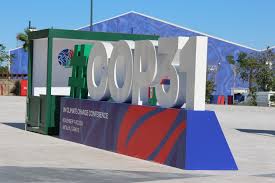
In a joint statement at COP31 in Antalya, Türkiye, the banks said their priority was to deliver practical climate-smart development outcomes, including stronger resilience, low-carbon economic growth, job creation and improved access to essential services.
The MDBs welcomed the COP31 Climate Action Agenda and its focus on implementation, saying they would work with the Turkish COP31 Presidency, Australia’s President of Negotiations and other partners to help countries translate their Nationally Determined Contributions (NDCs) and development priorities into funded projects.
They said their support combined financing, technical knowledge, policy advice and capacity building to help governments and private sector clients deliver climate action.
The banks also welcomed COP31 priorities covering electrification, green industrialisation, adaptation and resilience, as well as improved access to climate finance.
They said their investments were increasingly focused on development outcomes, including protecting vulnerable communities, strengthening food security, expanding access to energy, health and education, and providing affordable climate-resilient infrastructure and essential services.
The US$103 billion in climate finance provided to low- and middle-income economies in 2025 included US$35 billion for adaptation, alongside US$35 billion in additional private climate finance mobilised.
The MDBs said their climate finance delivery had increased by 21 percent from the previous year, bringing them closer to their collective 2030 targets announced at COP29.
Those targets include providing US$120 billion annually in climate finance to low- and middle-income countries and mobilising an additional US$65 billion in private capital.
The banks said stronger coordination was essential to maximise the impact of their financing and attract sustainable private investment.
One example is the Joint MDB Long-Term Strategies Program, which is moving into implementation in more than 30 countries.
Under the programme, multiple development banks are working together in several countries to translate national climate strategies into investment plans and financing opportunities.
The MDBs are also developing common approaches to track climate finance, measure climate-smart development outcomes and improve cooperation on jointly financed projects.
They said closer coordination was particularly important for Small Island Developing States and fragile and conflict-affected countries, where access to finance and technical support remained critical to delivering climate-resilient development.
The banks also highlighted the need to increase collaboration with multilateral climate funds to make better use of concessional financing for vulnerable countries.
Looking ahead, they identified adaptation, resilience and disaster preparedness as growing priorities for climate investment.
The MDB Partnership for Adaptation and Resilience Investment, being presented at COP31, aims to strengthen engagement with countries, increase development bank investment in adaptation and mobilise additional public and private financing.
The banks said they would continue working with governments, the private sector and international partners to accelerate climate-smart development and turn national climate commitments into tangible results for communities and economies.