
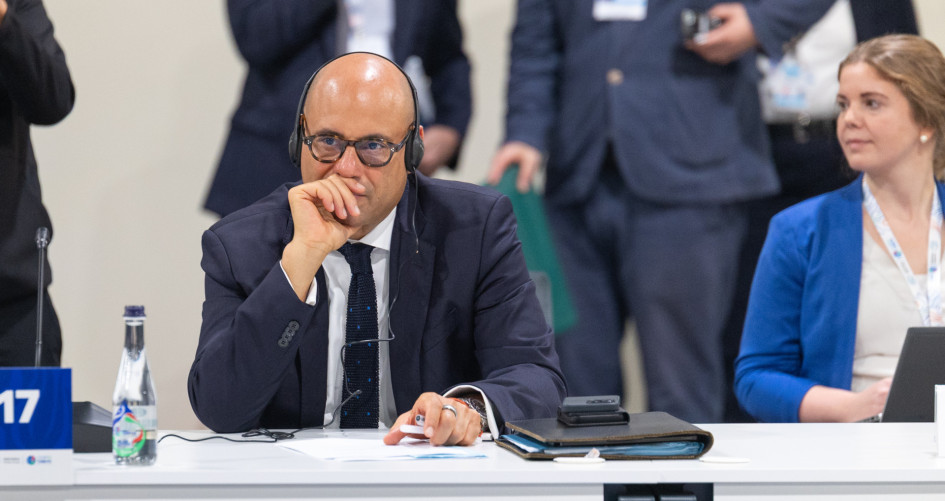
UN Climate Change Executive Secretary Simon Stiell has urged countries to accelerate cuts in methane and other powerful greenhouse gases, warning that tackling these emissions is one of the fastest and most cost-effective ways to slow global warming and reduce economic and health impacts.
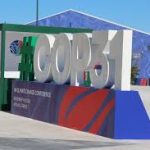
Speaking at the Leaders-Level Non-CO₂ Greenhouse Gases Summit at COP31 in Antalya, Türkiye, Stiell said methane reductions could deliver rapid climate benefits while improving public health, agricultural production and economic efficiency.
“In a world of suffocating disasters, action on methane offers breathing space,” Stiell said.
He said methane was among the fastest, cheapest and most effective ways to limit near-term temperature rises, but stressed that reductions must be accompanied by rapid cuts in carbon dioxide emissions to prevent further global warming.
“For small island states like mine, methane reduction buys us time,” he said.
Stiell warned that climate-driven disasters were already destroying lives and livelihoods and contributing to rising costs, with impacts expected to worsen as temperatures increase.
He said existing technologies could eliminate about 70 percent of methane emissions from the oil and gas sector, much of it at low or no net cost.
In the solid waste sector, he said, 75 percent of methane reductions could generate financial savings, with the value of captured gas potentially exceeding the cost of investment.
The economic benefits were also significant, with research by the United Nations Environment Programme (UNEP) and the Climate and Clean Air Coalition finding that every dollar invested in key super-pollutant solutions delivered US$15 in economic gains.
“The business case is absolutely clear,” Stiell said.
He highlighted the scale of wasted energy in the oil and gas industry, saying about 167 billion cubic metres of gas were flared annually, representing an estimated US$54 billion in lost energy value.
“And that’s money going up in smoke,” he said.
Stiell said more than 90 percent of countries, representing around three-quarters of global methane emissions, had included measures to reduce methane in their latest Nationally Determined Contributions (NDCs).
However, he said the priority now was to translate those commitments into concrete action.
He said COP31 could help countries implement practical solutions and build momentum through initiatives, including the COP Presidency’s targets on methane and waste.
Stiell also highlighted the Super Pollutant Country Action Accelerator as an initiative providing countries with support to reduce emissions.
He called on governments to make methane and other super-pollutants a priority in national climate plans, introduce policies targeting key sectors and encourage industries to invest in available technologies.
He urged countries to increase public and private financing, particularly through development banks and climate funds.
Stiell said only 0.5 percent of climate finance allocated for emissions reductions in 2023 went towards tackling super-pollutants.
He also called for greater investment in national institutions, technical capacity and project development, and encouraged countries to use the Paris Agreement Crediting Mechanism, the UN’s new carbon market.
One of its early focus areas is landfill methane, with the mechanism designed to reward projects that capture the gas and put it to productive use.
Stiell said reducing super-pollutants offered significant opportunities for climate action, economic development and human health.
“Super pollutants are a supersize opportunity. And it’s low hanging
“For the climate, for economies, and for human health,” he said.