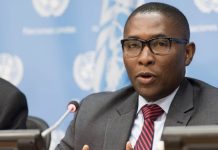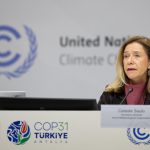
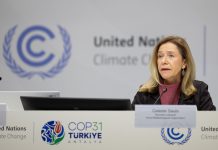

The climate crisis has become a global health emergency of pandemic proportions, with extreme heat, pollution and climate disasters threatening lives and overwhelming health systems, UN Climate Change Executive Secretary Simon Stiell says.
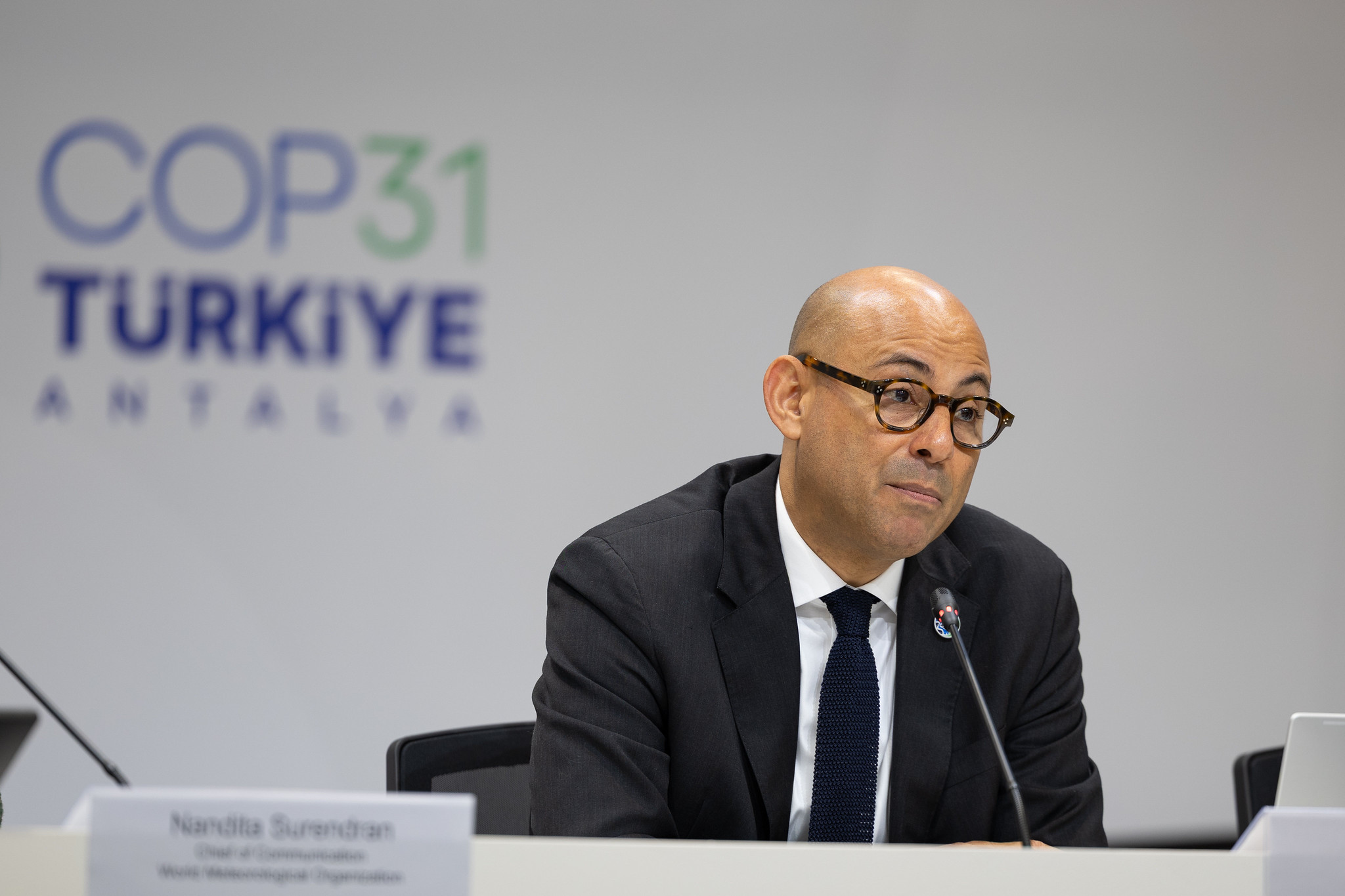
Speaking at a press conference hosted by the World Meteorological Organisation (WMO) at COP31 in Antalya, Türkiye, Stiell said the latest climate data showed the world was getting dangerously hot, with hundreds of millions of people exposed to extreme heat across southern Asia.
He said heatwaves during the northern hemisphere summer had broken temperature records and were estimated to have killed 50,000 people across Europe.
“For too many people, climate change is deadly,” Stiell said.
He warned that a super El Niño was intensifying climate impacts, creating what he described as a “deadly double-blow” for communities already exposed to rising temperatures and climate-related disasters.
“The climate crisis is now a global health crisis of pandemic proportions. From toxic pollution to extreme heat, and climate disasters slamming through health systems and infrastructure,” he said.
Stiell also highlighted the growing health risks facing pregnant women, newborns and mothers as temperatures continue to rise.
He said the impacts of extreme heat on pregnancy and maternal and newborn health represented another unfolding health disaster linked to climate change.
“The root cause is humanity still burning colossal amounts of coal, oil and gas, and destroying forests,” he said.
Stiell thanked Wellcome, the World Health Organisation (WHO) and other organisations for raising awareness of the health consequences of climate change, including new findings from a survey of 1,000 maternal health professionals.
He said health would remain central to COP31 under the guidance of Türkiye and Australia, building on progress made at COP30 in Belém, Brazil.
This includes work through the Climate and Health Funders Coalition, which has already awarded more than US$200 million, with additional funding announced at the conference.
Stiell said practical solutions to the climate and health crisis were available through the COP31 Action Agenda, particularly electrification and the transition to clean energy.
He challenged governments to make a clear choice between accelerating the shift away from fossil fuels or continuing to expose households, businesses and governments to rising energy costs and climate-related health pressures.
“At this COP, nations face a choice: electric or shock. Rewire the global economy for the electric age. Or accept ongoing fossil fuel cost pain for families, firms, and governments, and of course that includes health systems,” he said.
Stiell said efficient electric technologies and clean energy were essential to reducing planet-heating pollution while easing pressure on household budgets amid continuing fossil fuel price volatility.
He said COP31 provided an opportunity for countries to advance practical measures through the negotiations and the wider climate action agenda.
“We have a real opportunity in Antalya to move our agendas forward. So it’s going to be an interesting two weeks. Please stay engaged,” he said.